

The transportation industry has transformed dramatically in recent years. Taxi Booking App solutions have revolutionized how people hail rides. These apps provide convenience for passengers and better earnings for drivers.
Developing a successful Taxi Booking App requires careful planning and execution. This guide covers market insights, essential features, development steps, and cost considerations. Whether you’re a startup or established business, these insights will help you build a competitive ride-hailing platform.
Partnering with experienced developers like Progressive Robot ensures high-quality results. Their expertise can help turn your vision into a feature-rich Taxi Booking App that stands out in the crowded market.
Taxi Apps Market Overview

The ride-hailing market continues expanding globally. Major players like Uber and Lyft dominate but opportunities remain. Niche markets and specific regions still need customised solutions.
Recent reports value the ride-hailing industry at over $60 billion. Annual growth exceeds 19% as more users prefer app-based bookings. Urbanization and smartphone penetration drive this expansion.
Traditional taxi services struggle to compete with app-based models. Customers prefer transparent pricing and cashless payments. Real-time tracking and instant service attract modern users.
Emerging markets show particularly strong growth potential. Localized Taxi Booking App solutions often outperform global giants. Understanding regional preferences is key to success.
The market welcomes innovative approaches to ride-hailing. Electric vehicle fleets, luxury options, and eco-friendly services gain traction. Unique value propositions help new entrants compete effectively.
Basic Features of a Taxi App
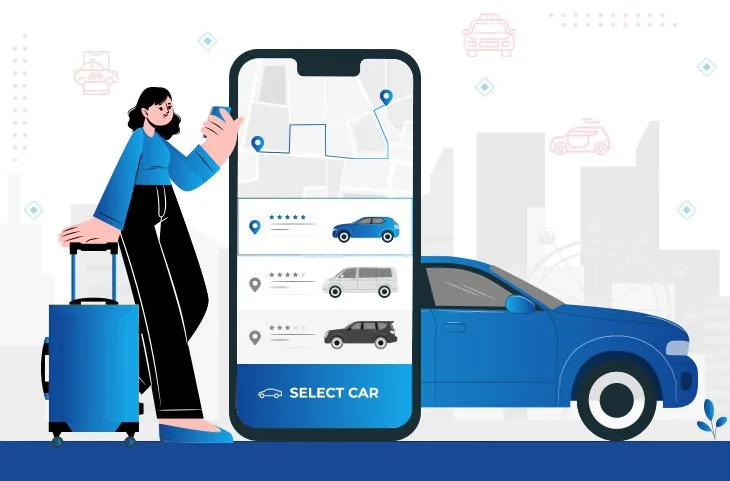
Every successful Taxi Booking App needs core functionalities. These features form the foundation of user experience. They ensure smooth operations for both passengers and drivers.
User Registration and Profiles
Simple sign-up processes improve conversion rates. Email and social media logins reduce friction. Phone number verification adds security while preventing fake accounts.
User profiles store essential information securely. Ride history and payment methods should be easily accessible. Driver profiles display ratings and vehicle details for passenger reassurance.
Ride Booking Interface
An intuitive interface makes booking effortless. Location auto-suggestions improve address accuracy. Map integration helps users pinpoint exact pickup spots visually.
Vehicle type selection should be straightforward. Fare estimates before booking build trust. Scheduled rides cater to users planning ahead.
Real-time Tracking
GPS tracking provides arrival time estimates. Passengers appreciate seeing their driver approach. Live location sharing enhances safety for all parties.
Route visualization prevents misunderstandings. Traffic-aware tracking adjusts ETAs dynamically. This feature reduces unnecessary calls between users and drivers.
Payment Integration
Multiple payment options accommodate different preferences. Credit cards, digital wallets, and mobile payments should be supported. In-app wallets enable faster repeat bookings.
Receipt generation happens automatically. Fare splitting simplifies group payments. Payment history helps users track transportation expenses.
Ratings and Reviews
Two-way rating systems maintain service quality. Passengers rate drivers based on their experience. Drivers can also rate passengers to flag problematic users.
Comment sections provide detailed feedback. Rating filters help identify top-performing drivers. This system encourages professional behaviour from all parties.
Push Notifications
Instant updates keep users informed. Booking confirmations provide reassurance. Driver arrival alerts help passengers time their exit.
Promotional offers can boost engagement. Ride completion receipts deliver automatically. System notifications inform about service updates or disruptions.
Advanced Features of a Taxi App

Standout Taxi Booking App solutions offer more than basics. Advanced functionalities create competitive advantages. They enhance safety, convenience, and user satisfaction.
Split Fare
Group travel becomes simpler with fare splitting. The app calculates individual shares automatically. Each passenger pays their portion directly.
This feature eliminates awkward money exchanges. Business colleagues or friends can travel together conveniently. Receipts show breakdowns for expense reporting.
Predictive Analytics
Smart algorithms forecast demand patterns. The system prepositions drivers near anticipated hotspots. Dynamic pricing adjusts smoothly to demand fluctuations.
Historical data improves prediction accuracy. Special events and weather changes factor into forecasts. Drivers earn more while passengers find rides faster.
Augmented Reality Navigation
AR simplifies meetups in crowded areas. Virtual markers identify exact pickup locations. Drivers spot waiting passengers more easily.
This technology helps in unfamiliar neighborhoods. Large venues like airports benefit particularly. AR directions overlay real-world views helpfully.
Voice Commands
Hands-free operation improves safety. Drivers can accept jobs without touching screens. Passengers book rides using natural language.
Voice interfaces assist visually impaired users. Multilingual support broadens accessibility. Conversational AI makes interactions more intuitive.
Steps to Creating a Taxi App
Building a Taxi Booking App follows a structured process. Each phase contributes to the final product’s success. Proper planning prevents costly mistakes and delays.
Market Research and Analysis
Study local transportation needs thoroughly. Identify gaps in existing services. Analyse competitor strengths and weaknesses.
Understand regional regulations affecting ride-hailing. Survey potential users about desired features. This research informs your unique value proposition.
Define App Features and Functionalities
Prioritise features based on market needs. Create user stories for all functionalities. Balance must-have features with budget constraints.
Plan phased rollouts of advanced features. Document technical requirements clearly. This blueprint guides the development team effectively.
Choose a Development Platform
Native apps deliver best performance but cost more. Cross-platform solutions reduce development time. Progressive web apps offer interim alternatives.
Consider your target audience’s device preferences. Factor in long-term maintenance requirements. The right choice balances quality and budget.
Select Tech Stack
Backend technologies must handle heavy loads. Reliable databases store user and trip data securely. Mapping APIs provide accurate location services.
Payment gateways require rigorous security. Push notification services keep users engaged. Choose scalable solutions accommodating future growth.
Design User Interface and User Experience
Clean interfaces prevent user frustration. Consistent design language builds trust. Accessible color schemes and fonts improve readability.
User flows should minimise steps to book. Driver interfaces need optimised information display. Prototyping identifies usability issues early.
Development
Frontend development implements the visual design. Backend coding handles business logic and data. API integrations connect various services seamlessly.
Agile methodologies allow flexible adjustments. Regular code reviews maintain quality standards. Version control tracks all changes systematically.
Testing
Functional testing verifies all features work. Performance testing checks load handling capacity. Security testing identifies vulnerability points.
Usability testing gathers real user feedback. Device compatibility testing ensures broad accessibility. Rigorous testing prevents post-launch issues.
Deployment
App store submissions require careful preparation. Developer accounts must be established beforehand. Store listings need compelling descriptions and visuals.
Launch timing should consider market factors. Soft launches help detect last-minute issues. Phased regional rollouts allow controlled scaling.
Marketing
Pre-launch buzz generates early interest. Social media campaigns reach potential users. Influencer partnerships can boost credibility.
Promotional discounts encourage first-time usage. Referral programs leverage word-of-mouth. Ongoing marketing maintains visibility.
Post-Launch Optimisation
User feedback guides improvements. Analytics reveal usage patterns and pain points. Regular updates add features and fix bugs.
Driver incentive programs maintain fleet availability. Seasonal promotions address demand fluctuations. Continuous improvement keeps the app competitive.
Cost Considerations in Taxi Mobile App Development
Building a Taxi Booking App involves various expenses. Understanding cost factors helps realistic budgeting. Strategic allocations maximise return on investment.
Development team costs vary by location and expertise. UI/UX design requires significant investment. Backend infrastructure needs careful planning.
Third-party service integrations add expenses. Mapping APIs and payment gateways have usage fees. SMS and notification services incur ongoing costs.
Security implementations are non-negotiable. Compliance with regional regulations may require legal consultations. Insurance protects against unforeseen liabilities.
Marketing budgets determine user acquisition success. Customer support systems need funding. Maintenance costs continue post-launch.
Timeline for Taxi Mobile App Development
A typical Taxi Booking App takes 6-9 months to develop. Complex features extend this timeline. Efficient project management accelerates delivery.
Market research consumes 1-2 weeks initially. Design phases typically take 4-6 weeks. Development requires 12-20 weeks for robust solutions.
Testing demands 4-6 weeks for thorough coverage. App store approvals add 1-2 weeks. Post-launch optimisations continue indefinitely.
Parallel task execution can compress schedules. Experienced teams work more efficiently. Clear requirements prevent rework delays.
Conclusion

Creating a successful Taxi Booking App requires comprehensive planning. Market research identifies opportunities. Core features ensure reliable service. Advanced functionalities provide competitive edges.
The development process demands technical expertise. Cost control maintains financial viability. Strategic marketing drives user adoption. Continuous improvement sustains growth.
Progressive Robot specializes in ride-hailing app development. Their team delivers customised Taxi Booking App solutions. Contact them today to discuss your project requirements.










