
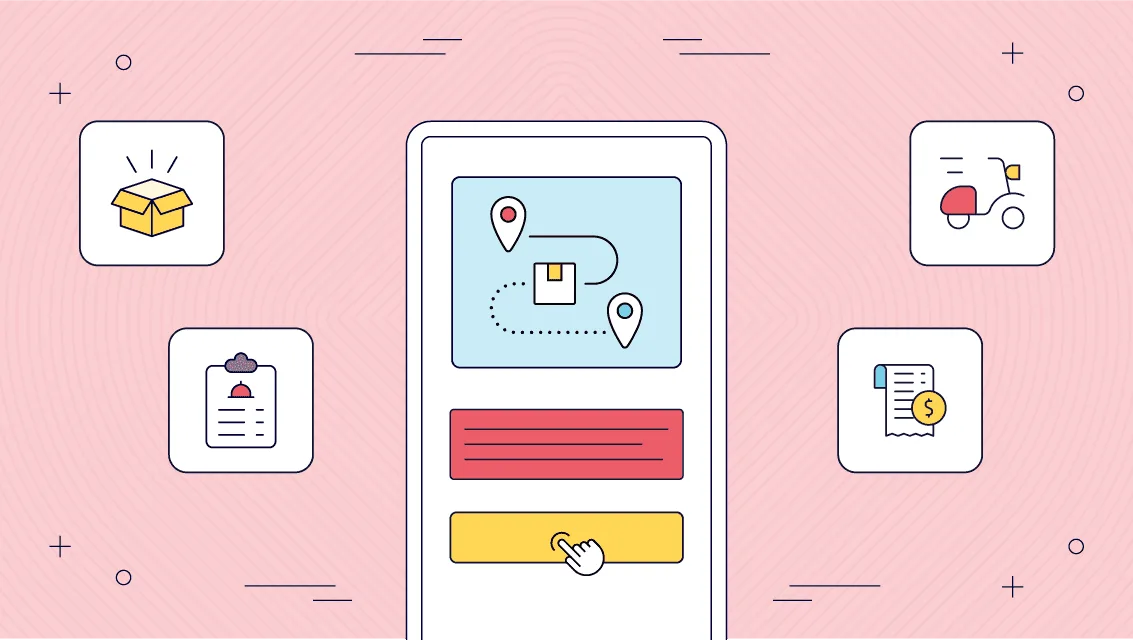
The delivery app market continues growing rapidly as consumers demand faster, more convenient services. To develop a delivery app successfully requires careful planning and execution. This guide walks through every critical step from concept to launch and beyond.
You’ll learn about different delivery app types, must-have features, and technical considerations. We’ll also explore how to create an app that stands out in this competitive market. Follow this roadmap to build a delivery solution that delights users and drives business growth.
Understanding Delivery Apps

Delivery apps connect businesses with customers through mobile technology. They simplify ordering and tracking for various goods and services. These platforms benefit retailers, restaurants, and service providers alike.
Modern delivery apps do more than facilitate transactions. They provide real-time updates, payment processing, and customer support. The best apps create seamless experiences from order to delivery.
Consumer expectations continue rising for delivery services. Users want speed, transparency, and reliability. Meeting these demands requires robust technology and smart design.
Types of Delivery Apps

Different delivery apps serve specific market needs. Choosing your niche is the first step to develop a delivery app successfully.
Food Delivery Apps
Food delivery platforms connect restaurants with hungry customers. They feature menus, order tracking, and driver coordination. These apps often include ratings and recommendations.
Parcel Delivery Apps
Parcel services enable businesses and individuals to send packages. Features include pickup scheduling, rate comparisons, and shipment tracking. Some specialise in same-day or express deliveries.
Grocery Delivery Apps
Grocery apps let users shop from local stores digitally. They manage inventories, substitutions, and delivery windows. Many integrate with loyalty programs and coupons.
Pharmacy Delivery Apps
Healthcare apps deliver medications and medical supplies. They prioritise security and verification processes. Some connect with insurance providers for seamless billing.
Flower and Gift Delivery Apps
These specialty apps focus on occasion-based deliveries. They offer gift wrapping, personalised notes, and scheduled deliveries. Seasonal demand drives much of their business.
Benefits of Developing a Delivery App

Building a delivery app offers significant advantages for businesses and customers. These benefits explain the market’s rapid growth.
Expanded Customer Reach
Apps remove geographic limitations for businesses. Customers can order from anywhere at any time. This accessibility drives higher sales volumes.
Improved Operational Efficiency
Delivery apps optimise routing and logistics automatically. They reduce manual coordination errors. Businesses save time and resources through automation.
Enhanced Customer Experience
Convenient ordering and tracking improve satisfaction. Push notifications keep users informed. Loyalty programs encourage repeat business.
Valuable Data Insights
Apps generate rich customer behaviour data. Businesses learn popular items and peak times. These insights inform better inventory and staffing decisions.
Competitive Advantage
Having an app differentiates businesses in crowded markets. Customers prefer providers with seamless digital experiences. Apps build brand recognition and trust.
Key Steps to Develop a Delivery App
Creating a successful delivery app requires following a structured process. These steps ensure you build a high-quality solution.
1. Define Your App’s Purpose
Start by identifying your target market and unique value. Research competitors to find gaps in the market. Document core features and user flows.
2. Choose the Right Technology
Select development platforms (iOS, Android, or cross-platform). Pick backend systems that can scale with growth. Consider third-party APIs for maps, payments, and notifications.
3. Design the User Experience
Create intuitive interfaces for ordering and tracking. Ensure critical functions are easily accessible. Test designs with real users early and often.
4. Build Core Features
Develop the ordering system and admin dashboard first. Add real-time tracking and payment processing next. Implement customer support tools last.
5. Implement Robust Security
Encrypt all sensitive user and payment data. Use secure authentication methods. Conduct penetration testing to find vulnerabilities.
6. Thoroughly Test the App
Check all features under various conditions. Verify performance on different devices and networks. Fix any bugs before launch.
7. Plan the Launch Strategy
Build anticipation through marketing campaigns. Train support teams for launch inquiries. Monitor performance closely after release.
8. Gather User Feedback
Collect and analyse customer suggestions. Identify common pain points and requests. Prioritise updates based on user needs.
Essential Features for Delivery Apps

Successful delivery apps share several core components. These features create complete user experiences.
User Registration and Profiles
Allow sign-up via email, phone, or social media. Store order history and favourite items. Enable quick reordering for frequent customers.
Product Catalogue and Search
Display items with high-quality images and descriptions. Implement filters for categories, prices, and dietary needs. Enable keyword search with suggestions.
Shopping Cart and Checkout
Show item summaries with modification options. Display delivery fees and estimated times. Save carts for later completion.
Real-Time Order Tracking
Provide live driver locations on a map. Send push notifications at key milestones. Allow customer-driver messaging.
Multiple Payment Options
Accept credit cards, digital wallets, and cash. Store payment methods securely. Issue digital receipts automatically.
Rating and Review System
Let customers rate products and delivery experiences. Display average ratings prominently. Enable photo reviews for verification.
Customer Support
Offer in-app chat with quick responses. Provide FAQs for common issues. Include callback options for urgent matters.
Technical Considerations
Building a reliable delivery app requires addressing several technical challenges.
GPS and Mapping Integration
Accurate location services are essential. Choose mapping APIs with turn-by-turn navigation. Optimise routes for traffic and road conditions.
Offline Functionality
Ensure basic features work without internet. Sync data when connectivity returns. Store critical information locally.
Scalable Backend Infrastructure
Design systems to handle peak order volumes. Use cloud services for flexible scaling. Implement load balancing for consistent performance.
Cross-Platform Compatibility
Maintain consistent experiences across devices. Account for different screen sizes and OS versions. Test thoroughly on various hardware.
Monetization Strategies
Delivery apps generate revenue through multiple streams. Consider these approaches for your business model.
Commission Fees
Charge businesses a percentage of each order. Typical rates range from 15-30%. Higher volumes can justify lower percentages.
Delivery Fees
Set fees based on distance or order value. Offer free delivery thresholds to encourage larger orders. Implement surge pricing during peak demand.
Subscription Plans
Provide premium memberships with benefits. Offer free deliveries or exclusive deals. Monthly or annual plans create predictable revenue.
In-App Advertising
Display relevant ads from local businesses. Ensure ads don’t disrupt user experience. Offer targeted placements based on order history.
Data Insights
Anonymize and aggregate customer data. Sell trends and analytics to suppliers. Always maintain strict privacy standards.
Marketing Your Delivery App
Effective promotion drives app adoption and usage. These strategies help attract and retain customers.
App Store Optimisation
Use relevant keywords in your title and description. Include high-quality screenshots and demo videos. Encourage positive reviews from early users.
Local Partnerships
Collaborate with popular local businesses. Offer exclusive deals through your app. Cross-promote with partner marketing channels.
Referral Programs
Reward users for inviting friends. Offer credits for both referrer and referee. Make sharing easy through messaging and social media.
Social Media Campaigns
Showcase your app’s unique features. Share customer testimonials and success stories. Run contests to increase engagement.
Performance Marketing
Invest in targeted digital advertising. Use lookalike audiences to reach similar customers. Track conversions to optimise ad spend.
Future Trends in Delivery Apps
The delivery app landscape continues evolving. These innovations will shape future development.
Drone and Robot Deliveries
Autonomous delivery methods will expand. Drones handle lightweight urgent deliveries. Sidewalk robots serve dense urban areas.
AI-Powered Personalisation
Machine learning will predict customer preferences. Apps will suggest items based on past orders. Dynamic pricing will optimise margins.
Augmented Reality Shopping
AR will let users visualize products at home. Virtual try-ons for clothing and furniture. Interactive product demonstrations.
Blockchain for Transparency
Distributed ledgers will track supply chains. Customers verify product origins and authenticity. Smart contracts automate payments.
Voice Commerce Integration
Voice assistants will process delivery orders. Hands-free reordering for frequent items. Natural language processing improves accuracy.
Conclusion

To develop a delivery app successfully requires understanding market needs and technical requirements. Focus on creating exceptional user experiences while building scalable infrastructure.
Start with core features that solve immediate customer problems. Expand functionality based on real user feedback. Continuous improvement keeps your app competitive.
The delivery market offers significant opportunities for innovative solutions. With proper planning and execution, your app can capture meaningful market share.
Progressive Robot specializes in delivery app development. Our team builds customised solutions tailored to your business needs. Contact us today to discuss your delivery app project.










