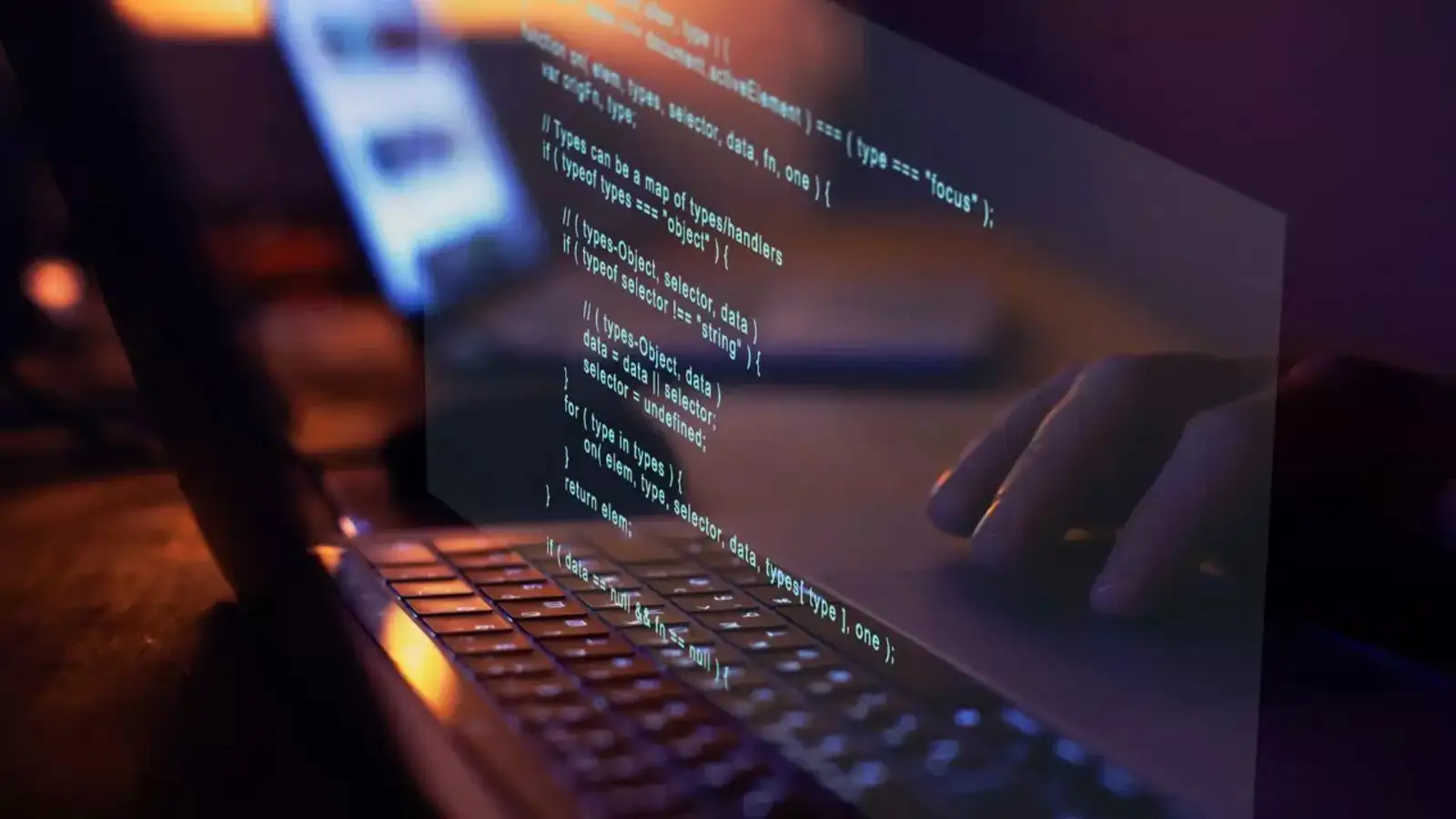
Vibe coding has become one of the most discussed concepts in the software development community, emerging across LinkedIn, TikTok, Twitter, and internal Slack channels as both an inspiration and a warning. The term resonates with developers, hobbyists, and creators who enjoy the fast, intuitive, and AI-assisted nature of building software without the weight of formal process.
At its core, vibe coding encourages individuals to write and ship code based on intuition, mood, or aesthetic preference, often relying heavily on modern AI tools to accelerate the workflow. The promise of speed and creativity is appealing, especially in contrast to the meticulous and sometimes bureaucratic structure that governs enterprise-level engineering.
However, as vibe coding gains momentum, it also reveals serious risks when expectations extend beyond prototypes or personal projects into environments involving teams, customers, production systems, and real data.
Understanding What Vibe Coding Really Means
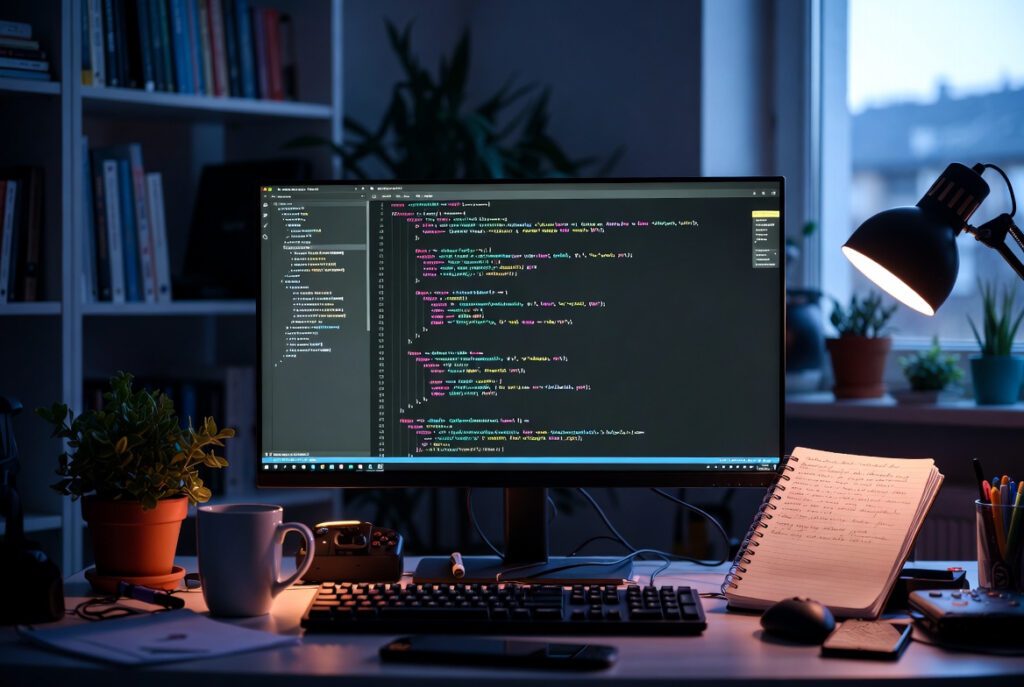
The idea behind vibe coding originates from the convergence of natural language programming, accessible AI tools, and the general trend toward accelerating development. Vibe coding typically refers to the practice of generating a large portion of an application’s functionality through conversational prompts rather than through detailed, manual software craftsmanship.
In this model, developers describe what they want using natural language, and AI tools generate the code required to bring that idea to life. The objective is to achieve something functional as quickly as possible, even if the internal structure is not ideal, optimized, or production-ready. The emphasis is placed on immediate results rather than long-term maintainability or quality assurance.
Where Vibe Coding Came From and Why It Resonated
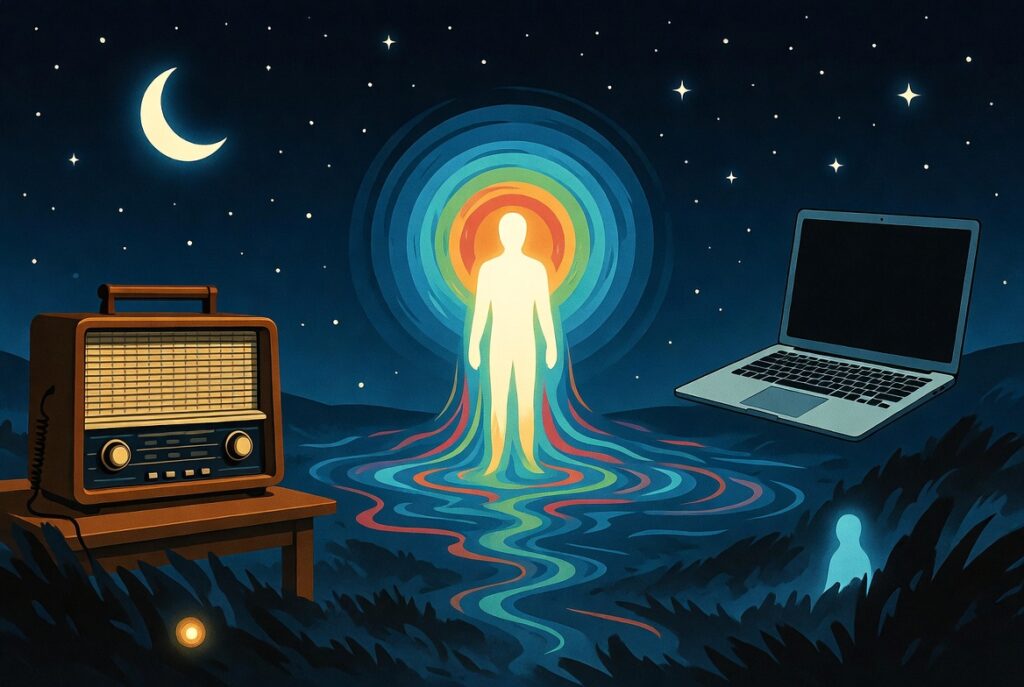
The concept of vibe coding emerged prominently in 2025 and is often attributed to Andrej Karpathy, who articulated the idea of letting AI steer the coding process while the developer embraces the overall vibe. According to Karpathy’s explanation, coding in this manner means trusting the model to deliver working software without laboring over every architectural detail. This philosophy quickly captured the imagination of both hobbyists and working professionals.
On social platforms such as TikTok, vibe coding evolved into a creative and expressive practice. Creators demonstrate building apps based on their mood or aesthetic inspiration: a calming affirmation generator, a minimalist portfolio site, or a themed timer app that matches a personal color palette. The process typically involves minimal planning, limited testing, and a strong focus on rapid visual results. Rather than following strict rules, the goal is to express an idea, receive instant feedback, and enjoy the process of building.
Professionals, on the other hand, saw in vibe coding an opportunity to bypass bureaucratic obstacles and experiment freely. Many developers spend their workdays navigating documentation cycles, formal planning, user stories, sprint commitments, and multiple review stages. Vibe coding temporarily frees them from these constraints, allowing them to iterate faster, explore ideas, and rediscover the joy of creating without external friction.
Why Vibe Coding Has Become So Popular
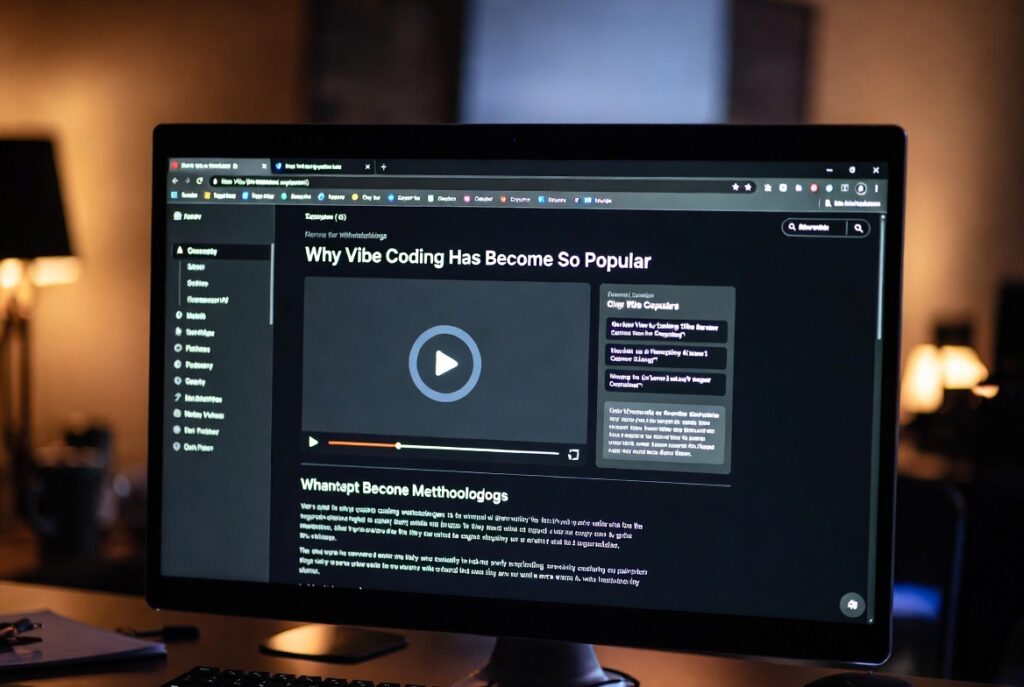
The rise of vibe coding stems from its ability to solve some of the most persistent frustrations in the modern software development lifecycle. Developers often feel constrained by the slow pace of traditional projects, and newcomers frequently find the learning curve intimidating. Vibe coding breaks down these barriers.
Vibe Coding and the Desire for Speed
Traditional software engineering follows a predictable but time-consuming path that includes requirement gathering, architecture design, documentation, testing, approvals, and multiple review cycles. By contrast, vibe coding intentionally strips away these layers. It enables developers and creators to produce prototypes or even near-complete applications in a matter of hours or days. The feeling of progress is immediate and gratifying. Teams can test ideas quickly and evolve them rapidly, at least until complexity demands more structure.
Lowering the Barrier to Entry Through Vibe Coding
AI-assisted coding dramatically reduces the level of prior knowledge required to build functional software. Someone with minimal understanding of syntax, frameworks, or design principles can ask an AI model to create features, components, or full applications simply by describing their goals. This democratizes software creation, empowering non-programmers, students, designers, and entrepreneurs to participate. Individuals who previously struggled to follow tutorial-driven learning paths now produce deployable projects after a weekend of experimentation.
Creative Satisfaction and Personal Expression With Vibe Coding
Vibe coding also taps into the emotional and aesthetic dimensions of software creation. Developers describe the process as fun, liberating, and visually rewarding. There is an immediate connection between idea and implementation, which encourages experimentation. In community spaces, creators share their vibe-coded projects proudly, showcasing tools, games, or art pieces that prioritize creativity over engineering rigor. This fosters a culture of exploration where mistakes carry little consequence and unconventional outcomes are celebrated.
What Vibe Coding Is Actually Good For
Vibe coding is extremely effective for personal, creative, or low-stakes projects where speed and experimentation outweigh concerns about scalability, architecture, or reliability. Individuals often use the method to develop tools intended only for themselves or showcase prototypes that communicate an idea rather than deliver a long-term product.
Hackathons and rapid prototyping environments benefit greatly from vibe coding because the objective is to build something compelling quickly rather than to architect a production-ready platform. Indie founders use vibe coding to explore MVP ideas, gather early feedback, and determine whether an idea merits further investment. Even in artistic circles, vibe coding acts as a medium for digital expression, helping creators build interactive experiences without deep engineering expertise.
The Serious Risks of Vibe Coding When Used for Production Software
The allure of speed makes vibe coding tempting even in professional environments, but the risks multiply significantly when real systems or business-critical software are involved. While the technique excels at experimentation, its weaknesses in reliability, maintainability, and security make it inappropriate for production use without substantial engineering oversight.
The Problem of Limited or Nonexistent Testing in Vibe Coding
Because vibe coding focuses on rapid output, systematic testing is often neglected. Bugs that occur only under certain loads or user conditions remain undiscovered until they cause real issues. Without unit tests, integration tests, or regression checks, the behavior of the software becomes unpredictable, especially as the code evolves. In environments with multiple developers or long-term objectives, skipping testing can create fragile systems where small changes lead to major failures.
Security Vulnerabilities Introduced by Vibe Coding
AI-generated code often contains security oversights, and vibe coding magnifies this risk. Developers who rely heavily on AI may not scrutinize the generated code thoroughly, allowing hidden vulnerabilities to slip through. Hardcoded credentials are one of the most common and dangerous mistakes, observed in many vibe-coded applications that accidentally expose database keys or API secrets.
Models also tend to neglect proper input validation, opening the door to injection attacks and unauthorized data access. Quick implementations rarely include structured authentication or role-based access control, leaving sensitive operations accessible to unintended users.
Documentation, Maintainability, and Long-Term Pain
Vibe-coded applications typically lack documentation, clear architecture, or consistent design conventions. This creates significant problems when the project grows beyond personal use or when other team members need to contribute. Technical debt piles up quickly, and even the original developer may struggle to understand decisions made under time pressure or guided by AI-generated suggestions. Over time, code reviews, debugging, and enhancements become costly and prone to breaking existing features.
Suboptimal Execution and Poor Architectural Foundations
Although AI tools are improving, they still struggle with the complexity of mid- and large-scale systems. Even advanced editors like Cursor currently have limited ability to autonomously navigate a professional-grade codebase.
Vibe coding may work well for isolated components, but producing an entire system requires knowledge of architectural patterns, performance considerations, and scalability strategies that AI models cannot reliably supply. Vibe-coded systems often fail under real-world pressure because they lack caching mechanisms, load balancing logic, dependency management, or failover design.
Chaos in Team Environments Without Standards
When vibe coding enters team settings, inconsistency becomes a major issue. Each developer may rely on different prompting styles, AI tools, or assumptions about structure. Without standards, the codebase grows in unpredictable directions, making collaboration difficult. Lack of conventions leads to conflicting approaches and a noticeable increase in technical debt. Sustainable engineering requires code reviews, design guidelines, and shared principles that vibe coding typically bypasses.
Real Examples of Vibe Coding Gone Wrong
In early 2025, several applications created using the Lovable AI builder contained hardcoded database credentials embedded directly in client-side code. Attackers scanned repositories and extracted these secrets, gaining access to user data and administrative interfaces. Another incident involved a solo founder who launched a fully AI-generated SaaS application only to discover that malicious users had found and exploited embedded API keys.
The unauthorized usage resulted in substantial financial losses and forced the app offline. Many startups that initially relied on vibe coding to create MVPs later found their codebases so tangled and undocumented that scaling or onboarding additional developers became impossible. Several teams ultimately chose to rewrite entire applications rather than attempt to salvage them.
Why Organizations Still Need Professional Engineers Despite the Rise of Vibe Coding
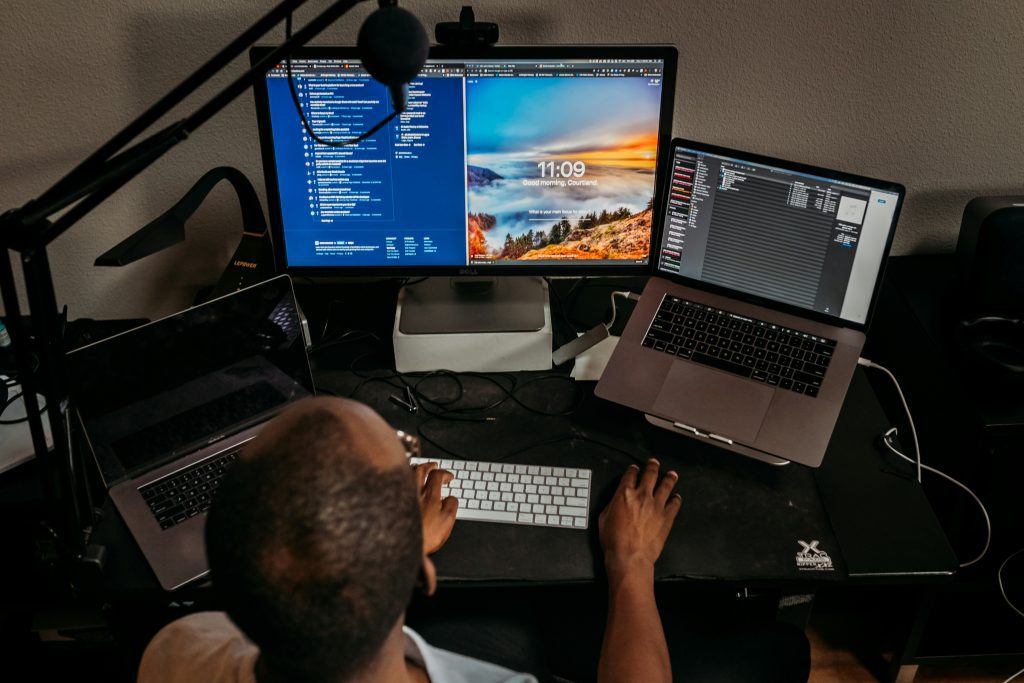
The popularity of vibe coding does not diminish the importance of structured engineering, especially when software interacts with customers, handles sensitive data, or generates revenue. Professional engineers bring knowledge of security practices, system architecture, performance optimization, and maintainability. AI tools can accelerate development, but they cannot replace the judgment and expertise required to design scalable, safe, and resilient systems.
The industry consensus supports a hybrid model: use vibe coding for ideation, exploration, and rapid prototyping, but rely on disciplined engineering processes before deploying software to production. Creativity is valuable, but it must be paired with rigorous testing, documentation, architecture, and governance.
A Balanced Approach: Creativity Through Vibe Coding, Reliability Through Engineering
Organizations increasingly recognize the benefits of combining the speed of vibe coding with the stability of formal engineering. This hybrid model allows teams to move quickly during discovery phases while ensuring that final systems meet professional standards. Progressive Robot works with companies that want to explore this balanced approach by providing experienced engineers, agile workflows, and proven development methodologies.
The goal is to help clients unlock creativity without compromising quality. For organizations interested in software development projects supported by agile teams and engineering expertise, Progressive Robot can deliver solutions that blend innovation with discipline.