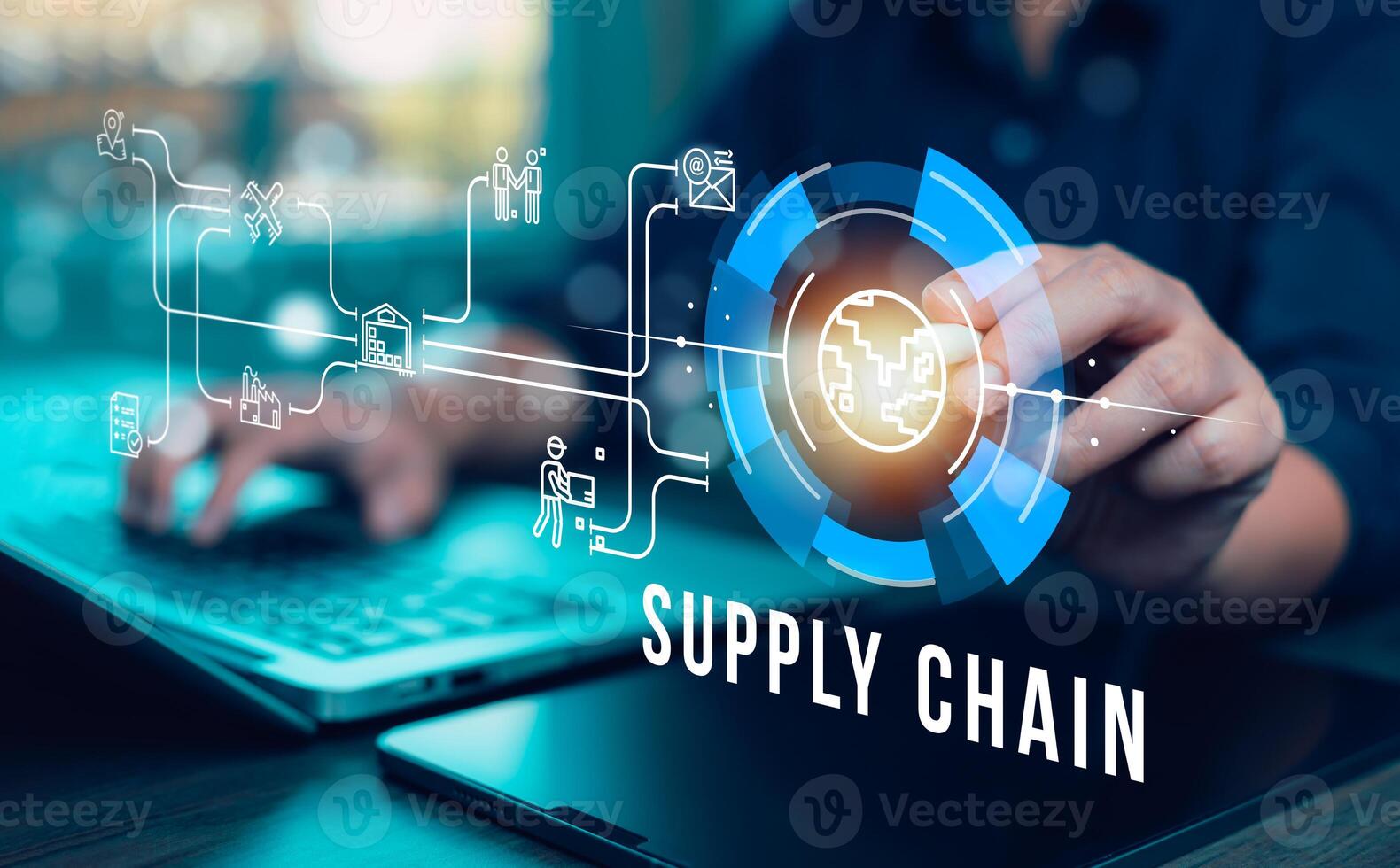
The rapid rise of e-commerce and online services has transformed the way businesses operate, revealing the critical need to rethink how supply chains are managed. As product demand grows, customer expectations increase, and flexibility becomes essential, many organizations are turning to supply chain optimization as a way to remain competitive.
By streamlining logistics, aligning workflows, and integrating technology, companies are now able to reduce costs, enhance efficiency, and deliver better service to their customers.
What Is Supply Chain Optimization?

Supply chain optimization is a strategic approach that enables businesses to balance production, transportation, and operational expenses while ensuring that supply chains run smoothly and efficiently. Companies often invest in optimization when they want to improve profitability, adjust their workflows during mergers or acquisitions, or manage complex logistics networks more effectively.
This process typically unfolds in three interconnected phases. The first is supply chain design, where businesses structure their operations to balance manufacturing, storage, and transportation costs. The second is supply chain planning, which involves organizing the movement of raw materials and final products to ensure timely delivery. The final phase is supply chain execution, where companies focus on using resources effectively, controlling costs, and delivering products to customers without delays.
In today’s digital age, software plays a central role in supply chain optimization. Many businesses either adopt advanced applications or build custom supply chain management solutions tailored to their needs. This approach allows organizations to conduct detailed analyses, gain valuable insights, and scale systems in line with their growth strategies.
Benefits of Supply Chain Optimization

Adopting supply chain optimization offers significant advantages for businesses striving to strengthen their market position. One of the most notable benefits is the reduction of silos across the supply chain. With improved visibility and seamless data exchange, stakeholders can track product journeys, anticipate shortages, and manage overstock or understock challenges more effectively.
Cost reduction is another crucial advantage. Optimized supply chains streamline logistics, enabling businesses to identify the most cost-efficient methods of transportation, storage, and production. Beyond cost savings, optimization also improves customer service, allowing companies to meet on-demand expectations with faster deliveries and more responsive issue resolution.
By focusing on execution rather than simply designing networks, businesses also gain a competitive advantage. With real-time decision-making capabilities, they can adapt quickly to market shifts and plan future strategies more effectively. Enhanced agility ensures that companies can respond to fluctuations in demand, disruptions in distribution, and changes in global markets. Moreover, automation and advanced software simplify complex processes, from supplier onboarding to issue resolution, making operations more efficient and scalable.
Challenges in Supply Chain Optimization
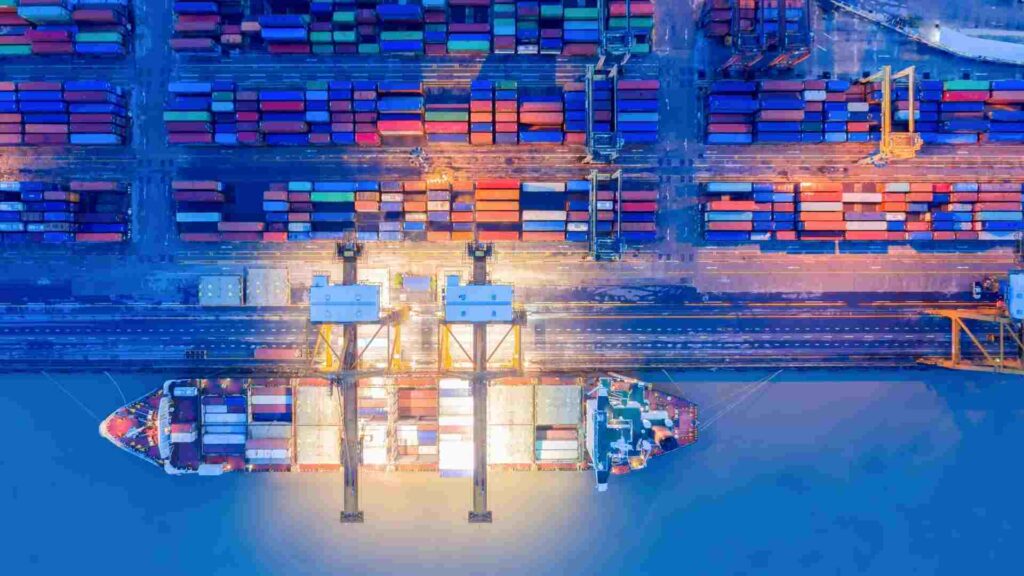
While the benefits are compelling, supply chain optimization presents several challenges. Location is often the first hurdle, as companies must carefully consider where to establish manufacturing plants, warehouses, and distribution facilities. Proximity to raw materials, regulatory requirements, and market demand all influence these decisions.
Production is another area where companies face difficulties. Determining how much to manufacture to meet demand, maintaining consistent quality, and making operational decisions about scheduling, outsourcing, or maintenance require accurate market analysis and flexible planning.
Inventory accuracy also remains a persistent challenge, with costs often reaching 20–40% of a product’s value. Without precise tracking and timely replenishment, businesses risk costly inefficiencies. To overcome these issues, companies are increasingly relying on advanced digital solutions that provide visibility, analytics, and better collaboration tools across their supply chains.
Progressive Robot’s Best Practices in Supply Chain Optimization
One of the most effective strategies for modern supply chain optimization is the development of custom supply chain management software powered by cloud infrastructure. Progressive Robot has extensive expertise in creating scalable, secure, and flexible supply chain solutions that address the unique needs of each business.
By leveraging platforms such as Amazon AWS, Google Cloud, and Microsoft Azure, Progressive Robot ensures that companies gain robust infrastructure with advanced security, monitoring, and automation tools. From Kubernetes orchestration and cloud storage to real-time analytics and security frameworks, these solutions empower organizations to maintain efficiency while adapting to changing business conditions.
Progressive Robot also emphasizes geographical considerations, strategically placing production environments in locations that ensure fast access for target users. Using techniques like private network connectivity and distributed infrastructure, the company guarantees reliable performance across global markets.
Conclusion

Supply chain optimization has become an essential strategy for businesses aiming to reduce costs, improve decision-making, and provide exceptional customer service. Although the process is complex, involving adjustments in design, planning, execution, and digital integration, the results are transformative. Companies that successfully optimize their supply chains benefit from improved efficiency, stronger customer loyalty, and long-term resilience in competitive markets.
The foundation of effective supply chain optimization lies in choosing the right software and infrastructure. Progressive Robot, with its two decades of experience in software development, has delivered tailored supply chain solutions such as order management systems, procurement platforms, delivery services, inventory management, and enterprise-level SCM applications. By harnessing the power of cloud-based, custom-built software, Progressive Robot helps businesses turn supply chain complexity into a streamlined advantage for growth and success.