

Electronic Health Records (EHRs) are transforming modern healthcare by providing patients and providers with consolidated, accurate, and easily accessible medical information. In the wake of the COVID-19 pandemic, the healthcare system faces numerous challenges, including information overload and gaps in critical data. Physicians must track outbreaks, stay updated on effective therapies, monitor patient progress, and document new symptoms—all while managing large volumes of records.
EHRs address these issues by enabling the healthcare system to sort through massive amounts of information and highlight the most relevant data for each patient. This helps providers determine critical insights, identify the best treatments, and create more effective preventive strategies.
What Are Electronic Health Records?
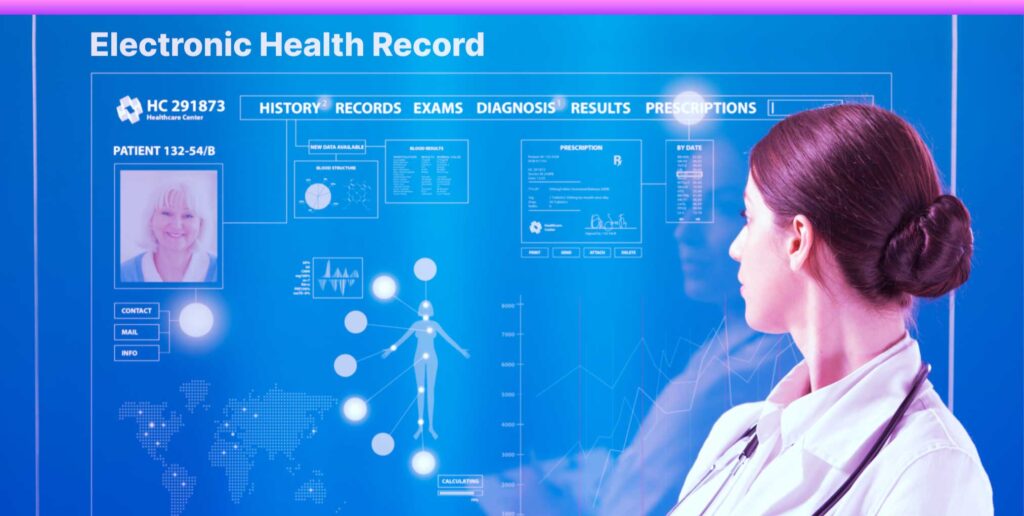
An Electronic Health Record is an electronic representation of a patient’s medical history that is stored by the healthcare provider and may include all of the critical clinical data pertinent to that patient’s care.
Information in an EHR can include:
The history of medications a patient has taken
Medical treatment records
Data about examinations and tests a patient has undergone
Allergies and adverse reactions
Imaging and diagnostic results
Besides, an EHR provides physicians and care providers with decision-support tools to assist them in making informed choices about a patient’s treatment.
Types and Usage of Electronic Health Records
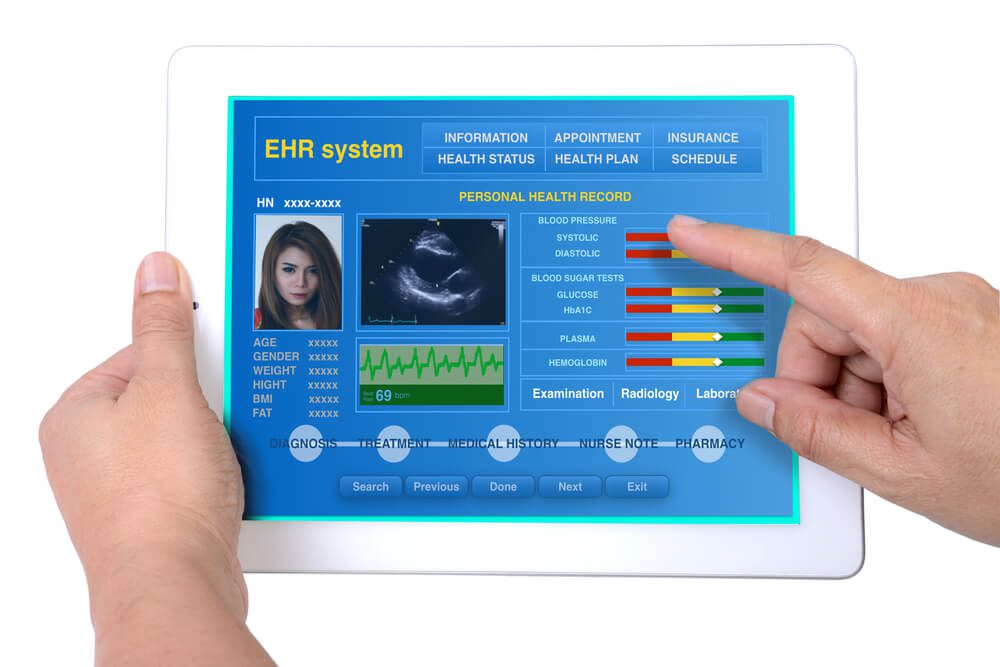
Electronic Health Records come in a variety of formats, depending on the size and resources of the healthcare provider.
Hospital-based systems: Some hospitals may install specialized software and build internal databases to track patient records.
Cloud-based systems: Smaller clinics often use third-party providers to make records securely accessible from multiple devices.
Mobile-enabled records: Patients and doctors can access EHRs via smartphones and tablets, making healthcare more portable and convenient.
It’s important to note that EHRs differ from Personal Health Records (PHRs).
EHRs contain information from all doctors involved in a patient’s care, accessible by all authorized providers.
PHRs, on the other hand, are controlled by patients themselves, who can set up, access, and manage the records for personal use.
Benefits of Electronic Health Records for Patients

1. Convenience
Imagine relocating to a new city and needing to schedule an appointment with a doctor. Without EHRs, the process involves contacting previous clinics, making phone calls, and sending requests for medical records. This can delay care significantly.
With Electronic Health Records, patient information is consolidated and can be shared instantly between organizations. Doctors have access to up-to-date medical histories, prescriptions, and test results, enabling timely care.
2. Affordability
EHRs support telehealth advancements, which allow patients to consult with doctors via video conferencing or mobile apps. This saves both time and money by reducing travel expenses and enabling easier access to prescriptions or routine follow-ups.
Healthcare technology will continue to advance, and with EHR integration, services can become even more cost-effective for patients.
3. Better Quality of Care
A key benefit of Electronic Health Records is improved safety in prescribing medications. For instance, if a doctor prescribes a new drug, the EHR system automatically checks for potential conflicts with existing medications or allergies.
This decision-support feature reduces risks of harmful drug interactions and enhances the quality of care patients receive.
4. Better Services in Rural Areas
For patients in remote areas, traveling to healthcare facilities can be time-consuming and expensive. EHRs provide accessible medical histories that help providers make informed decisions remotely.
For example, immunization records stored in an EHR prevent patients from receiving unnecessary or duplicate vaccinations, saving both time and money.
Benefits of Electronic Health Records for Healthcare Providers
1. Improved Efficiency
Healthcare providers benefit from EHRs by eliminating delays in accessing patient files. Records can be shared with different departments in seconds, reducing errors and streamlining workflows.
Other efficiency improvements include:
Faster access to lab results and imaging
Centralized chart management
Automated coding and insurance claims
Integrated scheduling linked to progress notes
All of this translates to better outcomes for both providers and patients.
2. Less Paperwork and Fewer Storage Issues
Traditional paper-based systems require significant storage space and manual data entry. EHRs drastically reduce paperwork, automate routine administrative tasks, and cut down on physical storage requirements.
A less cluttered office environment allows staff to focus on patient care instead of paperwork.
3. Increased Quality of Care
EHRs provide real-time patient data that ensures higher-quality diagnoses and treatments. Features like electronic prescribing (e-prescribing) allow providers to connect directly with pharmacies, reducing lost or misinterpreted prescriptions.
Patients also receive automatic reminders for preventive screenings and follow-ups, which can lead to early detection of serious conditions.
4. Increased Revenue
EHRs save time for physicians, allowing them to see more patients during the day. Even if only a few minutes are saved per visit, this adds up to significant revenue gains over time.
EHRs also streamline chart requests during insurance reviews and audits. By providing more accurate documentation and automated billing codes, healthcare providers can optimize reimbursement while avoiding costly errors.
According to Medical Economics, physicians who under-code to avoid audits lose an average of $40,000 per year. With EHRs, proper coding is automated, reducing risks and increasing financial returns.
Challenges of Electronic Health Records
While the benefits of Electronic Health Records are significant, there are still challenges:
Cybersecurity risks – Patient data is highly sensitive and can be targeted by hackers.
Training gaps – Healthcare staff may not know how to use EHR systems effectively.
Integration issues – Older healthcare systems may struggle to integrate new EHR technology.
To overcome these obstacles, providers must invest in robust security measures, continuous staff training, and scalable integration strategies.
The Role of Progressive Robot in EHR Development
Just as healthcare organizations require reliable partners for their digital transformation, Progressive Robot provides tailored EHR solutions designed to meet modern challenges.
From custom-built EHR systems to cloud-based platforms, Progressive Robot ensures:
Secure and compliant data handling
User-friendly interfaces for doctors and patients
Seamless integration with existing healthcare infrastructure
Scalable solutions for hospitals, clinics, and private practices
With Progressive Robot, implementing an EHR system becomes less about overcoming obstacles and more about unlocking new opportunities for better care and efficiency.
Bottom Line
The benefits of Electronic Health Records extend to both patients and healthcare providers. For patients, EHRs offer convenience, affordability, and safer, higher-quality care. For providers, EHRs improve efficiency, reduce paperwork, and increase revenue while enabling more accurate diagnoses and treatments.
Like any technology, EHRs present challenges, but with proper training, cybersecurity, and integration strategies, their advantages far outweigh the drawbacks.
Healthcare organizations looking to modernize should embrace Electronic Health Records not as a trend but as a necessity for the future of medicine.
If you’re exploring ways to enhance your healthcare practice with EHR solutions, Progressive Robot can help. Our experts will assess your needs, identify gaps, and design a tailored EHR system that improves efficiency, boosts patient outcomes, and supports long-term growth.
Contact Progressive Robot today to discover how Electronic Health Records can transform your healthcare delivery.