

Digital Transformation in Banking is redefining the financial sector at a rapid pace. In the last few years, the face of banking has irrevocably changed. One of the clearest examples is the rise of a new breed of banks known as challenger banks — financial institutions that focus on delivering exclusively digital services and minimizing in-person customer interactions.
First introduced in the UK, challenger banks have since spread worldwide. Today, there are nearly 200 challenger banks operating across the globe, and their numbers continue to grow. This rapid expansion has been made possible by the adoption of innovative technologies such as artificial intelligence (AI), blockchain, and cloud computing, which are reshaping the banking sector at its core.
So, what exactly does digital transformation in banking mean, and how is it influencing the industry? In this article, we’ll define it, explore its key areas, and review three current trends driving digital transformation in banking today.
What Is Digital Transformation in Banking?

Digital transformation in banking is the process of leveraging modern technology to improve how financial institutions understand, communicate with, and meet the needs of their customers. At its core, it involves recognizing digital customer behavior, preferences, and requirements, and then reshaping banking services to align with these evolving expectations.
Emerging technologies such as AI, blockchain, cloud computing, Internet of Things (IoT), robotic process automation (RPA), and even virtual reality (VR) are enhancing the financial landscape. They are redefining everything from risk management to customer engagement. Examples include:
Operations analysis and risk management: Fraud detection systems and multi-level transaction validation reduce both customer and staff errors.
Faster transactions: Big Data microservice architectures process payments quickly and securely.
Data security: Encryption systems safeguard sensitive customer information and prevent data leaks.
Predictive analytics: Banks can forecast economic challenges and prepare FinTech solutions proactively.
Simply put, digital transformation in banking is not just about introducing new tools; it is about reshaping the entire financial ecosystem for speed, accuracy, and customer satisfaction.
Key Areas of Digital Transformation in Banking

1. Customer Journey
In traditional banks, the customer journey often feels disjointed: marketing passes leads to sales, then to customer service, creating an impersonal and fragmented experience.
Digital transformation changes this by building a seamless and personalized customer journey. With everything integrated into a single digital platform, customers are served using consistent tools and shared data.
This requires reorganizing teams, merging functions such as marketing and retail, and embedding technical expertise directly into customer-facing operations. The result is an improved experience that enhances satisfaction while reducing operational costs.
2. Digitalization and Big Data
The more digital services banks provide, the more customer data they collect. This data is invaluable for improving operating models, enhancing customer service, and even shaping corporate strategy.
Big Data allows banks to:
Predict customer needs, such as when they might require a loan.
Spot patterns of potential defaults before they happen.
Anticipate when customers may switch providers.
Offer personalized products through apps and online portals.
By mining data effectively, banks can create customized marketing campaigns, tailored offers, and predictive services that increase retention and engagement.
3. Focus on Change
One of the most critical aspects of digital transformation in banking is adaptability. Traditional banks are often slowed down by rigid regulations, security concerns, and legacy infrastructure. In contrast, digital-native products evolve quickly, gaining traction among customers.
For banks to succeed, they must transform from the inside out. That means adapting policies, replacing outdated frameworks, and fostering a digital-first culture. Only then can they remain competitive against challenger banks and FinTech disruptors.
Dominant Digital Banking Trends
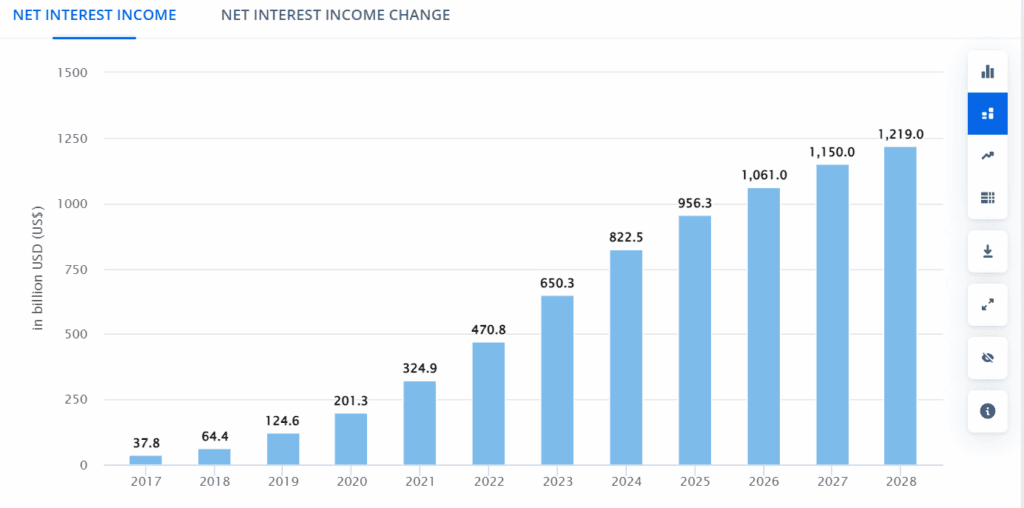
The following three trends are shaping the current landscape of digital transformation in banking and are likely to dominate in the near future.
1. Digital Mobile Banking
Banking is no longer defined by physical branches. Instead, it is about offering 24/7 remote access via mobile apps. Customers now expect to deposit checks, transfer funds, apply for loans, and even invest — all from their smartphones.
Features of leading digital banking apps include:
Secure, simple logins
Smart account management
AI-driven chatbots for customer service
ATM locators
QR code payment options
Spending trackers and alerts
Cashback and special offers
Support for wearable devices
Shared finance tools for families or groups
Mobile payments are also on the rise, with growing merchant adoption driving customer satisfaction. Looking ahead, the future of mobile banking lies in omnichannel platforms that unify web, mobile, call centers, and even physical touchpoints into a single customer experience.
2. Blockchain
No discussion of digital transformation in banking is complete without blockchain. The technology is already being used for:
Cross-border and peer-to-peer payments
Private equity asset transfers
Derivative commodity tracking
Loan and mortgage record management
Blockchain ensures secure, transparent, and fast transactions. It also has the potential to automate regulatory compliance, streamlining processes that previously required manual oversight. The benefits already being realized include:
Reduced transaction costs
Faster settlements
Enhanced fraud prevention
Greater transparency in asset tracking
As blockchain adoption grows, it will become a central pillar of banking operations.
3. Artificial Intelligence (AI)
AI is arguably the most transformative technology in banking today. Its most promising application is in automated wealth management. AI-powered bots can recommend investment opportunities, identify the best interest rates, and match customers with the most suitable loan providers.
Beyond wealth management, AI supports:
Personalized customer support through chatbots
Advanced fraud detection using pattern recognition
Predictive analytics for financial planning
Automated credit scoring for faster loan approvals
In short, AI enables banks to deliver smarter, more personalized, and more efficient services at scale.
Bottom Line
The banking industry is undergoing a profound digital revolution. From challenger banks to AI-driven wealth management, digital transformation in banking is no longer optional — it is essential for survival and growth.
While many traditional banks struggle to meet their own transformation goals, the path forward is clear: embrace emerging technologies, adopt omnichannel platforms, and foster a culture of adaptability.
With ATMs, card readers, mobile apps, and blockchain already shaping the sector, the era of digital-first banking has arrived. For financial institutions ready to innovate, now is the time to act.
At Progressive Robot, we specialize in helping banks and financial institutions harness the power of digital transformation. From custom banking software to AI-driven automation, our solutions enable organizations to enhance customer experience, improve efficiency, and secure a strong competitive advantage.
Contact Progressive Robot today to explore how your bank can take the next step in its digital transformation journey.