
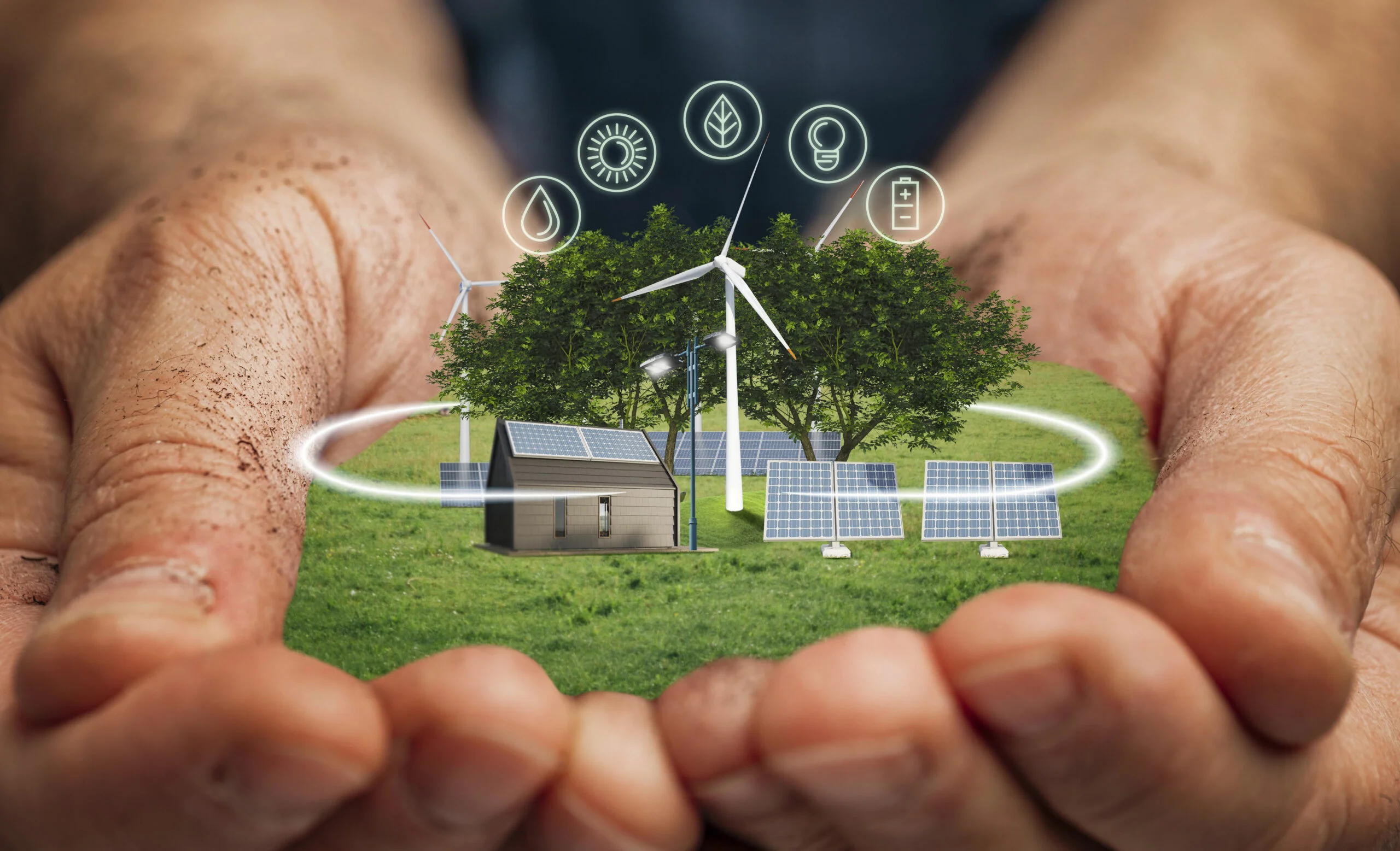
In an age where climate change, resource depletion, and environmental degradation dominate global headlines, the role of technology in shaping a sustainable future is more crucial than ever. While technology has historically been a double-edged sword—accelerating industrial growth while contributing to ecological stress—modern innovations are increasingly being designed to reverse this impact. Enter Sustainable Technology, a growing field focused on leveraging science and engineering to support long-term ecological balance and human progress.
This article explores what sustainable technology is, how it works, its key characteristics, applications, challenges, and why it is vital for the future of our planet.
What Is Sustainable Technology?

Sustainable technology refers to innovations that are developed and used in a way that protects the environment, supports social responsibility, and promotes economic viability. It aims to meet the needs of the present without compromising the ability of future generations to meet their own.
Unlike conventional technology, which often prioritizes performance or profitability, sustainable technology incorporates environmental and ethical considerations throughout the lifecycle of a product or system—from design and development to disposal or reuse.
It is not limited to a single industry or product type. Instead, it spans sectors such as energy, transportation, construction, agriculture, and even information technology, impacting how businesses operate and how consumers interact with the world.
Key Principles of Sustainable Technology

The foundation of sustainable technology lies in its commitment to three core principles, often referred to as the triple bottom line:
1. Environmental Protection
Technologies should minimize environmental harm, reduce carbon footprints, and use natural resources efficiently. This includes lowering emissions, managing waste, conserving water, and using renewable resources wherever possible.
2. Economic Viability
Sustainability doesn’t mean sacrificing financial performance. For technology to be sustainable, it must also be economically feasible for both businesses and consumers. It should encourage long-term profitability without externalizing environmental costs.
3. Social Responsibility
Sustainable technologies promote human well-being by ensuring fair labor practices, improving community health, and supporting equitable access to innovation. Ethical sourcing, transparency, and inclusiveness are integral parts of this principle.
Characteristics of Sustainable Technology

To be classified as truly sustainable, a technology typically exhibits several key characteristics:
Energy efficiency – Operates using minimal energy while achieving optimal output.
Low or zero emissions – Emits few or no greenhouse gases or pollutants.
Recyclability and reusability – Designed with a circular economy in mind.
Minimal resource usage – Uses fewer raw materials, particularly non-renewable ones.
Longevity and durability – Built to last, reducing the need for frequent replacement.
Safe and non-toxic – Avoids the use of hazardous substances that could harm humans or ecosystems.
Real-World Examples of Sustainable Technology
Sustainable technologies are transforming how we live and work. Here are some notable real-world examples:
Renewable Energy Solutions
Solar panels, wind turbines, hydroelectric generators, and geothermal systems are prime examples of sustainable energy technology. They provide power without emitting harmful greenhouse gases, replacing fossil fuels in electricity generation.
Electric and Hydrogen Vehicles
Electric cars (EVs) and hydrogen-powered vehicles significantly reduce transportation-related emissions. Paired with green energy sources, they offer a sustainable alternative to gasoline-powered cars.
Green Building Materials
Smart insulation, energy-efficient windows, and sustainable materials like bamboo or recycled steel are changing construction. These materials reduce energy consumption and increase building longevity.
Smart Agriculture
Technologies like drip irrigation, vertical farming, and AI-powered crop monitoring improve yields while conserving water and reducing pesticide use, promoting sustainable food production.
E-waste Recycling Systems
Advanced systems that recover valuable materials from electronic waste (e-waste) help divert massive amounts of waste from landfills and reduce the need for virgin mining of resources.
Cloud Computing & Virtualization
By reducing the need for physical servers and promoting energy-efficient data management, cloud computing minimizes the environmental impact of growing digital demands.
Sustainable Technology in Industry Sectors
Sustainable technology touches every industry. Here’s how various sectors are implementing it:
Energy
Transitioning from fossil fuels to renewables, enhancing grid efficiency, and storing clean energy using advanced batteries are all driven by sustainable tech.
Manufacturing
Industries are adopting energy-efficient machinery, lean production practices, and zero-waste initiatives to minimize their environmental footprint.
Transportation
Autonomous electric vehicles, shared mobility platforms, and intelligent traffic systems are reshaping how people and goods move.
Construction
Smart homes, modular buildings, and net-zero energy structures are becoming standard as developers prioritize green certifications and long-term efficiency.
Healthcare
Sustainable technologies in healthcare include telemedicine platforms that reduce travel, eco-friendly medical devices, and biodegradable packaging for pharmaceutical products.
The Role of Digital Innovation in Sustainable Technology
Digital innovation plays a central role in amplifying the impact of sustainable technology:
Artificial Intelligence (AI) helps optimize energy use in smart cities, predict equipment failures in factories, and streamline agricultural practices.
Internet of Things (IoT) devices monitor real-time energy consumption, waste generation, and water use in homes and industries.
Blockchain ensures transparent and ethical supply chains, especially in resource-heavy industries like mining or agriculture.
Data Analytics enables businesses to track their sustainability metrics and make informed decisions to reduce environmental impact.
These digital solutions act as enablers, ensuring that sustainable practices are more efficient, scalable, and measurable.
Benefits of Adopting Sustainable Technology
Environmental Gains
By reducing pollution, conserving natural resources, and mitigating climate change, sustainable technologies help protect ecosystems and biodiversity.
Long-Term Cost Savings
Though initial investments may be high, the operational savings from energy efficiency, waste reduction, and product longevity often offset the upfront costs.
Brand Reputation
Consumers increasingly support brands that demonstrate sustainability. Using eco-conscious technologies can enhance brand loyalty and trust.
Regulatory Compliance
Governments are tightening environmental regulations. Sustainable technologies help businesses stay ahead of compliance and avoid penalties.
Innovation and Competitive Edge
Early adopters of sustainable tech often gain market leadership by innovating ahead of trends and addressing evolving customer values.
Challenges in Implementing Sustainable Technology
Despite its promise, the path to widespread adoption of sustainable technology is not without obstacles:
High Initial Costs
Developing or acquiring sustainable solutions can be expensive. Small and medium enterprises (SMEs) often face financial constraints.
Technology Maturity
Not all sustainable technologies are fully developed or commercially viable. Some solutions still require more research, standardization, or infrastructure.
Resistance to Change
Organizations entrenched in traditional systems may resist transitioning to sustainable alternatives due to perceived risks or inconvenience.
Supply Chain Constraints
Sourcing sustainable materials or components ethically and reliably can be challenging, especially across global supply chains.
Lack of Awareness or Expertise
Businesses and consumers alike may lack knowledge about sustainable options, hindering adoption or leading to greenwashing (false sustainability claims).
The Future of Sustainable Technology
Sustainable technology is more than a passing trend—it’s a strategic necessity for governments, corporations, and individuals who seek long-term viability. Here’s what the future looks like:
Circular Economy Models will become more prominent, emphasizing reuse, repair, and recycling over disposal.
Decentralized Renewable Grids will empower communities to produce and share clean energy locally.
Carbon Capture and Storage (CCS) technologies will help offset unavoidable emissions from hard-to-abate industries.
Bio-Based Materials like mycelium leather or algae plastics will replace non-renewable and polluting resources.
Green Software Engineering will ensure that even digital technologies minimize energy usage and waste.
The convergence of sustainability goals with technological innovation is set to redefine how products are made, used, and discarded, bringing a profound shift in global economies and lifestyles.
Conclusion

Sustainable technology is the cornerstone of a resilient and responsible future. It represents a thoughtful approach to innovation—one that respects environmental boundaries, supports economic stability, and improves human well-being. As more individuals, businesses, and policymakers embrace sustainability, the demand for eco-friendly, efficient, and ethical technologies will only grow.
Investing in sustainable technology today is not just a moral or environmental decision—it is a strategic one. It prepares organizations for a low-carbon future, ensures compliance with evolving regulations, and meets the expectations of a socially conscious consumer base.
Whether you’re a business leader, engineer, policymaker, or conscious consumer, understanding and supporting sustainable technology is an essential step toward a more equitable and sustainable planet.