

In today’s digitally driven world, vast volumes of data are collected every second through connected devices, online platforms, and smart technologies. But collecting data alone is no longer enough—what matters now is how organizations interpret and act on that data. That’s where the Internet of Behavior (IoB) enters the picture. As an extension of the Internet of Things (IoT), IoB focuses not just on connecting devices, but on understanding and influencing human behavior through the data those devices generate.
This article explores what the Internet of Behavior is, how it works, and why it’s considered the future of digital transformation, customer engagement, and intelligent decision-making.
What Is the Internet of Behavior (IoB)?
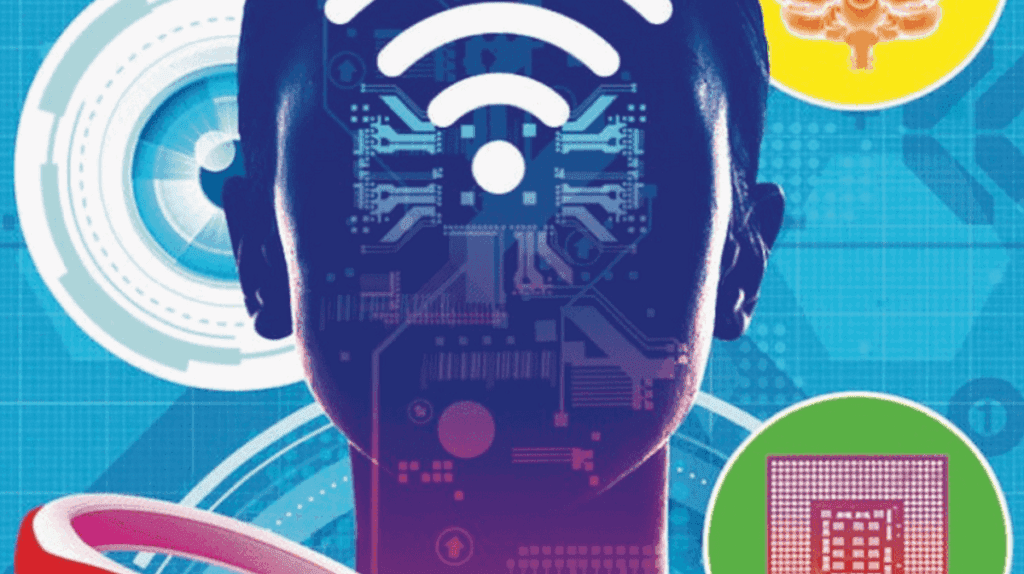
The Internet of Behavior is a concept that involves capturing, analyzing, and responding to behavioral data gathered from user interactions with devices and digital environments. Unlike traditional data collection, which focuses primarily on technical metrics or transactional history, IoB centers on human actions, preferences, habits, and decisions.
At its core, IoB is about turning observable digital behavior into actionable insights. These insights are then used to predict, guide, or modify user behavior in both business and public domains.
For example, wearable devices like fitness trackers monitor your physical activity. With IoB, that data can be combined with other inputs—like dietary habits, location, or health records—to create highly personalized health recommendations or incentives.
How IoB Differs from IoT

The Internet of Things (IoT) connects physical devices to the internet, allowing for data transmission and remote control. While IoT is concerned with things, IoB focuses on the people using those things.
Think of IoT as the foundation: sensors, smart devices, and systems that generate data. IoB builds upon this by using data analytics, artificial intelligence, and behavioral psychology to make sense of the human decisions behind those interactions.
In short:
IoT tells you what happened.
IoB explains why it happened—and what to do about it.
Key Technologies Powering IoB

The Internet of Behavior wouldn’t be possible without a combination of advanced technologies that enable real-time data collection and deep behavioral analysis. The most important ones include:
Artificial Intelligence (AI)
AI enables machines to identify patterns in massive datasets. In the IoB context, AI helps interpret behavioral signals and predict future actions based on past trends.
Machine Learning (ML)
Machine Learning models continuously learn from behavioral data, improving personalization and decision-making over time.
Big Data Analytics
IoB depends on processing large-scale data from various sources: mobile apps, websites, social media, IoT devices, and more. Big Data tools make this aggregation and analysis possible.
Behavioral Science
Insights from psychology and behavioral economics help organizations shape user experiences. These principles are often embedded in digital platforms to influence decision-making subtly and ethically.
Real-World Applications of the Internet of Behavior

As the Internet of Behavior becomes more prevalent, it is transforming multiple industries. Here’s how:
Retail and E-Commerce
Retailers use IoB to analyze customer shopping habits, browsing patterns, and purchase history. This allows for hyper-personalized recommendations, dynamic pricing, and real-time promotions. In physical stores, heat maps and sensor data help track foot traffic and optimize layouts.
Healthcare
IoB improves patient outcomes by tracking behaviors related to medication adherence, diet, sleep, and activity. Medical professionals use this data to develop personalized treatment plans, send health reminders, or trigger alerts for potential risks.
Marketing and Advertising
Advertisers leverage IoB to target audiences more precisely by analyzing online behavior such as search queries, social media engagement, and website interactions. Behavioral data allows for timely, context-sensitive ads that are more likely to convert.
Insurance and Finance
Insurers and banks use behavioral data to assess risk more accurately. For example, driving behavior data from telematics can influence car insurance premiums. Similarly, spending patterns can affect credit scoring.
Workplace Productivity and HR
In the corporate world, IoB helps monitor employee behavior, engagement, and productivity. Behavioral analytics can lead to better workplace design, employee wellness programs, and performance management systems.
Benefits of the Internet of Behavior
Enhanced Personalization
IoB allows businesses to deliver services that feel tailored to each individual. By understanding preferences and habits, organizations can offer more relevant content, products, and experiences.
Improved Decision Making
Access to behavioral insights supports data-driven strategies. Companies can make informed decisions about marketing, operations, product development, and customer engagement.
Predictive Capabilities
With historical and real-time behavioral data, IoB enables accurate predictions about user actions. This is especially useful for anticipating demand, detecting fraud, or preventing churn.
Operational Efficiency
In industries like manufacturing, logistics, and healthcare, IoB helps reduce waste, optimize workflows, and increase efficiency by aligning operations with human behavior.
Ethical and Privacy Considerations
As powerful as IoB is, it raises important concerns about data privacy and consent. Gathering behavioral data can feel intrusive if not handled transparently. Key ethical challenges include:
Data Ownership – Users often don’t know who owns or controls the behavioral data collected about them.
Consent and Transparency – Clear and informed consent is essential when collecting and analyzing behavioral data.
Bias and Manipulation – Predictive algorithms may reinforce behavioral biases or unfairly influence decisions.
Security Risks – Behavioral data is sensitive and, if breached, could be exploited for manipulation or fraud.
To address these concerns, governments and organizations must implement robust data governance frameworks, adhere to privacy regulations (like GDPR or CCPA), and design ethical AI systems.
The Future of IoB: Why It’s Inevitable
The Internet of Behavior is poised to play a central role in shaping the future of customer engagement, smart cities, personalized healthcare, and enterprise management. Here’s why IoB is considered the future:
Rise of Connected Devices
The more devices people use, the more behavioral data is generated. Smart homes, wearable tech, autonomous vehicles, and augmented reality all contribute to a rich behavioral data ecosystem.
Demand for Hyper-Personalization
Consumers now expect tailored experiences. IoB makes it possible to deliver the right message or service at the right time, based on individual behavior and context.
Growth of AI and Predictive Technologies
Advancements in AI make it easier and faster to process complex behavioral data, making real-time personalization scalable and actionable.
Competitive Advantage
Organizations that use IoB effectively gain deeper customer insight, improve loyalty, and drive innovation faster than those that don’t.
Smart Governance and Urban Planning
IoB can support public services by improving traffic systems, optimizing energy usage, and enhancing public health initiatives through real-time behavioral monitoring.
Best Practices for Implementing IoB
For businesses and developers looking to adopt IoB, here are some guidelines to ensure ethical and effective implementation:
Start with Clear Goals – Know what behaviors you want to analyze and why. Define how insights will improve outcomes.
Invest in the Right Tools – Use scalable analytics platforms, AI models, and integration frameworks.
Ensure User Consent and Transparency – Make data policies clear and let users control what information they share.
Build Cross-Functional Teams – Combine expertise from data science, behavioral psychology, marketing, and IT to maximize impact.
Monitor and Adjust Continuously – Use feedback loops and A/B testing to improve behavioral models over time.
Conclusion

The Internet of Behavior is not just a buzzword—it’s a major technological and cultural shift in how organizations interact with users, analyze their actions, and tailor experiences to fit individual needs. As AI, machine learning, and IoT continue to advance, IoB will become even more influential in shaping consumer behavior, optimizing services, and driving innovation across industries.
While challenges like data privacy and ethical use remain critical, the benefits of behavioral insight—when handled responsibly—will define the future of digital transformation. Businesses that embrace IoB today will be better prepared to meet the expectations and demands of tomorrow.