
Infrastructure as Code, or IaC, has fundamentally changed how infrastructure is managed and deployed. Rather than configuring servers, networks, and storage manually, teams now define infrastructure using code. That shift offers dramatic gains in speed, reliability, collaboration, and scale. In this article, we’ll explain what IaC is, how it works, the core principles that make it powerful, and the tools commonly used in modern DevOps practices.
What Is Infrastructure as Code?
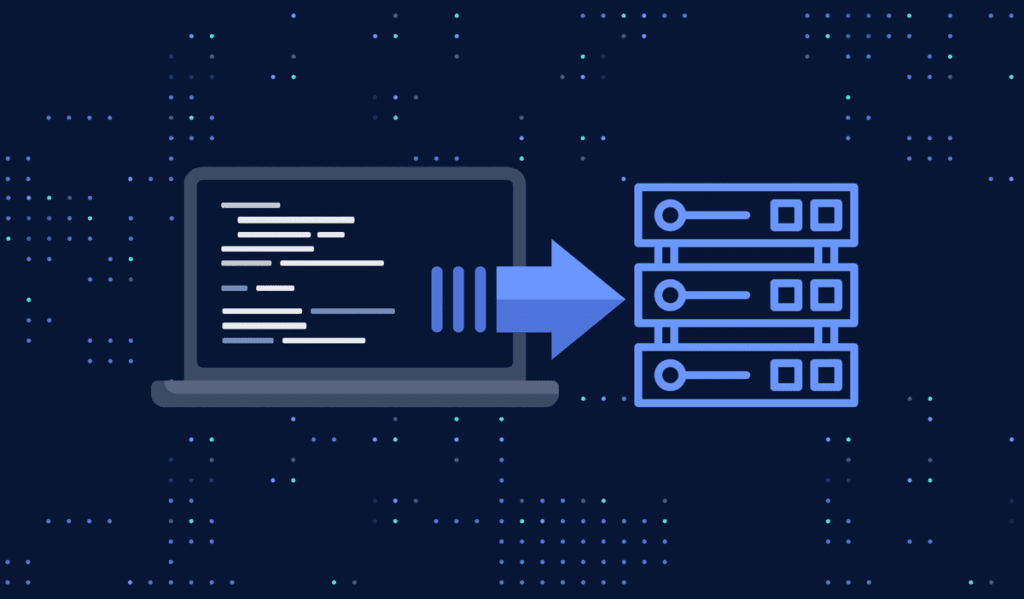
Infrastructure as Code means managing infrastructure—such as servers, networks, databases, and services—through versioned code files instead of manual consoles or GUI wizards. You define your desired environment in code and use automation tools to bring that code into reality. It replaces error‑prone manual processes with scripted, repeatable workflows. Teams commit infrastructure definitions to source control, review them, test them, and deploy them across environments. This approach brings infrastructure into the CI/CD pipeline, allowing environments to be treated just like applications.
AWS defines IaC as the ability to provision and support computing infrastructure using code rather than manual processes. By enabling developers to describe infrastructure in files, IaC automates environment creation, updates, and rollback. It fosters reliable, consistent deployments that align with application code changes.
Why Infrastructure as Code Matters

IaC removes manual configuration errors and drift, reduces setup time from days to minutes, and enforces consistency across environments. With IaC you can duplicate environments effortlessly or roll back configurations if issues arise. It enables version control for infrastructure configurations, letting teams track who changed what and revert to previous states as needed. Resource provisioning becomes predictable and efficient, saving costs by avoiding over‑ or under‑provisioning.
How Infrastructure as Code Works
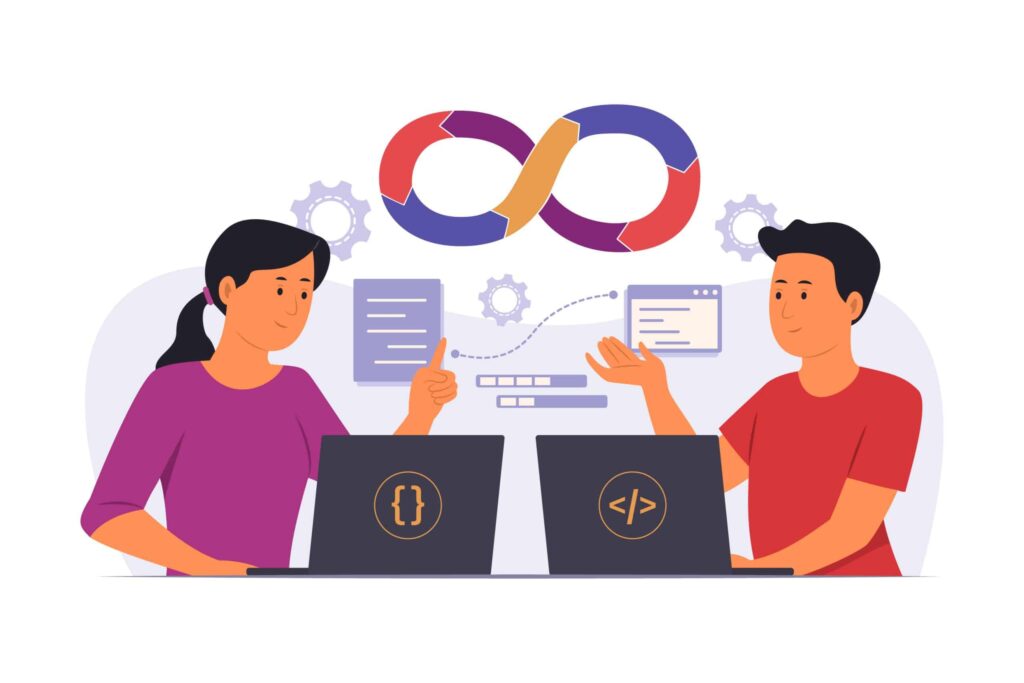
Declarative vs Imperative
There are two main programming paradigms in IaC:
Declarative lets you describe the desired end state—what infrastructure should look like—and the IaC tool figures out the steps. Terraform and CloudFormation follow this model.
Imperative scripts each step to transition the infrastructure to the target state. Tools like Chef and Ansible support this approach when sequential control is necessary.
A key concept is idempotency—applying the same code multiple times yields the same result, avoiding unintended side effects.
Development Workflow
Typical IaC workflows include:
Write configuration files in a formal language or DSL.
Commit code to version control (e.g., Git).
Generate a plan showing proposed changes.
Apply the changes, provisioning resources and tracking state.
Integrate IaC into CI/CD pipelines so infrastructure changes are reviewed and tested like application code.
Core Benefits of IaC
Speed and automation: Infrastructure can be created in minutes rather than days or weeks.
Consistency: All environments are identical, eliminating “it works on my machine” issues.
Version control: Infrastructure changes are auditable and rollback‑able.
Scalability: Easily manage infrastructure across multiple clouds, regions, or on‑prem environments.
Security and compliance: Embed rules as code to enforce policies and prevent misconfigurations.
Popular Infrastructure as Code Tools
Terraform
An open‑source, cloud‑agnostic tool developed by HashiCorp that uses a declarative DSL (HCL). It manages infrastructure across AWS, Azure, GCP, and on‑premise systems. Terraform handles modular configurations, state management, and supports plugins for many providers. According to Reddit and community feedback, Terraform remains the most widely used IaC tool.
Ansible
A powerful agentless automation tool that uses YAML playbooks. It supports both declarative and imperative workflows, making it ideal for configuration management, application deployment, and server orchestration. Though performance and debugging challenges exist, real‑world practitioners highlight the need for improved documentation and tooling.
Puppet
A mature declarative tool used for enforcing configurations across large deployments. Puppet uses a DSL and a centralized server to ensure consistent state across nodes.
Chef
An imperative configuration management tool that uses Ruby‑based recipes and cookbooks. Chef offers flexibility for complex setups and integrates well with CI/CD pipelines.
SaltStack
Offers both declarative and imperative capabilities, event-driven automation, and real-time orchestration. Known for speed and scalability in dynamic environments.
AWS CloudFormation
AWS-native IaC for provisioning and managing AWS resources via JSON or YAML templates. Fully integrated with AWS cloud and supports rollbacks on failure.
Azure Resource Manager (ARM)
Microsoft’s IaC solution for Azure, based on declarative JSON templates, enabling full infrastructure management across Azure services.
Pulumi
A modern IaC tool that lets developers write infrastructure code in mainstream languages like Python, TypeScript, Go, Java, or C#. Pulumi integrates well into application codebases and CI/CD systems.
Others: Kubernetes, Cloud Development Kits (CDK), StackStorm
Kubernetes uses declarative manifests to orchestrate container infrastructure. AWS CDK and similar tools (e.g. Pulumi) let teams define infrastructure in general-purpose languages. StackStorm adds event-driven workflows to IaC systems.
Best Practices and Common Challenges
Best Practices
Use version control for all IaC files.
Keep configurations modular and reusable.
Enforce state pinning and version constraints for providers to avoid drift.
Manage secrets securely with vaults or encrypted files.
Integrate IaC with CI/CD pipelines early to minimize drift and ensure automation.
Test infrastructure using dedicated frameworks like Terratest or Pulumi’s automation API.
Challenges
Tool complexity if teams resist adoption.
Performance and debugging issues, especially in tools like Ansible, require improved error reporting and learning material.
Code quality varies—research shows “sustainability smells” in Terraform such as resource sprawl or inefficient provisioning need attention.
Security misconfigurations can slip into IaC code unless best practices are enforced through policy-as-code and scanning tools.
Use Cases for Infrastructure as Code
IaC is broadly used for:
Automated web application deployments, including virtual machines, load balancers, firewalls, and network configs.
Cloud provisioning across multi‑cloud, hybrid, and on‑premise environments.
Embedding IaC into DevOps pipelines to synchronize application and infrastructure delivery
Disaster recovery through code‑based rebuilds across regions or provider spaces.
Security and compliance enforcement via code-defined policies and automated rules.
Looking Ahead: The Future of IaC
The evolution of IaC is moving toward full developer-centric environments where code, infrastructure, and policies converge. Emerging tools— such as AWS CDK, Pulumi, and newer platforms like Wing, SST, and Klotho—enable developers to define infrastructure in familiar languages and enforce policies programmatically.
Expect a strong focus on IaC code quality, resource efficiency, and sustainability. Research on detecting wasteful provisioning patterns is already revealing environmental and operational concerns in widespread Terraform scripts.
As organizations scale, IaC will become the backbone of responsible, auditable, scalable infrastructure across cloud, edge, and hybrid environments.
Conclusion

Infrastructure as Code is no longer optional—it’s essential. By defining infrastructure in code, teams gain speed, reliability, consistency, security, and collaboration. IaC integrates infrastructure changes directly into CI/CD pipelines, enabling scalable, repeatable, and auditable deployments.
Whether you choose Terraform, Ansible, Pulumi, or a cloud-native solution like CloudFormation or ARM, infrastructure can—and should—be treated as code. Implementing IaC properly requires planning, adherence to best practices, and governance. But the payoff—automation, reproducibility, and reduced risk—is well worth it.
If you’d like help implementing IaC, selecting tools, or integrating infrastructure automation into your DevOps pipeline, let me know—I can provide support tailored to your environment.