

The Cryptocurrency Trends of 2025 are not just evolutions of past innovations — they mark a significant shift in how digital assets are perceived, adopted, and regulated globally. As the crypto ecosystem grows more intertwined with traditional finance, regulatory bodies, and cutting-edge technologies like AI, the space continues to attract institutional capital, entrepreneurs, and mainstream users.
Let’s explore in detail the most influential Cryptocurrency Trends expected to shape 2025.
Institutional Adoption Moves from Exploration to Execution

Over the past several years, institutional adoption was discussed as a future possibility. In 2025, it’s a reality. We’ve moved beyond speculation into solid action. Traditional financial giants like BlackRock, Fidelity, JPMorgan, and Goldman Sachs now offer regulated crypto investment products, including spot Bitcoin and Ethereum ETFs.
Unlike earlier cycles where institutional players hesitated, the approval and successful launch of spot ETFs globally is legitimizing the crypto asset class. These institutions are not just offering exposure but building custody solutions, launching tokenized funds, and participating in decentralized finance protocols under regulatory compliance.
This movement injects massive capital, boosts credibility, and signals to retail investors that crypto is no longer fringe. Institutional investment also promotes more efficient price discovery and less volatility in long-term outlooks.
Regulatory Clarity Is Finally Taking Shape

A lack of clear regulatory frameworks has long plagued the Cryptocurrency Industry, preventing many firms and investors from participating at scale. In 2025, however, regulatory clarity is finally becoming one of the strongest Cryptocurrency Trends.
In the U.S., the GENIUS Act (Guaranteed Electronic National Infrastructure for Universal Stability) mandates full reserves for stablecoins, licenses for exchanges, and strong KYC/AML procedures. The European Union continues to enforce MiCA (Markets in Crypto Assets), and the OECD is rolling out its Crypto-Asset Reporting Framework (CARF) globally.
These laws help in multiple ways:
Protecting investors from fraud
Clarifying tax implications
Forcing stablecoins to be transparently backed
Giving exchanges legitimacy through licensing
With frameworks in place, more traditional investors and enterprises now feel secure participating in the market.
Stablecoins: The New Global Financial Rails

While cryptocurrencies like Bitcoin and Ethereum often steal headlines, one of the most transformative Cryptocurrency Trends is the rapid adoption of stablecoins.
In 2025, stablecoins have found widespread utility in global finance. From everyday retail purchases to business transactions, they are offering a faster, cheaper alternative to traditional banking and cross-border remittances.
Government-regulated stablecoins backed by fiat reserves are becoming the default choice for businesses operating in unstable currencies or inflation-heavy regions. Visa, PayPal, and Stripe have integrated stablecoins into their payment rails. Emerging markets, in particular, have seen the most benefit, where financial infrastructure has historically been lacking.
In essence, stablecoins have become a gateway for crypto adoption without the volatility, helping bridge traditional finance and blockchain.
Tokenization of Real-World Assets Is Scaling Fast

One of the most game-changing Cryptocurrency Trends in 2025 is the tokenization of real-world assets (RWAs). Real estate, luxury goods, art, commodities, and even intellectual property are being represented as tokens on blockchain networks.
Tokenization allows assets to be divided into fractions, making them more accessible and liquid. For example:
A $5 million property can now be owned by thousands of people globally.
Fine art pieces can be traded on marketplaces without the need for auction houses.
Gold reserves and oil futures are now available in blockchain-based formats, increasing transparency and reducing fraud.
Platforms like RealT, Mattereum, and the tokenization services offered by institutions like Christie’s and JPMorgan are pushing this trend into the mainstream.
By enabling fractional ownership, instant settlement, and 24/7 global liquidity, tokenization is poised to disrupt traditional investment models.
AI and Crypto Merge for Predictive Trading and Risk Management

Artificial Intelligence is reshaping the entire financial landscape, and the Cryptocurrency Industry is at the center of this convergence. In 2025, one of the most exciting Cryptocurrency Trends is the integration of AI with blockchain.
AI is being used for:
Sentiment analysis from social media and blockchain data
Fraud detection and security monitoring
Smart contract auditing and error detection
Automated trading bots with predictive analytics
Multi-agent portfolio optimization
LLM-based systems can now make real-time decisions based on thousands of data inputs, including on-chain behavior, news, and historical patterns. This doesn’t just improve trading—it enhances compliance, improves user experience, and increases profitability for platforms.
Decentralized Finance (DeFi) Rebounds with Real Use Cases
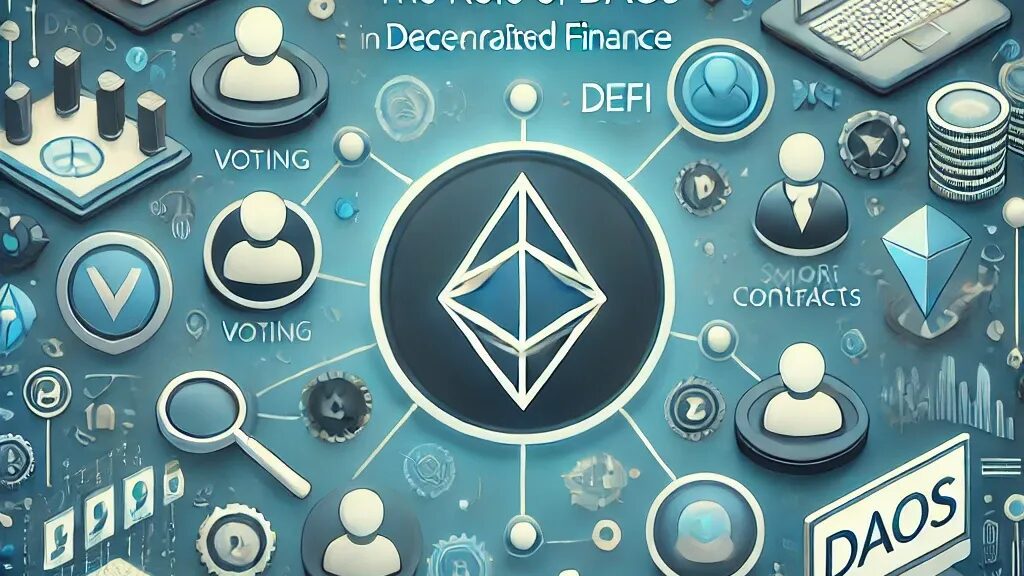
DeFi faced setbacks during the bear markets of previous years due to scams, overleverage, and poor user experience. However, by 2025, DeFi is making a comeback—but this time with real-world integration and compliance-first models.
Modern DeFi platforms are:
Offering regulated lending and borrowing services
Building KYC-compatible smart contracts
Enabling real-world asset collateralization
Creating DAO governance mechanisms audited for transparency
With user-friendly interfaces and built-in security tools, DeFi is attracting institutions looking for yield, efficiency, and control. The merger of CeFi (centralized finance) and DeFi into hybrid models marks a pivotal trend for the coming years.
DePIN: Building Physical Infrastructure with Blockchain
DePIN—Decentralized Physical Infrastructure Networks—is one of the emerging Cryptocurrency Trends with massive potential. These projects build real-world infrastructure, like wireless networks, energy grids, and sensor systems, governed and rewarded via crypto.
Examples include:
Helium for decentralized wireless
Filecoin for decentralized cloud storage
DIMO for car telemetry data sharing
By offering economic incentives via tokens, DePIN is decentralizing ownership and operation of physical systems. This could upend industries that were previously monopolized and create more efficient, distributed alternatives.
Web3 and Digital Identity Expansion

Web3 is not just about decentralized apps. It’s becoming the digital layer where identities, credentials, and ownership live. In 2025, crypto wallets act as digital passports with verifiable credentials.
This is being used for:
Online voting in decentralized communities
Accessing private gated content
Storing employment records, academic degrees, and legal IDs
Ethereum Name Service (ENS), Polygon ID, and Worldcoin are some of the protocols pushing this forward. Digital identity will continue to drive blockchain beyond finance into social, healthcare, and enterprise sectors.
Blockchain Gaming & NFTs Enter the Utility Phase
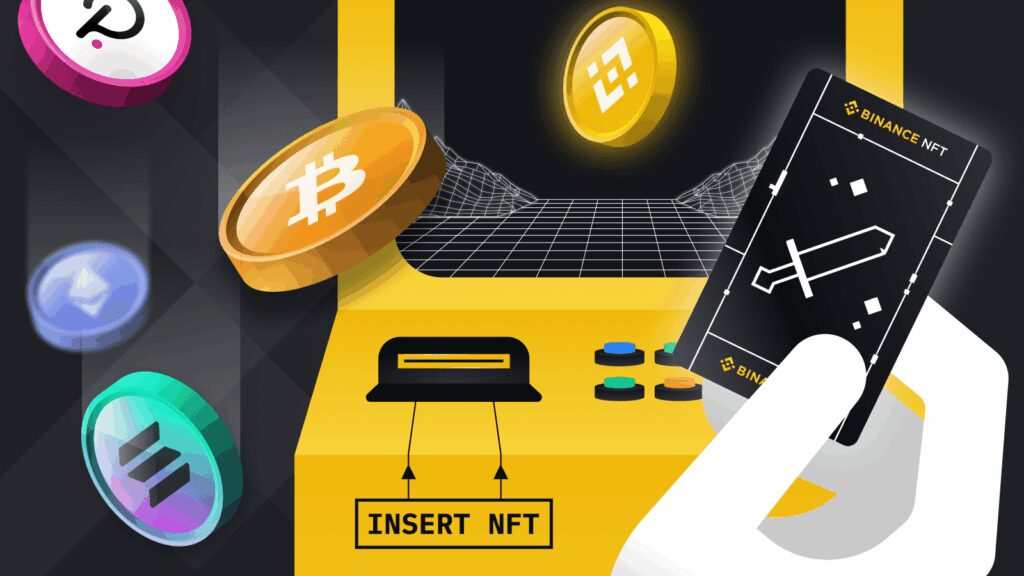
NFTs have evolved from overpriced art into digital tools with real utility. Games in 2025 now reward users with NFTs that act as power-ups, rare gear, or access tokens. These NFTs are tradable, stakable, and sometimes yield-generating.
Blockchain-based games are now developed by AAA studios and built on scalable blockchains like Immutable X, Solana, and Arbitrum.
The NFT infrastructure is also powering ticketing systems, intellectual property licenses, and digital real estate within metaverse projects like Otherside and Decentraland.
Crypto Security, Scams, and Regulation

With increased value and visibility comes risk. One of the unfortunate Cryptocurrency Trends is the rise in AI-driven crypto scams, fake airdrops, phishing attacks, and rug pulls. According to industry watchdogs, scam activity has increased by over 450% compared to 2024.
To counter this, exchanges and wallet providers are:
Using AI-based fraud detection
Building user education platforms
Working closely with regulators to freeze stolen funds
Scams also accelerate calls for stronger regulations and better onboarding standards, creating a more sustainable ecosystem long-term.
Conclusion

The Cryptocurrency Trends of 2025 reflect a maturing industry entering a phase of integration and expansion. Regulation, real-world utility, AI integration, and institutional adoption are redefining the narrative.
Crypto is no longer about short-term speculation. It’s now about rebuilding global infrastructure, transforming access to financial systems, and redefining ownership in the digital age.
For investors, builders, and regulators alike, staying informed and adaptive will be crucial. The blockchain revolution is no longer just a vision—it’s happening now.