
The programming landscape is evolving rapidly as new technologies, frameworks, and industry demands shift development priorities. As we move further into 2025, developers, businesses, and startups must align their skill sets and tech stacks with the most relevant and powerful programming languages. Whether it’s AI, data science, cloud computing, web development, or blockchain, each field is dominated by certain languages that offer specific advantages.
This article will guide you through the top programming languages to use in 2025, why they remain or have become essential, and how they fit into today’s digital ecosystem.
1. Python: Dominance in AI, Data Science, and Automation

Python continues to lead due to its simplicity and extensive libraries. In 2025, it remains the go-to language for:
Artificial Intelligence and Machine Learning – Libraries like TensorFlow, PyTorch, and Scikit-learn make Python ideal for AI development.
Data Science and Analytics – With tools like Pandas and NumPy, Python supports complex statistical modeling and data analysis.
Automation and Scripting – Its readable syntax makes automation tasks faster and easier.
Python’s community support and its use across multiple domains ensure it remains a core language for new projects.
2. JavaScript: Web Development's Core Pillar

Despite the rise of newer frontend technologies, JavaScript holds strong in 2025 as a critical language for:
Frontend Development – Frameworks like React, Vue.js, and Angular keep evolving.
Backend Development – Node.js enables full-stack development using JavaScript.
Progressive Web Apps (PWAs) – JavaScript is essential for building dynamic, app-like experiences on the web.
JavaScript’s widespread browser support and growing ecosystem make it a non-negotiable skill for modern developers.
3. TypeScript: The Strongly-Typed Future of JavaScript

TypeScript, a superset of JavaScript, has surged in popularity for large-scale applications. In 2025, it’s especially favored by enterprises and development teams for:
Scalability – Static typing reduces bugs and improves maintainability in large codebases.
Tooling Support – Integration with modern IDEs makes development smoother.
Better Code Quality – Type inference and annotations help prevent runtime errors.
As applications become more complex, TypeScript becomes a must-have skill in the developer’s toolkit.
4. Java: Steady Force in Enterprise and Android Development
While some see Java as aging, it remains highly relevant in 2025 due to:
Enterprise Applications – Java is still a top choice for large-scale enterprise systems.
Android Development – Even with Kotlin’s rise, Java remains widely used.
Cloud and Microservices – Frameworks like Spring Boot enable rapid development of scalable services.
Its long-standing performance, security features, and backward compatibility make Java a dependable choice.
5. Kotlin: The Future of Android and Multiplatform Development

Kotlin has matured into a modern language that excels in:
Android Development – Officially supported by Google, Kotlin is now the preferred language over Java.
Multiplatform Projects – Kotlin Multiplatform allows sharing code between Android, iOS, and backend.
Concise Syntax – Less boilerplate means faster development and fewer errors.
In 2025, Kotlin is a smart investment for developers targeting mobile and cross-platform ecosystems.
6. Go (Golang): Performance and Simplicity at Scale

Go has established itself as a favorite for backend and systems programming because of:
High Concurrency – Go handles thousands of processes simultaneously with ease.
Fast Compilation – Developers enjoy short build times, increasing productivity.
Cloud-Native Development – Kubernetes and Docker, both written in Go, cement its role in DevOps and cloud-native applications.
Its minimal syntax and powerful standard library make it a rising choice for modern software architecture.
7. Rust: Memory Safety Meets High Performance

Rust is gaining significant traction in 2025 for systems programming and performance-critical applications. Its key benefits include:
Memory Safety – Prevents bugs like null pointer dereferencing without garbage collection.
High Performance – Comparable to C/C++ with more modern syntax and security.
Growing Ecosystem – Used by major companies like Mozilla, Dropbox, and Microsoft.
Rust is becoming the new standard for safe, low-level programming and is increasingly used in operating systems, game engines, and IoT.
8. Swift: The Power Behind Apple Ecosystem
For developers targeting the Apple ecosystem, Swift remains indispensable in 2025:
iOS and macOS Apps – Native app development with fast performance and clean syntax.
SwiftUI – Streamlines UI development across all Apple platforms.
Safety and Speed – Combines the speed of compiled languages with modern programming safety.
As Apple continues to expand its hardware and software integration, Swift remains key for mobile app developers.
9. SQL: Still Essential for Data Handling
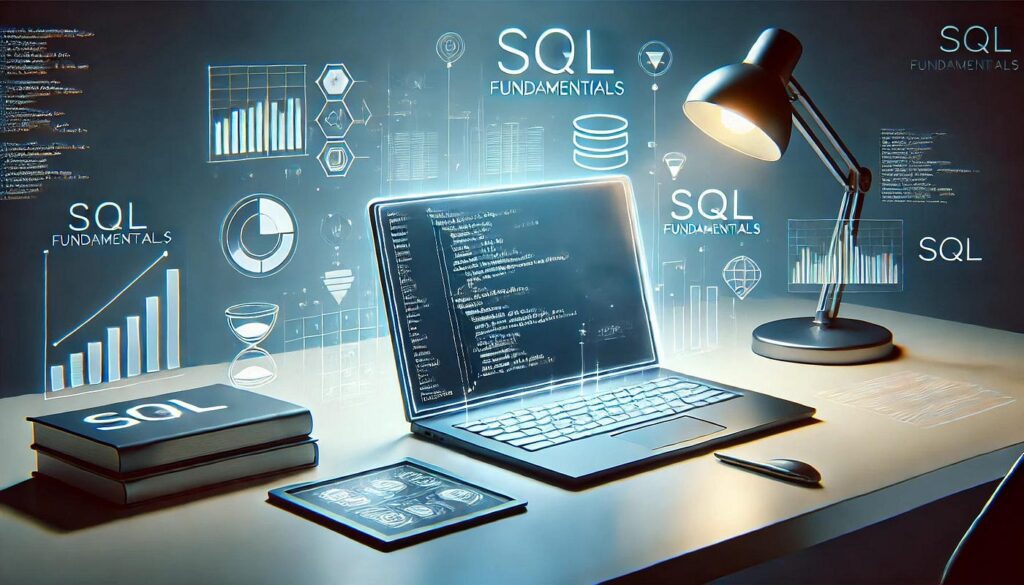
Despite not being a general-purpose programming language, SQL is foundational for:
Database Management – Essential for querying and managing relational databases.
Data Analytics – Plays a central role in BI tools and data warehouses.
Integration with Programming Languages – Used with Python, Java, and more for data-driven applications.
SQL will continue to be an irreplaceable tool in backend systems and data engineering workflows.
10. C#: Enterprise and Game Development Favorite
C# continues to shine in 2025 due to:
.NET 7+ Framework – A unified development platform for web, desktop, mobile, and cloud applications.
Game Development – Unity, the world’s most-used game engine, is based on C#.
Enterprise Apps – Still a go-to for Windows and Azure-based business applications.
Its strong IDE support (Visual Studio) and rich set of libraries make it a compelling choice for developers.
Emerging Languages to Watch in 2025
Julia
Used primarily in high-performance numerical computing, Julia is gaining traction in data science and scientific applications.
Dart
With Flutter’s cross-platform appeal, Dart continues to grow among mobile app developers.
Elixir
Functional, concurrent, and scalable—Elixir is becoming more popular in real-time applications such as chat apps and financial services.
How to Choose the Right Language in 2025
Choosing a language depends on your goals, industry, and project scope. Here are some guiding factors:
Career Goals – For AI, Python is a must; for mobile apps, learn Kotlin or Swift.
Community Support – Languages with strong communities (like Python and JavaScript) offer better learning and support.
Project Requirements – Consider language performance, ecosystem, and integrations.
Ease of Learning – Some languages are beginner-friendly (like Python and JavaScript), while others have steeper learning curves.
Conclusion

As of 2025, the programming world is more diverse and specialized than ever before. Whether you’re entering the field, switching paths, or upskilling, focusing on the top programming languages will give you a competitive advantage.
From Python’s machine learning dominance to Go’s backend performance, and Rust’s safety-first approach, each language brings its strengths to the table. What matters most is aligning the language with your goals, the project’s scope, and the technological direction of your chosen field.