
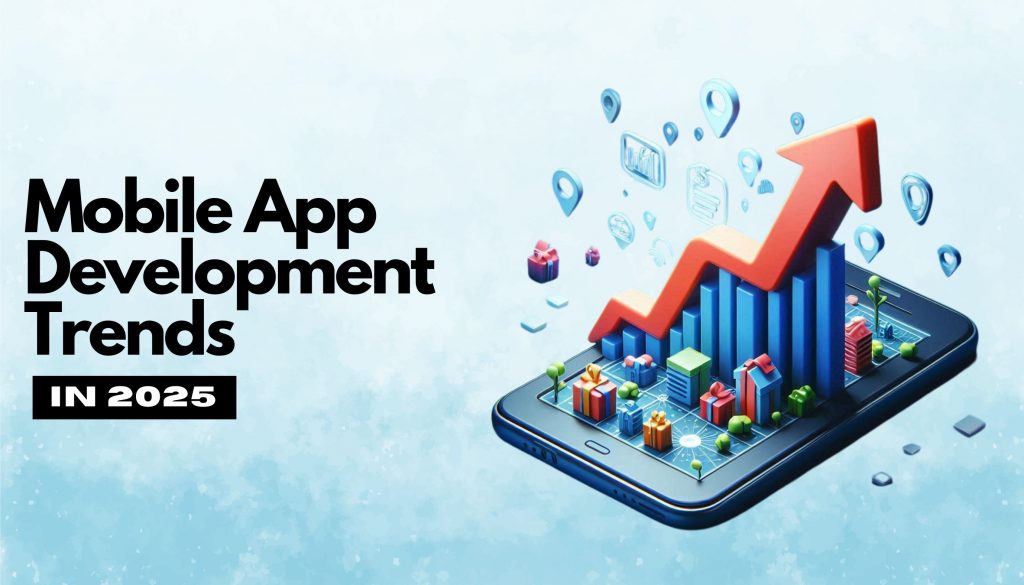
Mobile app development in 2025 continues to evolve rapidly as emerging technologies and user expectations reshape the digital landscape. As businesses compete to offer seamless, intuitive, and intelligent mobile experiences, keeping up with the latest trends has never been more essential.
If you’re planning to build or upgrade a mobile app, understanding where the industry is heading will help you align your strategy with current demands. In this article, we’ll explore the top 10 trends in mobile app development in 2025 that are shaping the future of mobile technology.
1. AI and Machine Learning Integration

AI and ML are revolutionizing mobile app development in 2025, enabling apps to learn user behavior, predict preferences, and automate complex tasks. From personalized content recommendations to intelligent chatbots and real-time voice recognition, these technologies are enhancing app performance and personalization. Developers are using tools like TensorFlow Lite and Core ML to integrate AI directly into mobile devices, reducing latency and improving user experience.
2. 5G Technology Expansion

The rollout of 5G networks is another game-changer for mobile app development in 2025. With significantly faster data speeds and lower latency, 5G enables developers to build more sophisticated apps that support real-time features like streaming 4K video, immersive gaming, AR/VR applications, and high-speed downloads. This opens doors for app categories that were previously bandwidth-limited.
3. Cross-Platform App Development
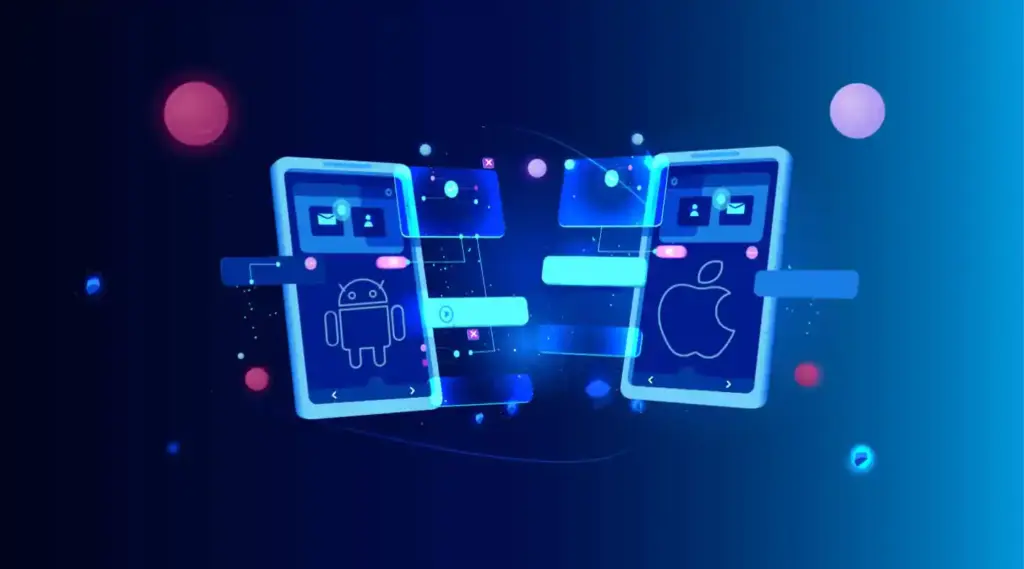
Cross-platform development frameworks like Flutter, React Native, and Kotlin Multiplatform continue to gain popularity in 2025. Businesses want to build apps faster and more cost-effectively for both iOS and Android. By writing code once and deploying it across platforms, developers can ensure consistent UX while reducing development time and maintenance costs.Lorem ipsum dolor sit amet, consectetur adipiscing elit. Ut elit tellus, luctus nec ullamcorper mattis, pulvinar dapibus leo.
4. AR and VR Experiences

Augmented reality (AR) and virtual reality (VR) are no longer just for gaming. In 2025, they are widely used in retail, real estate, education, and healthcare apps. With Apple’s Vision Pro and Android’s growing ARCore toolkit, developers can craft highly immersive experiences such as 3D product visualizations, virtual property tours, and interactive training simulations—all directly within mobile apps.
5. Voice User Interfaces (VUIs)

Voice technology is becoming an integral part of mobile apps. Thanks to advances in AI and natural language processing, VUIs in 2025 offer hands-free, intuitive navigation. Smart voice assistants like Siri, Alexa, and Google Assistant are integrated into apps for tasks like setting reminders, ordering food, or sending messages. Mobile app developers are optimizing UI design to support conversational interactions.
6. Progressive Web Apps (PWAs)
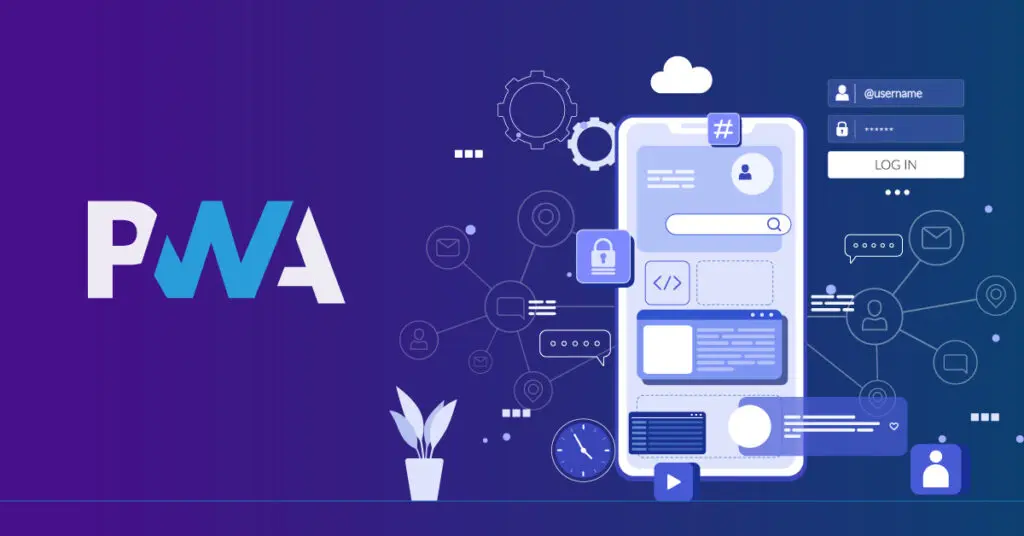
PWAs are web applications that behave like native mobile apps. In 2025, they remain a strategic choice for businesses seeking high-performance, installable apps with lower development costs. PWAs offer offline access, push notifications, and responsive design. Their growing compatibility with Android and iOS ecosystems makes them a strong alternative to native development.
7. Blockchain Integration

Security, transparency, and decentralization make blockchain a strong trend in mobile app development in 2025. While mostly associated with finance, blockchain is now used in supply chain management, voting apps, digital identity verification, and more. Apps with smart contracts and decentralized data storage enhance trust and reduce fraud.
8. On-Demand Apps and Super Apps
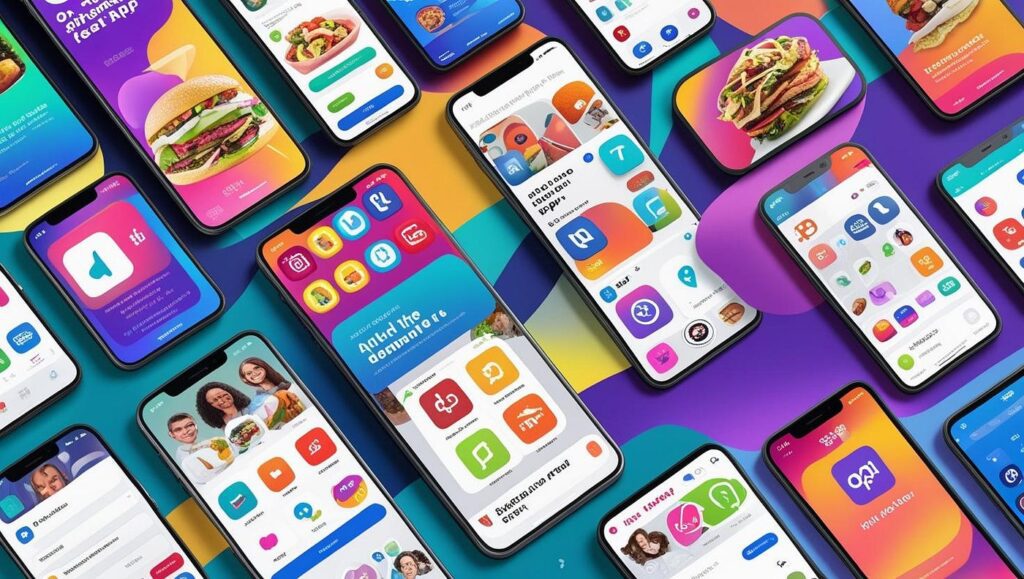
On-demand service apps, from ride-hailing to food delivery and home services, remain dominant. In 2025, super apps are gaining traction, especially in Asia and emerging markets. These platforms combine messaging, payments, shopping, and entertainment in a single app, allowing businesses to expand functionality without forcing users to download multiple applications.
9. Privacy-First App Design
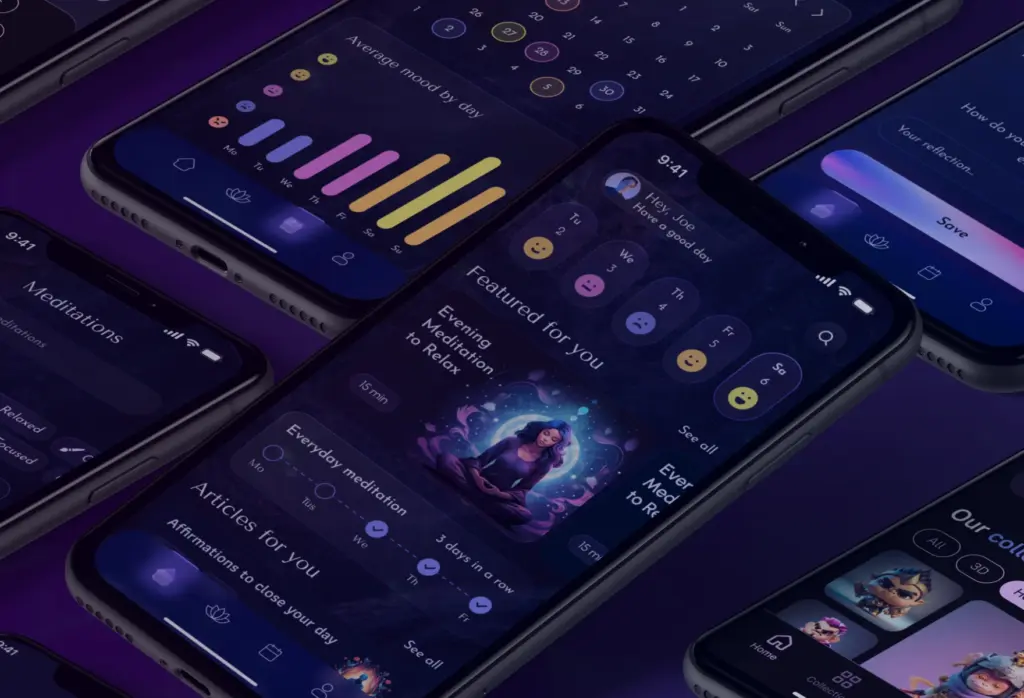
User privacy is now a competitive advantage. With stricter regulations like GDPR and CCPA, developers in 2025 prioritize data encryption, anonymous authentication, and user consent. Apple’s App Tracking Transparency and Google’s Privacy Sandbox are leading efforts to protect user data. Mobile apps now offer privacy dashboards and allow users to control how data is collected and used.
10. Edge Computing in Mobile Apps
Edge computing brings data processing closer to the user’s device rather than relying on centralized cloud servers. This trend improves response time, reduces server load, and enhances offline capabilities. In mobile apps, edge computing is used for real-time analytics, facial recognition, IoT management, and AR experiences that demand instant feedback.
Why These Trends Matter in Mobile App Development
Each trend in mobile app development in 2025 reflects a larger shift toward faster, smarter, and more secure user experiences. As mobile apps become central to daily life, developers must embrace innovation to stay ahead of competition and meet rising expectations.
These emerging trends aren’t just passing fads—they represent the direction of mobile software as a whole. Businesses that align with these trends will deliver more engaging, efficient, and future-ready applications.
Final Thoughts
The field of mobile app development in 2025 is dynamic, with constant innovations transforming how users interact with mobile technology. By adopting AI, leveraging 5G, exploring cross-platform development, and focusing on user privacy, developers and businesses can create impactful mobile solutions that thrive in a competitive market.
Whether you’re developing a new app or upgrading an existing one, staying informed about these mobile trends ensures you remain relevant and competitive in a fast-paced digital world.