
Blockchain Node Providers play a vital role in the blockchain ecosystem by offering simplified, scalable, and secure access to blockchain networks. While blockchain technology underpins digital currencies like Bitcoin and Ethereum, its potential extends far beyond that—powering everything from decentralized finance (DeFi) platforms to enterprise applications.
To interact with any blockchain network, you need access to a node. However, maintaining your own node requires technical skills, constant upkeep, and substantial computing resources. This is where blockchain node providers come in, making it easier for individuals and businesses to tap into the power of blockchain.
In this guide, we’ll explore what blockchain nodes are, the types of node providers available, key features to consider, and how to choose the right provider for your needs.
What Are Blockchain Nodes?
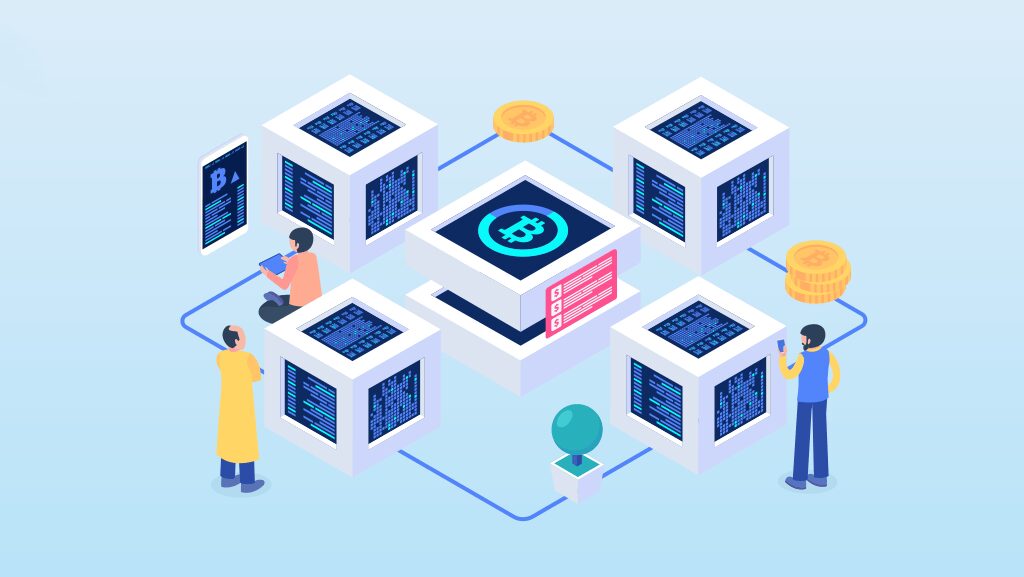
A blockchain node is any computer that participates in a blockchain network by storing, validating, and broadcasting transactions. Nodes are fundamental to the decentralized nature of blockchain—they help maintain the integrity and consistency of data across the network.
Why Not Run Your Own Node?
While it’s technically possible to run your own node, doing so can be challenging:
It demands advanced technical skills.
Nodes require constant updates and monitoring.
Hardware and infrastructure costs can be high.
For these reasons, many organizations rely on blockchain node providers to handle the technical complexities while they focus on application development and business strategy.
What Is a Blockchain Node Provider?
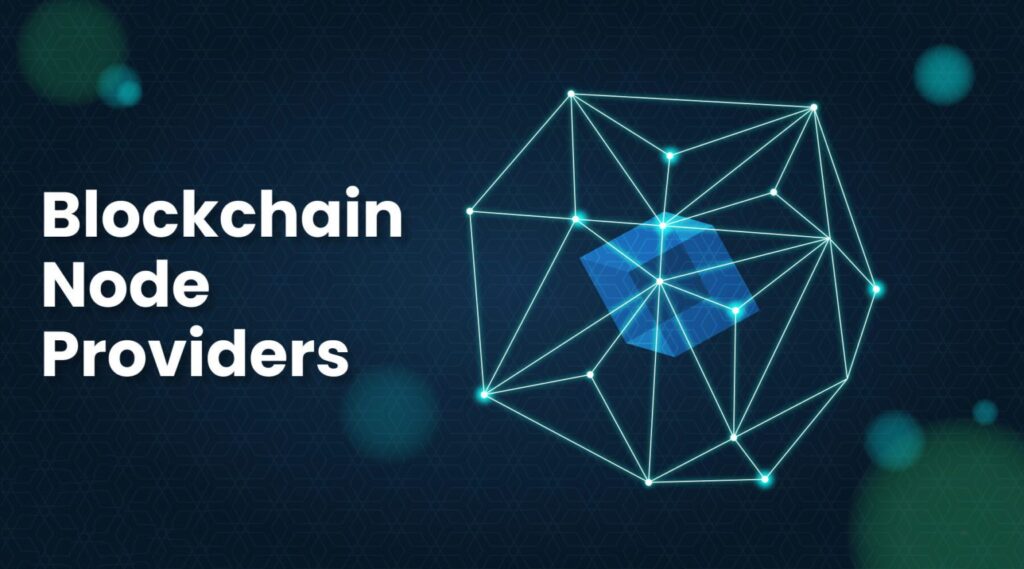
Blockchain Node Providers are third-party services that offer easy access to blockchain networks by hosting and maintaining nodes on behalf of their users. These providers abstract away the operational complexity and offer ready-to-use infrastructure through APIs, dashboards, and toolkits.
Key Benefits of Using a Node Provider
Simplicity: No need to install, configure, or update software manually. You can connect to a blockchain network with minimal effort.
Cost Efficiency: Eliminates the need for costly servers, power, and technical maintenance.
Reliability: Professional infrastructure ensures high uptime, faster syncing, and continuous availability.
Scalability: Node providers can scale resources automatically as traffic and usage grow.
Multi-Network Access: Many providers support multiple blockchain protocols, offering versatility for developers working with various ecosystems.
Types of Blockchain Node Providers
Depending on the blockchain use case, several types of node providers exist. Let’s break down the most common categories.
1. Public Node Providers
These providers grant access to nodes on public blockchains like Ethereum, Bitcoin, and Solana. Public node providers are ideal for developers creating decentralized applications (dApps), crypto wallets, or NFT marketplaces.
Offer REST and WebSocket APIs.
Easy integration with popular SDKs and frameworks.
Suitable for real-time blockchain data access and transaction broadcasting.
2. Private Node Providers
Private or permissioned blockchain networks require custom node setups with restricted access. These are commonly used by enterprises for supply chain management, healthcare systems, and consortium blockchains.
Focus on secure, enterprise-level access.
Enable fine-grained permissions, identity management, and internal audit trails.
Often include system integration with ERPs or legacy databases.
3. Managed Node Providers
Managed node services take full responsibility for node lifecycle management—including installation, updates, patches, and monitoring.
Zero DevOps overhead for customers.
Great for businesses building blockchain apps but lacking in-house expertise.
Ensures consistent uptime and health of blockchain infrastructure.
4. Cloud Node Providers
These providers host nodes on cloud platforms like AWS, Google Cloud, or Microsoft Azure. They combine the flexibility of cloud infrastructure with blockchain-specific tooling.
Offer scalable, on-demand node hosting.
Ideal for teams needing rapid deployment and geographic distribution.
Enable pay-as-you-go pricing, reducing CapEx.
Features Offered by Blockchain Node Providers
When evaluating Blockchain Node Providers, consider the range of services they provide to support developers and enterprises alike.
Node Deployment
Providers make it easy to launch full or light nodes with a few clicks or API calls. They ensure the node is properly synced and maintained with the chosen network.
Security Measures
Top-tier providers implement layered security, including:
End-to-end encryption
DDoS protection
Role-based access control
Frequent vulnerability audits
This ensures data integrity and compliance, especially in industries handling sensitive information.
Monitoring and Maintenance
Providers offer real-time dashboards and automated alerts for performance issues or failures. Routine maintenance and proactive updates keep nodes stable and reliable.
Scalability
Scalable infrastructure is critical for blockchain applications experiencing rapid growth. Providers offer auto-scaling and load balancing to manage spikes in traffic efficiently.
Technical Support
Reliable support, often available 24/7, ensures that any node-related issues are resolved quickly. Many providers offer dedicated technical account managers for enterprise clients.
How to Find the Right Blockchain Node Provider
Choosing the right provider requires a thoughtful evaluation of your project’s specific needs. Here are the key criteria to consider:
Network Compatibility
Ensure the provider supports the blockchain protocol(s) your application depends on—whether it’s Ethereum, Solana, Hyperledger, or others.
Security Practices
Evaluate the provider’s security stack. Encryption standards, compliance certifications, and audit histories are essential for trustworthiness.
Scalability
Your chosen provider should be able to scale with your application’s growth. Look for auto-scaling infrastructure and modular pricing models.
Pricing Structure
Review the cost of different service tiers. Avoid providers that lack transparent pricing or charge for basic features like API access or logging.
Uptime and Reliability
A provider’s Service Level Agreement (SLA) should offer at least 99.9% uptime. Downtime can lead to transaction delays or loss of user trust.
How to Choose the Best Blockchain Node Provider
Selecting the best node provider involves more than just comparing prices. Consider these final points to make an informed decision:
Industry Experience
A provider with experience in your industry—whether finance, healthcare, or gaming—is more likely to understand your needs and offer tailored solutions.
SLAs and Contracts
Examine SLAs carefully. They define expectations around support availability, maintenance windows, incident response times, and performance guarantees.
Scalability Planning
Think ahead. Choose a provider that can support your project as it expands across multiple chains, user bases, and geographies.
Developer and Community Support
Active developer forums, open-source SDKs, and detailed documentation are signs of a provider invested in helping users succeed.
Conclusion

Blockchain Node Providers are indispensable for projects aiming to interact with blockchain networks efficiently and securely. Whether you’re launching a DeFi platform, integrating smart contracts, or building enterprise-grade systems, node providers eliminate the technical hurdles so you can focus on innovation.
By understanding the types of providers, features they offer, and how to evaluate them, you can select a provider that aligns with your goals.
If you’re seeking a trusted partner to assist with blockchain node deployment, management, and technical support, Progressive Robot is here to help. Our experts are ready to guide you through the process and provide infrastructure that scales with your ambitions.
Contact Progressive Robot today to take your blockchain project to the next level.