

Handling a large number of transactions smoothly is crucial for any digital payment system. Whether you run an online store, a subscription service, or a peer-to-peer payment app, your system must grow without losing performance.
To design a scalable payment system, you need a strong foundation that can expand as your business grows. This article explains the key principles and best practices to build a payment system that stays fast, reliable, and efficient under increasing demand.
What Is a Scalability Attribute in Payment System Architecture?
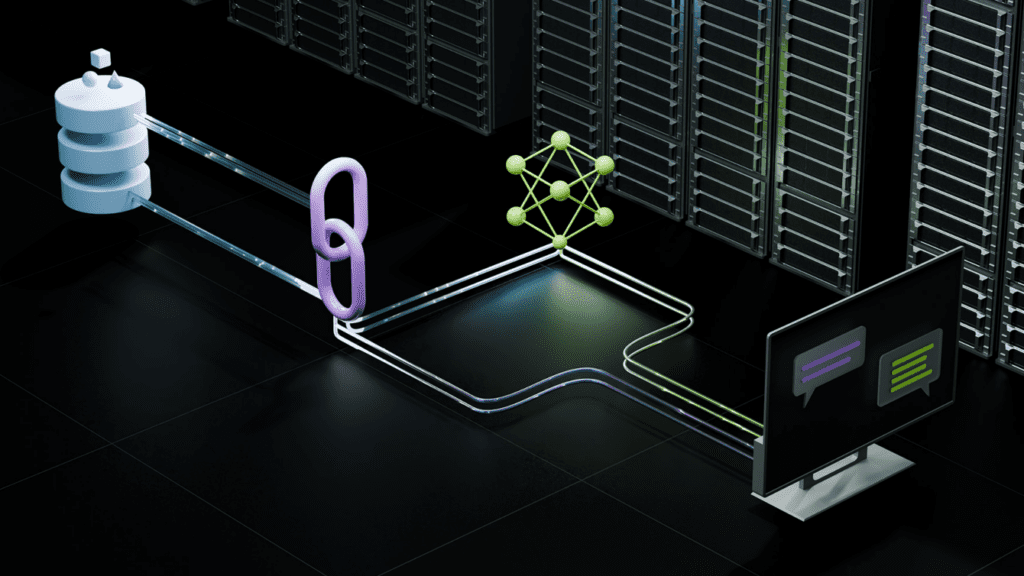
Scalability in software architecture means a system can handle more work, users, or data without slowing down. A scalable payment system adjusts easily to growth, ensuring smooth transactions even as demand increases.
Modern businesses need scalable infrastructure because user numbers and transaction volumes can rise quickly. Without scalability, systems may crash, respond slowly, or fail under heavy loads. This leads to poor user experience and lost revenue.
There are two main ways to scale a payment system. Vertical scaling adds more power to a single server, like extra CPU or RAM. This works for short-term needs but becomes expensive and limited over time.
Horizontal scaling adds more servers to share the workload. This method is more flexible and cost-effective for long-term growth. A well-designed scalable payment system often uses both approaches to maintain efficiency.
Understanding the Basic Payment Workflow and Creating User Scenarios

Before building a scalable payment system, you must understand how payments work. A typical payment process includes user authentication, payment processing, transaction recording, and confirmation.
Creating user scenarios helps test real-world interactions. For example, a successful payment scenario starts when a user selects a product. They log in, enter payment details, and submit the request.
The system checks if the user has enough funds and verifies other security rules. Once approved, the payment processes, and both user and merchant receive confirmation. Some checks, like fraud detection, may take longer but should not delay the initial response.
By mapping these steps, you can identify where scalability is needed most. This ensures your payment system remains fast and reliable even during peak times.
Setting Up Non-Functional Requirements: DAU, Data Load, Latency

To design a scalable payment system, you must define non-functional requirements. These set performance standards and help plan for growth. Three key requirements are Daily Active Users (DAU), data load, and latency.
DAU estimates how many users will interact with the system daily. This helps predict server load and necessary resources. A growing business must ensure its payment system can handle increasing DAU without slowdowns.
Data load refers to the amount of transaction and user data processed. A scalable payment system must store and retrieve this data quickly. Proper database design and caching strategies help manage large data volumes efficiently.
Latency measures system response times. Users expect instant payment confirmations. High latency frustrates customers and can lead to abandoned transactions. Optimizing code, servers, and network speeds keeps latency low.
Analysis of Integrations with SLA Provided. Getting Information About Provider Limits
A scalable payment system often relies on third-party services like payment gateways. Analyzing their Service Level Agreements (SLAs) ensures they meet your performance needs.
First, identify all external services your system uses. Then, review their SLAs for uptime guarantees, response times, and transaction success rates. Providers with low reliability can become bottlenecks in your payment system.
Check if providers can scale with your business. Some impose transaction limits that could hinder growth. Also, verify their security and compliance standards to protect user data.
Good support and clear API documentation are also important. A scalable payment system depends on smooth integrations. Choosing reliable partners prevents disruptions as transaction volumes increase.
Finding Potential Bottlenecks. Creating a Scalability Plan for Persistent Storages, Compute Instances
Bottlenecks slow down systems and limit scalability. Identifying them early helps optimize performance. Common bottlenecks occur in databases and server resources.
Persistent storage, like databases, must handle high read/write speeds. Slow queries delay transactions. Techniques like indexing, sharding, and read replicas improve database performance in a scalable payment system.
Compute instances (servers) must adjust to workload changes. Auto-scaling adds or removes servers based on demand. This ensures smooth operations during traffic spikes without wasting resources during quiet periods.
A good scalability plan monitors these areas and applies fixes before problems arise. Regular load testing helps find weak points before they affect users.
Implementing Scalability for Hot Spots Using a Wide Selection of Tools
Hot spots are parts of the system that face heavy traffic. A scalable payment system must distribute this load efficiently. Several tools and techniques help achieve this.
Vertical scaling upgrades server capacity, while horizontal scaling adds more servers. A mix of both ensures flexibility. Microservice architecture breaks the system into independent modules, allowing targeted scaling.
Load balancers spread traffic evenly across servers, preventing overload. Auto-scaling adjusts resources automatically based on real-time demand. Serverless computing handles specific tasks without managing servers, reducing costs.
Caching stores frequently accessed data for quick retrieval, easing database pressure. Database replication creates copies of data to speed up read operations. Message queues manage communication between services, improving efficiency.
API gateways streamline request handling, and CDNs deliver content faster by caching it globally. Using these tools ensures a scalable payment system performs well under any load.
Implementing a Lightweight API Payment Worker and Transaction Processing Service
A lightweight API payment worker improves scalability by handling payments asynchronously. Instead of processing payments in real-time, it manages them in the background.
This lets the main system respond quickly to users while the worker completes complex tasks. It reduces delays during peak times and keeps the system responsive.
A transaction processing service ensures payments are secure and accurate. It validates transactions, checks for fraud, and confirms fund transfers. Separating this from the main system enhances reliability.
Together, these components create a scalable payment system that grows with your business. They ensure fast, secure transactions even as user numbers and transaction volumes increase.
Conclusion

Designing a scalable payment system is essential for any growing business. A well-built system handles increasing transactions without slowing down or crashing.
Key steps include understanding payment workflows, setting performance requirements, and choosing reliable third-party services. Identifying bottlenecks early and using scaling tools ensures smooth operations.
Techniques like microservices, load balancing, and asynchronous processing improve efficiency. Regular testing and updates keep the system optimized for future growth.
If you need help building a scalable payment system, contact Progressive Robot. Our experts develop custom payment solutions that grow with your business.