
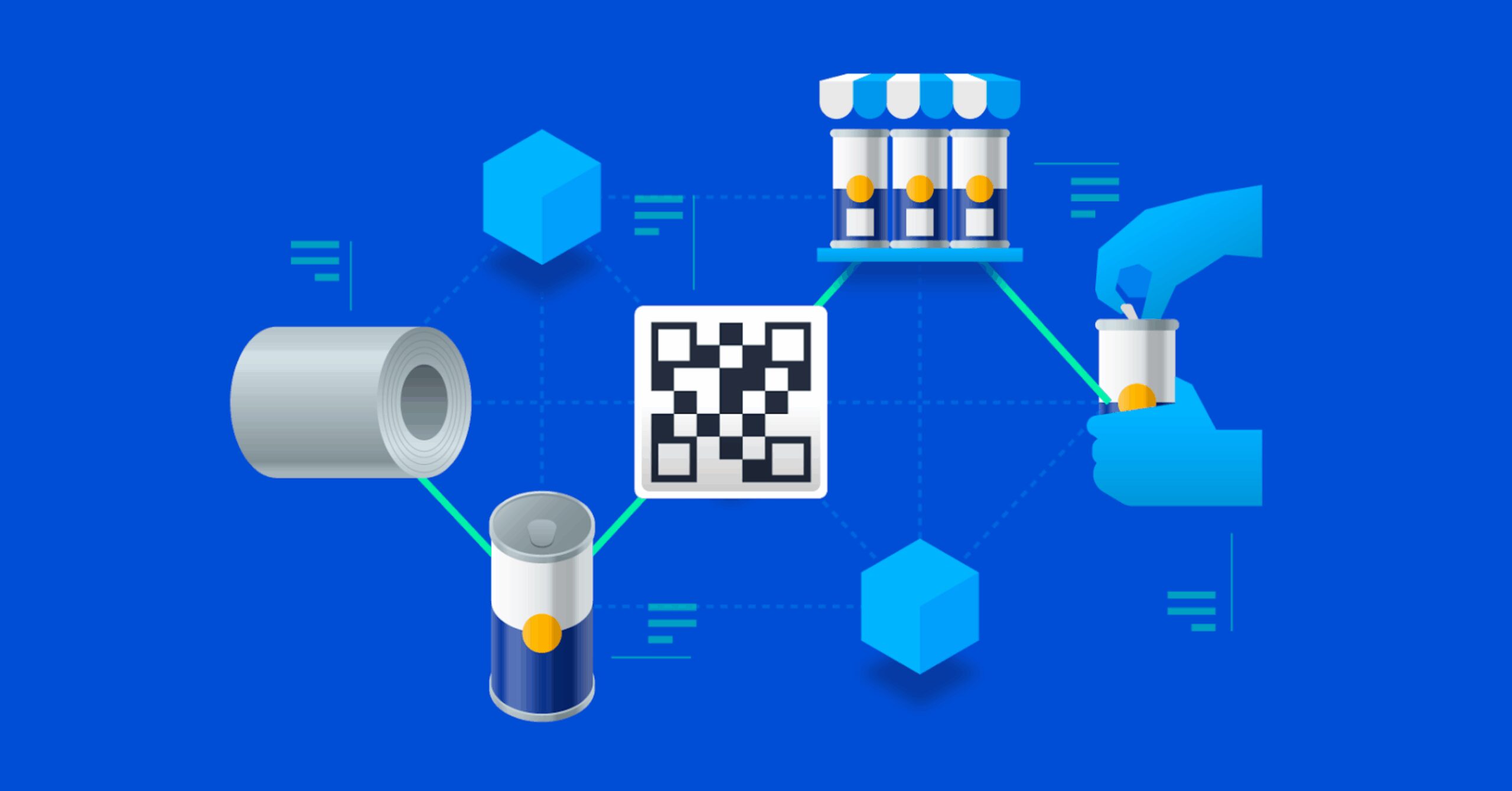
Blockchain technology continues transforming industries worldwide. Many businesses now seek blockchain software development services. These solutions improve security and transparency across operations. However, integrating blockchain presents unique challenges.
A blockchain connector bridges traditional systems with decentralized networks. It enables smooth data exchange between different environments. This article explains how to build an efficient blockchain connector. We cover key components, best practices, and future trends.
Defining a Blockchain Connector

A blockchain connector acts as a communication bridge. It links centralized databases with blockchain networks. This allows businesses to use blockchain benefits without overhauling systems. The connector handles data translation and transfer securely.
Modern blockchain connectors perform two-way synchronization. They push company data onto blockchain ledgers. They also pull blockchain information into business applications. This creates a continuous information flow between systems.
Good blockchain connectors maintain data integrity throughout transfers. They convert formats between different system requirements. The best solutions work invisibly behind existing workflows. Employees use familiar interfaces while gaining blockchain advantages.
Key Components of an Effective Blockchain Connector

Building a reliable blockchain connector requires several essential elements. Each component addresses specific integration challenges. Together they create a robust connection solution.
Security Mechanisms
Blockchain connectors need military-grade protection. They handle sensitive data moving between systems. Encryption must guard all transmission channels. Digital signatures verify transaction authenticity.
Access controls prevent unauthorized data movements. Identity management tracks all connector activities. Audit logs record every data transfer attempt. Security protocols must meet industry compliance standards.
Data Consistency
Information must match across all connected systems. Blockchain connectors enforce data synchronization rules. They detect and resolve discrepancies automatically. Version control prevents conflicting updates.
Timestamping ensures proper transaction ordering. Checksums validate complete data transfers. Reconciliation processes fix any mismatches. Consistent data builds trust in the integrated system.
Smart Contract Integration
Blockchain connectors interact with smart contracts frequently. They translate business triggers into contract executions. Results return through the same pathway.
Connectors monitor contract states continuously. They notify systems about completed actions. Failed transactions trigger automatic retries. This automation reduces manual work significantly.
Scalability
Blockchain connectors must handle growing workloads. They should process more transactions without slowing down. Queue management prevents system overloads.
Modular designs allow easy capacity upgrades. Load balancing distributes work evenly. Caching improves response times during peaks. Scalable connectors support business growth smoothly.
Interoperability
Modern businesses use many software systems. Blockchain connectors must work with various platforms. Standard protocols enable broad compatibility.
API gateways handle different interface types. Data transformers adjust formats automatically. Protocol converters bridge communication gaps. Flexible connectors future-proof investments.
Event Handling
Blockchain connectors respond to system changes instantly. They detect new database entries immediately. Smart contract triggers launch predefined actions.
Event queues manage high activity periods. Priority systems handle urgent transactions first. Notifications keep users informed about changes. Responsive connectors maintain real-time synchronization.
Best Practices for Building an Effective Blockchain Connector

Following proven methods ensures connector success. These strategies prevent common development pitfalls. They create reliable, maintainable solutions.
Understand Business Needs
Study existing workflows thoroughly first. Identify pain points blockchain can solve. Map all data flows between systems.
Define clear integration objectives early. Prioritize must-have features over nice-to-have extras. Align connector capabilities with business goals. Purpose-built solutions deliver best results.
Choose the Right Blockchain
Evaluate different blockchain platforms carefully. Consider transaction speeds and costs. Examine smart contract capabilities.
Private blockchains offer more control. Public chains provide decentralization. Hybrid models balance both approaches. Select technology matching business requirements.
API-First Approach
Design connectors around clean APIs initially. Well-defined interfaces simplify future changes. Standardized endpoints ease maintenance.
Document all API specifications completely. Version APIs to support legacy systems. Test interfaces rigorously before implementation. Good APIs enable long-term flexibility.
Layered Architecture
Separate connector functions logically. Isolate security components from business logic. Divide data handling from communication layers.
Modular designs allow partial upgrades. Clear boundaries prevent ripple-effect changes. Layered connectors adapt to new requirements easily.
Testing and Simulation
Create realistic test environments early. Simulate peak transaction volumes. Mimic network interruptions deliberately.
Monitor performance under various loads. Identify breaking points before deployment. Verify data integrity after transfers. Thorough testing prevents production issues.
Node Management Strategy
Evaluate internal versus external node options. Internal nodes offer maximum control. External services reduce infrastructure burdens.
Consider hybrid node architectures. Place critical components internally. Use external services for less sensitive functions. Balance control with convenience appropriately.
Tech Stack Considerations

Selecting appropriate technologies ensures connector success. Choices affect performance and maintenance. Match tools to team skills and needs.
Node.js Implementation
Node.js suits real-time blockchain connectors well. Its event-driven model handles streaming data. Popular libraries simplify blockchain interactions.
JavaScript expertise is widely available. Lightweight processes conserve resources. Node.js scales horizontally effectively. Many blockchain projects use this stack successfully.
Java-Based Solutions
Java offers enterprise-grade stability. Cross-platform support simplifies deployments. Strong typing prevents many runtime errors.
Mature blockchain libraries exist for Java. Thread management handles heavy workloads. Large talent pools support Java development. Mission-critical systems often choose this path.
Alternative Technologies
Python works well for data-heavy connectors. Go language excels in concurrent processing. .NET integrates smoothly with Microsoft ecosystems.
Choose languages matching internal expertise. Consider long-term support requirements. Evaluate community resources available. The right stack boosts productivity significantly.
Addressing Security Challenges
Blockchain connectors face unique security threats. Their position between systems creates vulnerabilities. Proactive measures prevent breaches effectively.
Comprehensive Auditing
Review all connector code thoroughly. Static analysis finds potential weaknesses. Penetration tests simulate real attacks.
Audit smart contracts separately. Check all integration points carefully. Security reviews should occur regularly. Continuous improvement maintains strong defenses.
Key Protection
Private keys enable blockchain access. Store them in hardware security modules. Implement multi-signature requirements appropriately.
Rotate keys periodically as precaution. Monitor key usage patterns closely. Immediate revocation prevents stolen key abuse. Proper key management prevents disasters.
Data Safeguards
Encrypt all sensitive information always. Use current cryptographic standards. Protect data both in transit and at rest.
Mask confidential fields when possible. Implement strict access controls. Log all data access attempts. Defense-in-depth protects critical assets.
Smart Contract Safety
Audit contract code before deployment. Test all possible execution paths. Include failure scenarios deliberately.
Monitor contract activity continuously. Establish upgrade procedures carefully. Isolate contracts from critical functions. Secure contracts prevent costly exploits.
The Future of Blockchain Connectors
Blockchain technology continues evolving rapidly. Connectors must adapt to remain effective. Several trends will shape future developments.
Improved Interoperability
Future blockchain connectors will link more networks. Cross-chain protocols will mature significantly. Standardized interfaces will emerge industry-wide.
Universal adapters will reduce custom coding. Metadata will enable automatic discovery. Semantic translation will improve accuracy. Connected ecosystems will grow seamlessly.
Enhanced Automation
AI will optimize connector performance. Machine learning will predict traffic patterns. Automated scaling will handle load fluctuations.
Self-healing systems will recover from failures. Smart routing will choose best paths dynamically. Automated connectors will require less maintenance.
Simplified Management
Visual tools will configure connectors easily. Templates will accelerate deployments. Dashboards will provide clear insights.
Wizards will guide setup processes. Analytics will suggest improvements automatically. User-friendly interfaces will democratize access.
Regulatory Adaptation
Connectors will incorporate compliance features. Privacy protections will strengthen further. Audit capabilities will expand continuously.
Regional rule differences will auto-detect. Reporting will generate automatically. Compliance-ready connectors will reduce legal risks.
Conclusion

Blockchain connectors enable practical blockchain adoption. They bridge old and new systems effectively. Properly built connectors deliver real business value.
Following best practices ensures successful implementations. Security must remain top priority always. Future-ready designs protect investments long-term.
Progressive Robot specializes in blockchain integration solutions. Our experts build secure, efficient blockchain connectors. We help businesses harness blockchain’s full potential.