

Blockchain technology continues transforming digital transactions globally. Blockchain Node Providers enable seamless network participation without infrastructure headaches. These services power decentralized applications efficiently.
Understanding Blockchain Node Providers helps businesses leverage blockchain benefits. This guide explores provider types, key features, and selection criteria. We examine how they simplify blockchain adoption.
Progressive Robot offers expert blockchain solutions. Their Blockchain Node Providers expertise helps clients deploy robust networks. Let’s explore this critical ecosystem component.
Understanding Blockchain Nodes
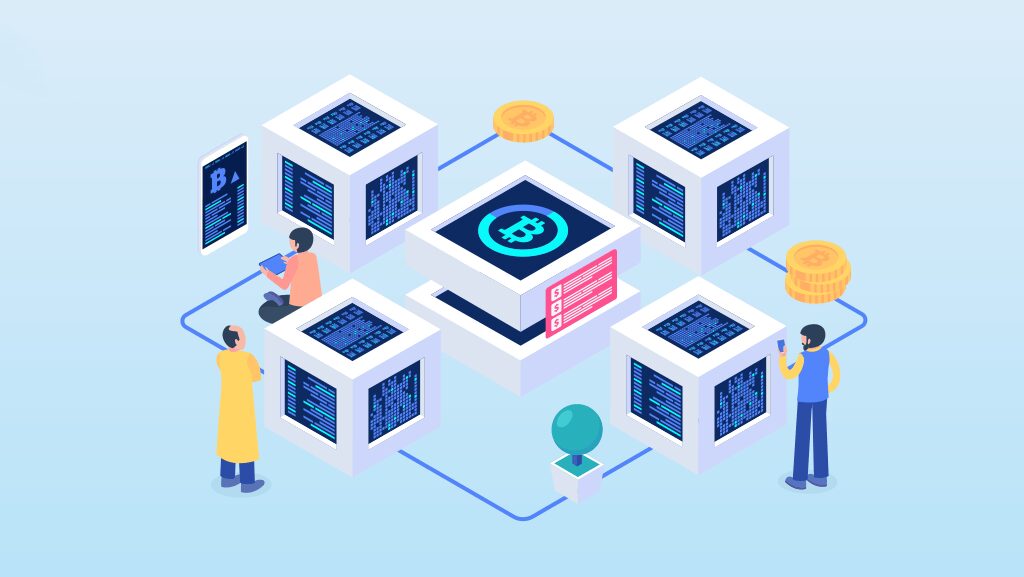
Nodes form blockchain networks’ backbone. They validate transactions and store ledger copies. Each node maintains network integrity through consensus.
Running personal nodes requires significant resources. Hardware costs and technical expertise create barriers. Maintenance demands constant attention.
Blockchain Node Providers solve these challenges effectively. They handle infrastructure complexities professionally. Users access full node benefits easily.
Nodes come in different types and functions. Full nodes validate all transactions completely. Light nodes rely on others for verification.
Choosing proper node access impacts performance. Blockchain Node Providers offer optimized solutions. They match needs with appropriate configurations.
What Are Blockchain Node Providers?
Blockchain Node Providers offer managed node services. They eliminate personal node operation hassles. Businesses connect to networks instantly.
These services provide reliable blockchain access. APIs enable seamless integration. Developers focus on building applications.
Key benefits make Blockchain Node Providers attractive. Cost savings come from shared infrastructure. Reliability exceeds personal setups typically.
Providers maintain high availability standards. They distribute nodes geographically. Network latency minimizes effectively.
Security receives professional attention. Regular updates patch vulnerabilities. Monitoring detects anomalies promptly.
Benefits of Using Node Providers
Blockchain Node Providers deliver measurable advantages. These benefits explain their growing adoption. Organizations gain operational efficiencies.
Simplified Blockchain Access
Technical barriers disappear with providers. Complex node configurations become unnecessary. Quickstart options accelerate development.
Documentation guides integration smoothly. Sample code demonstrates implementations. Support teams answer technical questions.
Cost-Effective Participation
Hardware investments become unnecessary. Pay-as-you-go models align with usage. Budgeting becomes predictable.
No dedicated staff requirements exist. Maintenance costs disappear completely. Scaling happens affordably.
Enhanced Reliability
Enterprise-grade infrastructure ensures uptime. Redundant systems prevent failures. Backup power maintains operations.
Network connectivity optimizes performance. Load balancing distributes traffic. Failover mechanisms activate automatically.
Multi-Chain Support
Many providers support numerous blockchains. Switching networks requires minimal effort. Cross-chain development simplifies.
Unified dashboards manage all connections. Consistent APIs work across networks. Documentation covers multiple ecosystems.
Types of Blockchain Node Providers
Different Blockchain Node Providers serve varied needs. Each type offers unique advantages. Understanding categories guides proper selection.
Public Network Providers
These services focus on major blockchains. Ethereum and Bitcoin networks feature prominently. Public access characterizes their offerings.
Developers interact through standardized APIs. Transaction broadcasting happens effortlessly. Network data queries return quickly.
Ideal for decentralized applications. Crypto wallets integrate smoothly. Explorers and analytics tools connect easily.
Private Network Specialists
Enterprise blockchains require different solutions. Permissioned networks need specialized providers. These services emphasize security.
Custom configurations match organizational needs. Access controls implement precisely. Compliance features meet regulations.
Common in supply chain implementations. Healthcare networks benefit particularly. Financial institutions adopt widely.
Managed Service Providers
Full-service options handle everything. Setup, maintenance, and monitoring included. Hands-off operation appeals to businesses.
SLA guarantees ensure performance. Regular reports demonstrate reliability. Upgrades happen seamlessly.
Perfect for resource-constrained teams. Non-technical organizations adopt easily. Mission-critical systems rely on them.
Cloud-Based Solutions
Major cloud platforms offer node hosting. AWS, Google Cloud, and Azure participate. Infrastructure scales elastically.
Global distribution improves latency. Integration with other cloud services helps. Management consoles provide visibility.
Startups leverage these solutions effectively. Variable workloads balance efficiently. Hybrid architectures work smoothly.
Key Provider Features
Blockchain Node Providers differentiate through capabilities. These features determine service quality. Careful evaluation ensures proper matching.
Node Deployment Options
Quick deployment templates save time. Custom configurations accommodate needs. Network synchronization happens automatically.
Multiple client implementations available. Geographic location selection possible. Testnet access aids development.
Advanced Security Measures
Encryption protects data transmission. Firewalls filter malicious traffic. DDoS mitigation maintains availability.
Regular vulnerability scanning occurs. Penetration testing validates defenses. Compliance certifications demonstrate rigor.
Performance Monitoring
Real-time dashboards display metrics. Alert systems notify about issues. Historical data aids analysis.
Resource usage tracking prevents bottlenecks. Network health indicators help troubleshooting. Custom thresholds trigger actions.
Scalability Solutions
Vertical scaling adjusts resource allocation. Horizontal scaling adds node instances. Automatic scaling responds to demand.
Cluster configurations handle load spikes. Caching improves response times. Database optimization occurs continuously.
Developer Support
Detailed documentation accelerates onboarding. Code samples demonstrate integrations. SDKs simplify application development.
Technical support responds promptly. Community forums share knowledge. Regular webinars explain updates.
Choosing the Right Provider
Selecting Blockchain Node Providers requires careful analysis. Multiple factors determine ideal matches. Systematic evaluation prevents problems.
Network Compatibility Check
Verify supported blockchain networks. Check specific client implementations. Ensure testnet availability exists.
Confirm upgrade schedules align. Review network version support. Check archive node options.
Security Evaluation
Examine encryption standards used. Review access control mechanisms. Analyze compliance certifications held.
Understand data protection policies. Check audit report availability. Verify incident response procedures.
Reliability Assessment
Research historical uptime statistics. Check SLA guarantees provided. Review redundancy implementations.
Examine maintenance notification policies. Understand disaster recovery plans. Verify backup procedures.
Cost Analysis
Compare pricing model structures. Identify hidden fee possibilities. Calculate total cost of ownership.
Evaluate free tier limitations. Check volume discount availability. Understand termination conditions.
Support Quality
Test response times practically. Evaluate support channel options. Check documentation completeness.
Review community activity levels. Verify expert assistance availability. Understand escalation procedures.
Implementation Best Practices
Successful Blockchain Node Providers integration follows principles. Proper planning ensures smooth operation. These practices optimize results.
Gradual Rollout Strategy
Begin with testnet deployment. Monitor performance metrics carefully. Progress to mainnet gradually.
Implement staging environments properly. Conduct load testing thoroughly. Verify failover mechanisms work.
Comprehensive Monitoring
Establish performance baselines initially. Configure meaningful alerts appropriately. Track resource usage trends.
Monitor synchronization status constantly. Verify peer connections remain healthy. Check block propagation times.
Security Hardening
Implement IP whitelisting where possible. Rotate API keys regularly. Enforce strong authentication methods.
Restrict RPC methods appropriately. Enable TLS encryption everywhere. Audit permissions frequently.
Documentation Maintenance
Record all configuration changes. Update network specifics regularly. Note special customizations made.
Maintain contact information current. Document troubleshooting procedures. Share knowledge across teams.
Future Trends
Blockchain Node Providers continue evolving rapidly. Emerging technologies shape service improvements. These trends influence future directions.
Decentralized Provider Networks
Node services distribute across participants. Token incentives encourage participation. Censorship resistance increases.
Quality of service remains high. Reputation systems identify reliable nodes. Staking mechanisms ensure commitment.
Zero-Knowledge Enhancements
Privacy-preserving technologies integrate. Transaction details remain confidential. Compliance proofs verify properly.
Scalability improves significantly. Light clients verify proofs efficiently. Mainnet load reduces accordingly.
AI-Powered Optimization
Machine learning predicts resource needs. Anomaly detection identifies issues. Automated tuning improves performance.
Support chatbots handle common queries. Predictive maintenance prevents downtime. Traffic routing optimizes dynamically.
Edge Computing Integration
Node deployment moves closer to users. Latency reduces significantly. Mobile devices participate effectively.
Local data processing increases privacy. Bandwidth usage decreases noticeably. Hybrid architectures emerge.
Conclusion

Blockchain Node Providers enable effortless network participation. They remove technical barriers effectively. Businesses focus on core value creation.
Choosing providers requires careful evaluation. Security, reliability, and cost matter equally. Proper matching ensures success.
Progressive Robot delivers expert node solutions. Our Blockchain Node Providers services power robust applications. Contact us to discuss your project needs.