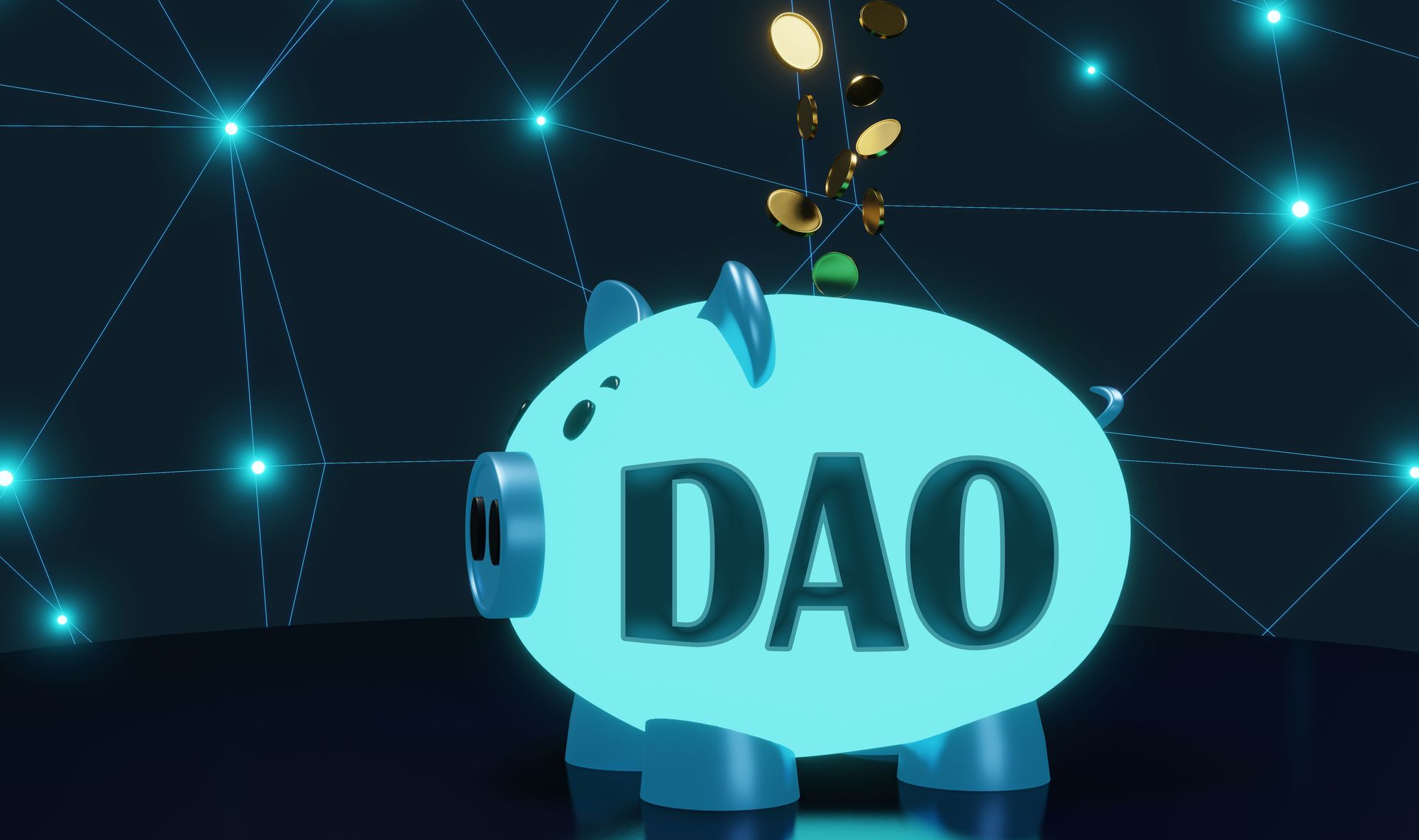
Decentralized Autonomous Organizations (DAOs) are changing how groups make decisions and manage resources. They operate on blockchain technology, removing the need for central control. The role of DAOs is growing in finance, governance, and other industries.
Many people still don’t fully understand how DAOs work. This article explains what DAOs are, how they function, and why they matter. We will also discuss their challenges and future potential. By the end, you will see how the role of DAOs could shape the future of decentralized systems.
What Is a DAO?
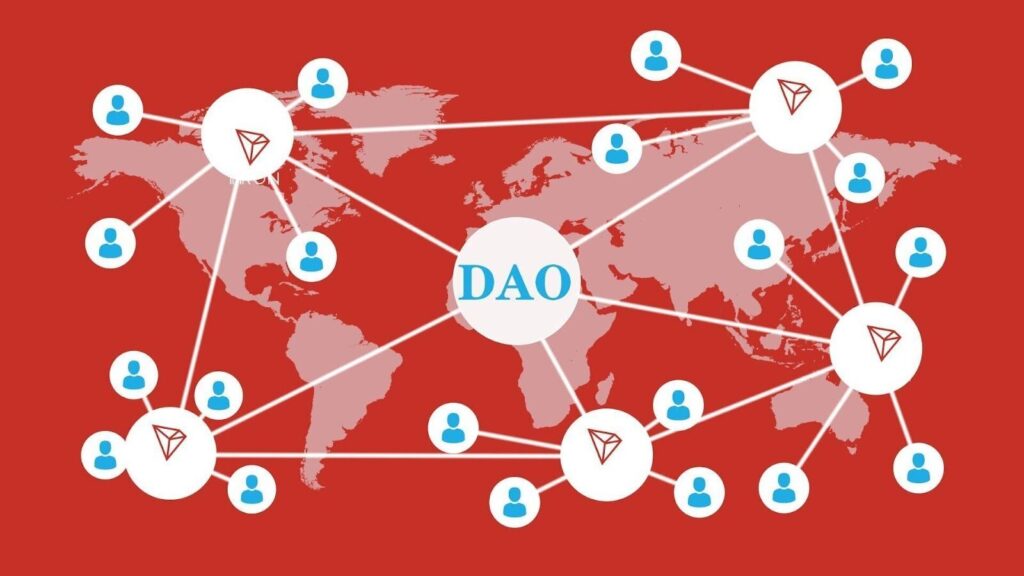
A DAO is a decentralized organization that runs on blockchain technology. Unlike traditional companies, it has no central leader. Instead, decisions are made collectively by members using smart contracts.
The role of DAOs is to enable transparent and democratic governance. Members hold governance tokens that give them voting power. The more tokens they have, the greater their influence on decisions. Smart contracts automatically execute decisions once voting is complete.
DAOs can manage funds, make investments, or govern decentralized applications. They eliminate middlemen, reducing corruption and inefficiency. This makes them ideal for community-driven projects where trust is crucial.
The role of DAOs is still evolving, but their potential is vast. From finance to content creation, they offer a new way for people to collaborate without relying on traditional structures.
The Evolution of DAOs: From Concept to Reality
The idea of DAOs began in 2013, but the first major DAO launched in 2016. Called “The DAO,” it was a crowdfunded investment platform. Unfortunately, hackers exploited a flaw in its code, leading to a major theft.
This incident showed the risks of early DAOs. However, it also pushed developers to improve security. Today, DAOs have stronger smart contracts and better governance models. The role of DAOs has expanded beyond experiments into real-world applications.
Many successful DAOs now exist in decentralized finance (DeFi). They manage protocols, distribute grants, and govern blockchain projects. The role of DAOs in DeFi is particularly strong, as they align with its decentralized principles.
As technology improves, DAOs will become even more reliable. Better security and scalability will help them grow. The role of DAOs in business and governance will likely keep expanding in the coming years.
Governance in DAOs: Empowering Community Decision-Making

One of the biggest advantages of DAOs is their governance model. Unlike traditional organizations, decisions are made by token holders. This gives members direct control over the organization’s future.
The role of DAOs in governance is to ensure fairness and transparency. Proposals are submitted, discussed, and voted on publicly. Smart contracts execute decisions automatically, preventing manipulation. This system reduces corruption and builds trust.
DAOs also allow for flexible governance structures. Some use simple majority voting, while others have more complex systems. The role of DAOs in governance experiments helps find the best models for decentralized decision-making.
However, governance is not always smooth. Disagreements can slow down progress. Some members may have more influence due to larger token holdings. Despite these challenges, the role of DAOs in governance remains revolutionary.
Challenges and Limitations of DAOs

While DAOs offer many benefits, they also face obstacles. One major issue is scalability. As more people join, transactions slow down, and costs rise. Blockchain networks must improve to handle large DAOs efficiently.
Legal uncertainty is another challenge. Different countries have different rules for DAOs. Some regulators treat them as illegal entities, while others are still figuring out how to classify them. The role of DAOs in legal systems needs clearer definitions.
Security risks also remain a concern. Hackers can exploit flaws in smart contracts. DAOs must invest in thorough audits to prevent attacks. The role of DAOs in maintaining security is crucial for their long-term success.
Finally, decision-making can be messy. Without strong leadership, disagreements can stall progress. DAOs must find ways to streamline discussions while keeping governance fair. Solving these challenges will determine the future role of DAOs.
The Role of DAOs in Decentralized Finance (DeFi)
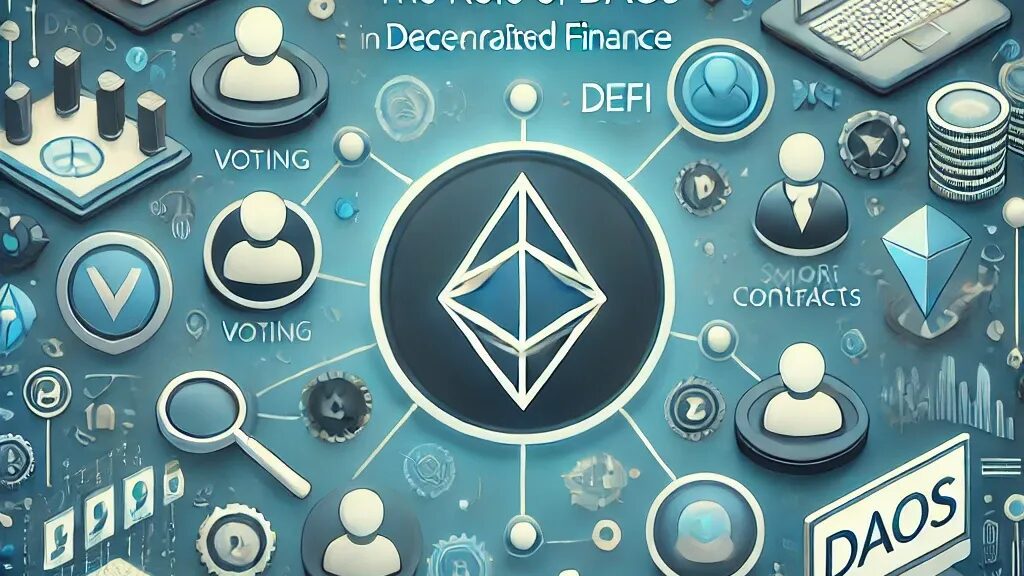
DAOs play a key role in DeFi by managing protocols and distributing funds. Many DeFi platforms are governed by DAOs, allowing users to shape their development. This creates a more inclusive financial system.
The role of DAOs in DeFi governance ensures that decisions benefit the community. Users propose and vote on changes, such as fee adjustments or new features. This keeps power decentralized rather than in the hands of a few developers.
DAOs also help fund new DeFi projects. Instead of relying on venture capital, projects can raise money from the community. The role of DAOs in DeFi funding opens opportunities for more innovators.
Additionally, DAOs incentivize participation. Users who contribute to governance often earn rewards. This strengthens the ecosystem and encourages long-term engagement. The role of DAOs in DeFi is vital for its growth and sustainability.
Applications of DAOs Beyond Finance
While DeFi is a major use case, the role of DAOs extends to other industries. One example is content creation. DAOs can fund and govern media platforms, letting creators and fans collaborate directly.
In supply chain management, DAOs improve transparency. They track products from origin to consumer, reducing fraud. The role of DAOs in supply chains ensures ethical practices and fair compensation.
DAOs also support charitable giving. Donors can pool funds and vote on how to use them. The role of DAOs in philanthropy increases trust and accountability in donations.
Other potential uses include real estate, gaming, and social networks. The role of DAOs in these fields could revolutionize how people organize and collaborate.
The Future Potential of DAOs
The role of DAOs will likely grow as blockchain technology advances. They could make finance more accessible by removing gatekeepers. Decision-making could become more democratic across industries.
However, challenges remain. Scalability, regulation, and security must improve. The role of DAOs in mainstream adoption depends on solving these issues.
If successful, DAOs could redefine how organizations operate. They offer a fairer, more transparent alternative to traditional systems. The role of DAOs in the future could be as transformative as the internet itself.
Conclusion
The role of DAOs is expanding in finance, governance, and beyond. They enable decentralized decision-making, reduce corruption, and empower communities. While challenges exist, their potential is immense.
As technology evolves, DAOs will become more efficient and secure. Their role in shaping a decentralized future cannot be ignored. Businesses and developers should explore how DAOs can benefit their projects.
Need help building or managing a DAO? Progressive Robot offers expert DAO development services. We help you create secure, scalable, and compliant decentralized organizations. Contact us today to bring your DAO vision to life.