
NFTs have changed how we think about digital ownership. While their popularity has fluctuated, one area where they show strong potential is gaming. NFTs in gaming create new ways for players to own, trade, and profit from in-game items.
This article explores how it works and it’s impact on players and developers. We will look at the benefits, challenges, and real-world examples of NFTs in gaming. By the end, you will understand why NFTs could shape the future of the gaming industry.
What Are NFTs and How Do They Work?
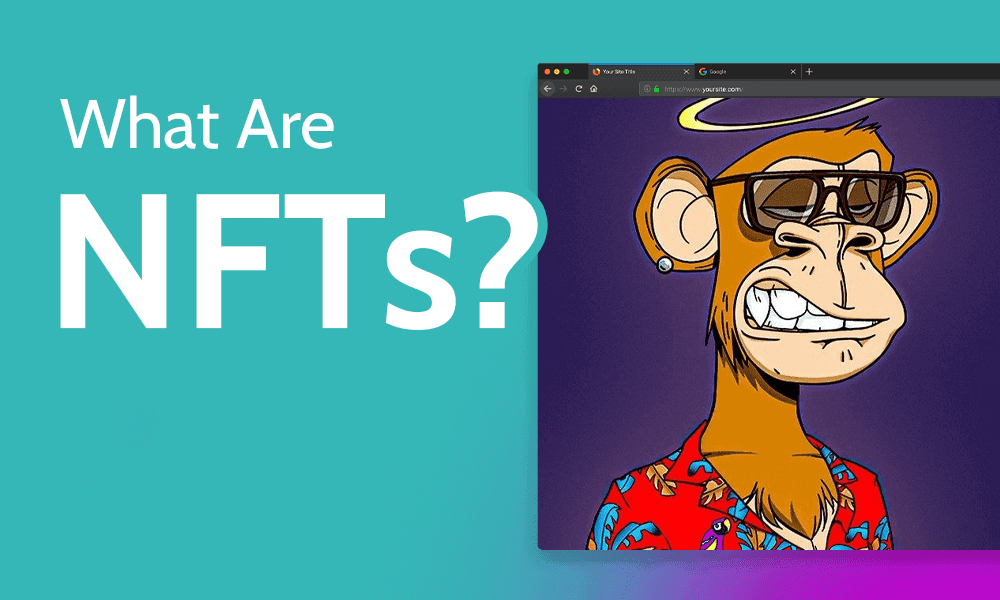
NFTs are unique digital tokens that prove ownership of a specific item. Unlike cryptocurrencies, each NFT is one-of-a-kind and cannot be replaced. This makes them perfect for representing rare in-game assets like weapons, skins, or characters.
NFTs in gaming work by storing ownership records on a blockchain. This ensures that no one can duplicate or fake an item. When a player buys an NFT, the transaction is secured by smart contracts. These contracts also allow creators to earn royalties when NFTs are resold.
The value of an NFT depends on rarity, demand, and creator reputation. Some NFTs sell for huge amounts because players see them as valuable collectibles. This has led to a growing interest in NFTs in gaming as both an investment and a way to enhance gameplay.
What Are NFT Games?
NFT games are video games that use blockchain technology to give players true ownership of in-game items. Traditionally, game items are controlled by developers and stored on their servers. NFTs in gaming change this by letting players own their digital assets permanently.
In NFT games, players can buy, sell, or trade items both inside and outside the game.
This creates a real economy where rare items hold real-world value. Games like Decentraland use NFTs to represent virtual land, while Axie Infinity lets players collect and battle NFT creatures.
NFTs in gaming also allow players to earn money. By selling rare items or winning tournaments, players can turn their gaming skills into profit. This “play-to-earn” model is one of the biggest reasons NFTs in gaming are gaining popularity.
Opportunities of NFTs in Gaming
NFTs in gaming offer exciting opportunities for developers and players. For developers, NFTs create new ways to make money. Instead of relying only on game sales, they can earn from NFT sales and resale royalties.
For players, NFTs in gaming mean true ownership of their items. They can trade or sell assets without restrictions. This makes gaming more rewarding, as players know their efforts have real value.
NFTs also enable player-driven economies. Gamers can influence game development by voting on updates or creating their own content. This level of involvement keeps players engaged and builds stronger communities.
Challenges of NFTs in Gaming
Despite their benefits, NFTs in gaming face several challenges. One major issue is scalability. Blockchain networks can be slow and expensive, making transactions difficult for gamers.
Another challenge is regulation. Governments are still figuring out how to handle it.
Legal uncertainty can make developers hesitant to adopt this technology.
Finally, the market is flooded with low-quality NFT projects. Some scams and worthless items have damaged trust in NFTs in gaming. Developers must focus on quality to keep players interested.
Case Studies
Several games have successfully integrated NFTs. The Sandbox is a virtual world where players buy and develop NFT land. They can create games, host events, and sell digital assets.
CryptoKitties was one of the first NFT games. Players collect and breed unique digital cats, some selling for thousands of dollars. This game proved that NFTs in gaming could create real value.
Sorare combines fantasy football with NFTs. Players collect digital trading cards of real athletes and compete for prizes. This shows how NFTs in gaming can blend virtual and real-world experiences.
The Future of NFTs in Gaming
The future of NFTs in gaming looks promising. As virtual reality and the metaverse grow, NFTs will become even more important. Players will own unique items across multiple games and virtual worlds.
New blockchain solutions will solve scalability issues, making NFTs in gaming faster and cheaper. Better regulations will also create a safer environment for players and developers.
It could revolutionize how we play and earn. With more innovation, they might become a standard feature in all video games.
Conclusion

It offers a new way to own, trade, and profit from digital items. They give players real ownership and developers new revenue streams. While challenges exist, the potential is huge.
As technology improves, it will become more accessible and secure. This could lead to a gaming industry where players have more control than ever before.
Want to explore NFTs in gaming for your project?
Progressive Robot specializes in blockchain game development. We help you create engaging, NFT-powered games that stand out. Contact us today to bring your vision to life!