
In today’s digital landscape, protecting sensitive information has become paramount for businesses across all sectors. One security method stands out for its effectiveness and versatility – the process of substituting confidential data with non-sensitive equivalents while maintaining usability. Let’s explore this crucial technology in depth.
Understanding the Core Concept
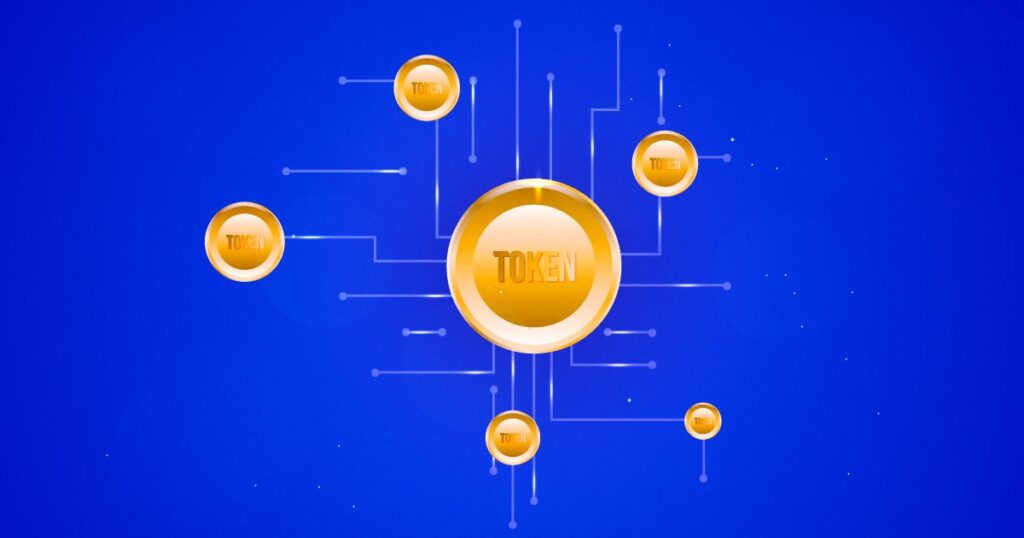
Tokenization operates on a simple yet powerful principle: replacing sensitive data elements with randomly generated identifiers that have no exploitable value. These unique reference markers allow systems to function normally without ever exposing the original information they protect.
What makes this approach particularly valuable is its irreversible nature. Unlike encrypted data that can be decrypted with the right key, properly implemented tokenized data cannot be mathematically reversed to reveal the original information. This fundamental characteristic provides superior protection against data breaches.
Primary Applications Across Industries

The financial sector has been at the forefront of adopting this technology, particularly for securing payment card transactions. When you make an online purchase, your credit card number gets immediately converted into a token that’s useless to potential interceptors.
Healthcare organizations have embraced this method to protect patient records while maintaining accessibility for authorized medical professionals. Each patient’s sensitive information gets assigned unique identifiers that preserve data relationships without exposing personal details.
In the retail sector, tokenization safeguards customer databases by replacing actual contact information and purchase histories with reference tokens. This allows for personalized marketing while significantly reducing data breach risks.
Government agencies utilize advanced tokenization systems to protect citizen data across various services, from tax records to social programs. The technology enables efficient service delivery while maintaining strict privacy standards.
Technical Implementation Considerations

Implementing an effective tokenization system requires careful planning and execution. The first step involves conducting a comprehensive data inventory to identify all sensitive information that requires protection. This includes not just obvious elements like credit card numbers, but also personal identifiers, health information, and proprietary business data.
System architecture plays a crucial role in successful deployment. Most organizations opt for a centralized token vault model, where the mapping between original data and tokens is securely stored in a highly protected database. Some advanced implementations use distributed ledger technology to enhance security further.
Integration with existing systems presents another critical consideration. Modern tokenization solutions offer APIs and middleware that allow relatively smooth integration with legacy systems, though some customization is often required.
Security Advantages Over Alternatives

Compared to traditional encryption, tokenization offers several distinct security benefits. The most significant is the elimination of cryptographic attack vectors – since tokens aren’t mathematically derived from the original data, there’s no algorithm to reverse-engineer.
This approach also dramatically reduces the attack surface. Even if hackers penetrate a system, they only access worthless tokens rather than usable data. The actual sensitive information remains securely stored in the token vault, typically with additional layers of protection.
From a compliance perspective, properly implemented tokenization can significantly reduce regulatory burdens. Many data protection regulations recognize tokenized data as non-sensitive, potentially removing it from strict compliance requirements.
Business Benefits Beyond Security
While security remains the primary driver for adoption, organizations discover numerous operational benefits from implementing tokenization:
Reduced PCI DSS compliance scope for businesses handling payments
Lower data storage and protection costs
Enhanced customer trust and brand reputation
Simplified cross-border data transfers
Improved data analytics capabilities without compromising privacy
Emerging Trends and Future Developments
The technology continues to evolve with several promising developments on the horizon. Privacy-preserving computation techniques are being integrated with tokenization to enable secure data analysis without ever exposing the underlying information.
Decentralized tokenization models using blockchain technology are gaining traction, particularly for applications requiring auditability and transparency while maintaining privacy. These systems eliminate single points of failure while providing immutable audit trails.
Artificial intelligence is being applied to enhance tokenization systems, enabling dynamic token generation patterns that adapt to emerging threat patterns. Machine learning algorithms help identify new types of sensitive data that should be tokenized as business operations evolve.
Implementation Best Practices
For organizations considering adoption, several best practices can ensure successful implementation:
Start with a pilot program focusing on your most sensitive data
Choose solutions that align with your existing infrastructure
Implement robust access controls for the token vault
Develop comprehensive key management procedures
Regularly test and audit your tokenization systems
Overcoming Common Challenges
While powerful, tokenization isn’t without its implementation challenges. Performance considerations are important, as some systems may experience latency when processing large volumes of tokenized data. Proper system sizing and optimization can mitigate these issues.
Data relationship preservation requires careful design, especially in complex systems where multiple data elements need to maintain their connections after tokenization. Advanced token mapping techniques help address this challenge.
Staff training is another critical factor often overlooked. Employees need to understand how to work with tokenized data while maintaining security protocols. Comprehensive training programs should accompany any deployment.
The Road Ahead
As data privacy regulations become more stringent worldwide, and cyber threats grow increasingly sophisticated, tokenization will likely play an even greater role in organizational security strategies. Its ability to provide robust protection while maintaining system functionality makes it uniquely valuable in our data-driven economy.
Future developments may see tokenization becoming more automated and intelligent, with systems capable of identifying and protecting sensitive data in real-time without human intervention. Integration with other security technologies will create more comprehensive protection ecosystems.
For businesses looking to enhance their data security posture, implementing a well-designed tokenization strategy offers a proven method to reduce risk while maintaining operational efficiency. As with any security initiative, success depends on careful planning, proper implementation, and ongoing management.