
The digital art world is undergoing a revolutionary transformation through blockchain technology. NFT Art Marketplaces have emerged as powerful platforms where creators can tokenize and sell their work as unique digital assets. These decentralized spaces connect artists directly with collectors, reshaping how art is created, valued, and traded.
This article explores the growing influence of NFT Art Marketplaces, their benefits, challenges, and real-world success stories. We will also examine what the future holds for digital art as these platforms continue to evolve and innovate.
What Are NFT Art Marketplaces?
NFT Art Marketplaces are online platforms that allow artists to mint and sell their digital creations as non-fungible tokens. These tokens represent ownership and authenticity on the blockchain, making each piece unique and verifiable.
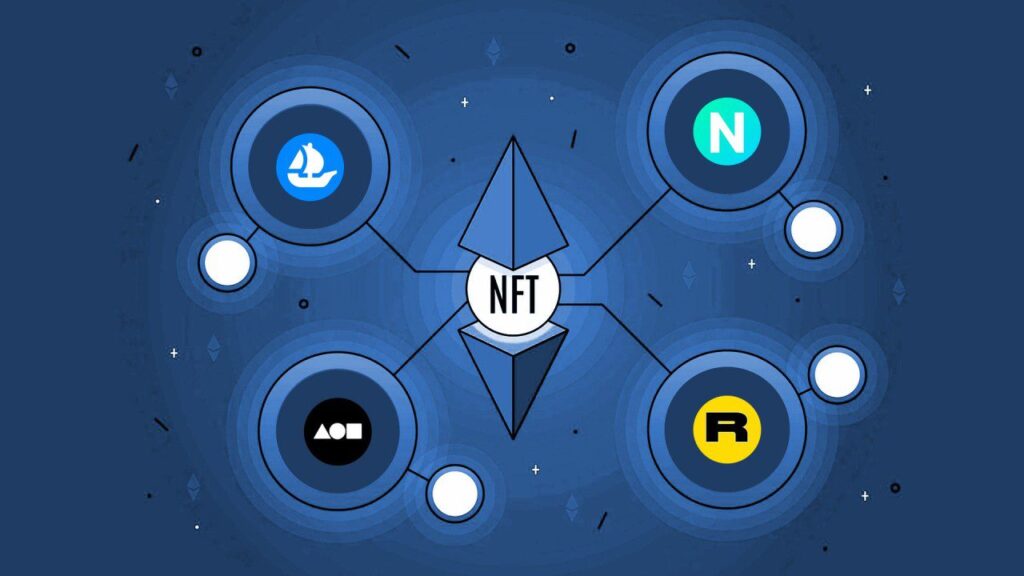
Popular examples include OpenSea, Rarible, and Foundation, where artists and collectors trade using cryptocurrency. These platforms provide tools for minting NFTs, setting royalties, and managing sales. Smart contracts automate payments and ensure artists receive royalties from secondary sales.
Auctions and bidding features create excitement, driving demand and visibility for digital artworks. NFT Art Marketplaces empower creators by giving them control over their work and earnings.
Benefits and Opportunities of NFT Art Marketplaces
NFT Art Marketplaces offer numerous advantages for artists, collectors, and platform owners. For creators, these platforms provide a new way to monetize digital art. Unlike traditional galleries, NFT Art Marketplaces allow artists to sell directly to global audiences without intermediaries.
Collectors benefit from verifiable ownership and the ability to trade digital art securely. Platform owners generate revenue through transaction fees, which can be substantial as the market grows. Partnerships with artists and galleries can also enhance visibility and attract more users.
Additionally, successful NFT Art Marketplaces can become valuable assets themselves. Owners may sell their platforms or attract investors, creating long-term profitability. The expanding interest in digital collectibles ensures continued growth for these innovative marketplaces.
Challenges and Considerations for NFT Art Marketplaces
Despite their potential, NFT Art Marketplaces face several challenges. One major concern is environmental impact. Many blockchain networks consume significant energy, raising sustainability questions. Solutions like Ethereum’s shift to proof-of-stake aim to reduce this issue.
Regulatory uncertainty also poses challenges. Tax laws and legal frameworks for NFTs vary globally, creating compliance complexities. Platform owners must stay informed to navigate these evolving regulations.
Scalability is another hurdle. As more users join NFT Art Marketplaces, blockchain networks must handle increased transaction volumes without delays. High gas fees and network congestion can deter participation.
Finally, accessibility remains a barrier. The technical complexity and upfront costs of minting NFTs can exclude some artists and collectors. Simplifying user experiences and lowering entry barriers will be crucial for broader adoption.
Case Studies and Success Stories in NFT Art
Several groundbreaking sales highlight the impact of NFT Art Marketplaces. Beeple’s “Everydays: The First 5000 Days” sold for $69 million at Christie’s, setting a record for digital art. This sale demonstrated the immense value and legitimacy of NFTs in the art world.
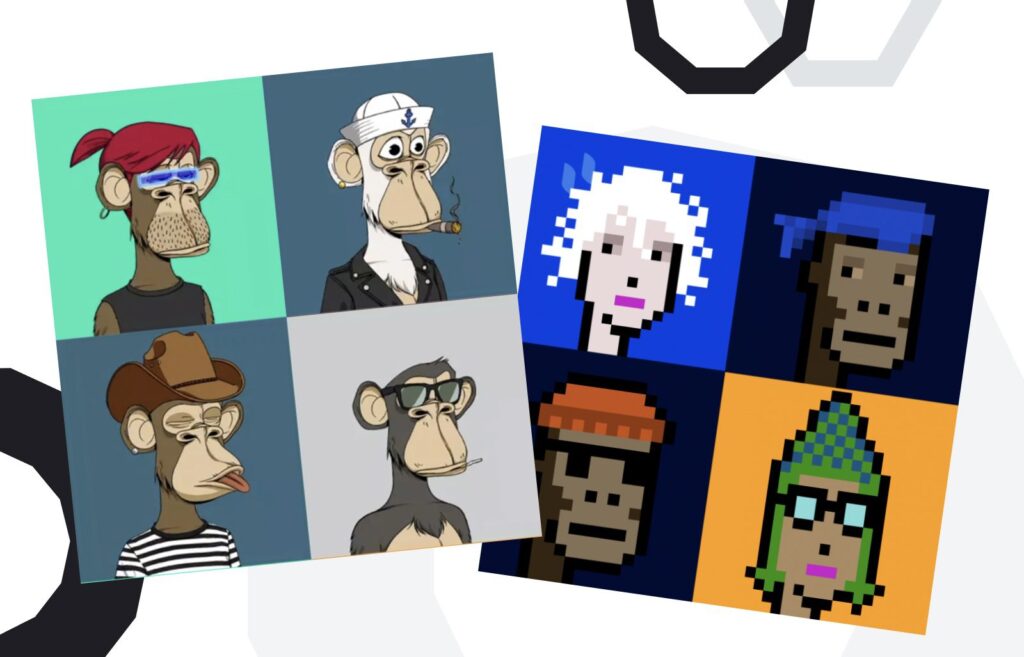
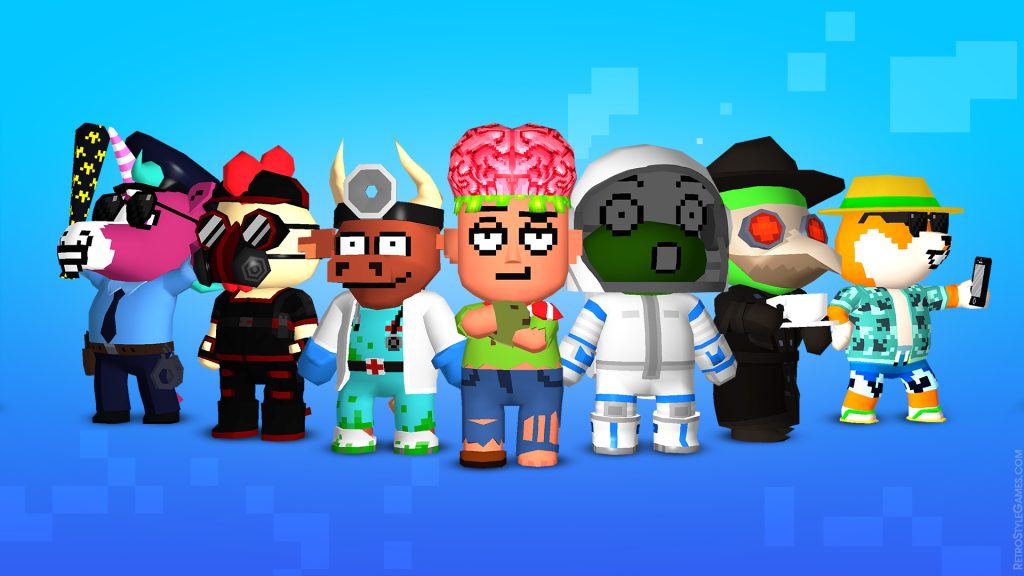
CryptoPunks, one of the earliest NFT projects, features 10,000 unique pixel art characters. Initially free, some now sell for millions, proving the long-term value of digital collectibles. These pioneers inspired countless NFT projects and cemented the cultural significance of blockchain art.
Krista Kim’s “Ocean Front” sold for $1 million on Async Art, showcasing interactive layered artwork. This innovative approach highlighted new creative possibilities within NFT Art Marketplaces.
José Delbo and Trevor Jones’ “Crossroads” fetched $6.6 million on Rarible, blending pop culture with digital art. Such collaborations demonstrate how NFT Art Marketplaces foster creativity and high-value transactions.
The Future of NFT Art Marketplaces
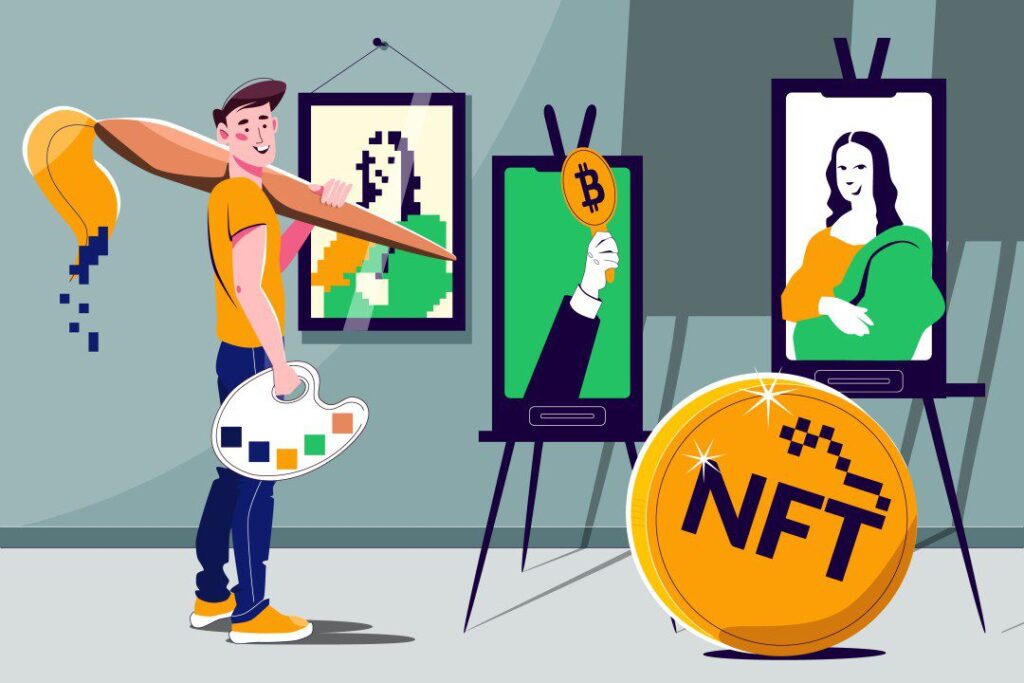
The future of NFT Art Marketplaces looks promising as technology advances. Improved blockchain scalability will enhance transaction speeds and reduce costs. Eco-friendly solutions will address environmental concerns, making NFTs more sustainable.
Interoperability between platforms will streamline trading and collaboration. Enhanced virtual and augmented reality integrations could revolutionize how collectors display and interact with digital art.
Community-driven features, such as decentralized governance, will empower users to shape platform policies. These innovations will ensure NFT Art Marketplaces remain dynamic and inclusive spaces for artists and collectors alike.
Conclusion: Embracing the NFT Art Revolution
NFT Art Marketplaces have transformed the digital art landscape, offering new opportunities for creators and collectors. These platforms provide transparency, ownership, and financial rewards previously unavailable in traditional art markets.
While challenges like regulation and accessibility persist, ongoing advancements will address these issues. The continued growth of NFT Art Marketplaces promises a vibrant future for digital art.
If you’re ready to launch your own NFT Art Marketplace, Progressive Robot can help. Our expert team delivers tailored blockchain solutions to bring your vision to life. Contact us today to start building the next generation of digital art platforms.