
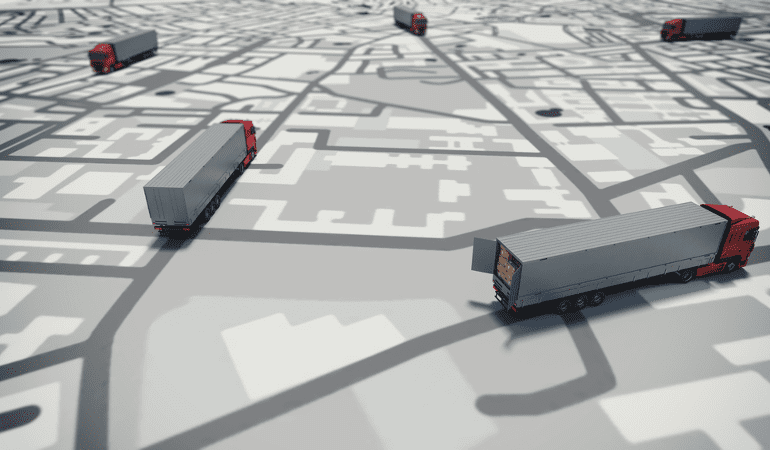
Vehicle tracking systems are essential in modern logistics and transportation. They monitor the location, status, and performance of trucks, aircraft, and other vehicles. These systems improve safety, efficiency, and fleet management.
However, building reliable vehicle tracking systems is challenging. They must handle heavy data loads, real-time processing, and high availability. Different technologies suit different needs, depending on scalability and performance requirements.
This article compares two approaches for developing vehicle tracking systems:
Java-Kafka-Cassandra for high-frequency, multi-tenant tracking
.NET-MS SQL-MongoDB for simpler, Microsoft-based solutions
Key Requirements for Vehicle Tracking Systems

All vehicle tracking systems must meet certain standards. They need real-time data processing, scalable storage, and reliable performance. Here are the core components:
Real-time data handling ensures no delays in tracking updates. Tools like Apache Kafka manage continuous data streams efficiently.
Scalable databases store tracking information. SQL databases (PostgreSQL, MS SQL) work for structured data, while NoSQL (Cassandra, MongoDB) handles unstructured data better.
System reliability prevents downtime. Replication, load balancing, and failover mechanisms keep operations smooth.
User-friendly interfaces help operators monitor fleets easily. Dashboards built with Spring Boot or .NET provide clear insights.
Security measures protect sensitive tracking data. Encryption and access controls prevent unauthorized use.
Approach 1: Java-Kafka-Cassandra for High-Load Tracking
This approach suits vehicle tracking systems with high-frequency updates, such as airport logistics. It uses Java, Kafka, and Cassandra for scalability and speed.
Hadoop-Based Stack for Scalability
A Hadoop-based setup ensures the system handles massive data volumes. Distributed processing prevents overloads during peak tracking activity.
Three-Tier Application Architecture
Frontend UI (Spring Boot & Java) – Displays dashboards, analytics, and reports for fleet managers.
PostgreSQL – Stores structured data like vehicle metadata and user profiles.
Load Balancer – Distributes traffic evenly, improving fault tolerance.
Real-Time Processing with Kafka & Cassandra
Kafka ingests high-speed tracking data. Filters clean the data before storing it in Cassandra for fast queries.
Scheduled tasks transform raw data into reports. This keeps dashboards updated without slowing the system.
Best for Large-Scale Tracking
This architecture works best for vehicle tracking systems with thousands of updates per second. It scales effortlessly and remains stable under heavy loads.
Approach 2: .NET-MS SQL-MongoDB for Simpler Fleet Tracking
This solution fits vehicle tracking systems with lower data demands, like truck fleets. It relies on Microsoft technologies for ease of deployment.
Microsoft-Based Infrastructure
Active Directory manages user access securely.
MS SQL Always-On ensures database availability with failover support.
VMWare vSphere hosts virtual machines for each system component.
Hybrid Windows-Linux Deployment
Most services run on Windows Server, except MongoDB and NGINX (Linux). This mix balances performance and compatibility.
Solving Backup & Performance Issues
NGINX on Linux reduces CPU load from HTTPS traffic.
MongoDB replication (1 master + 2 slaves) allows backups without downtime.
Best for Smaller Fleet Operations
This approach is cost-effective for vehicle tracking systems with moderate data needs. It’s easier to maintain but less scalable than the Java-Kafka option.
Which Approach is Right for Your Vehicle Tracking System?
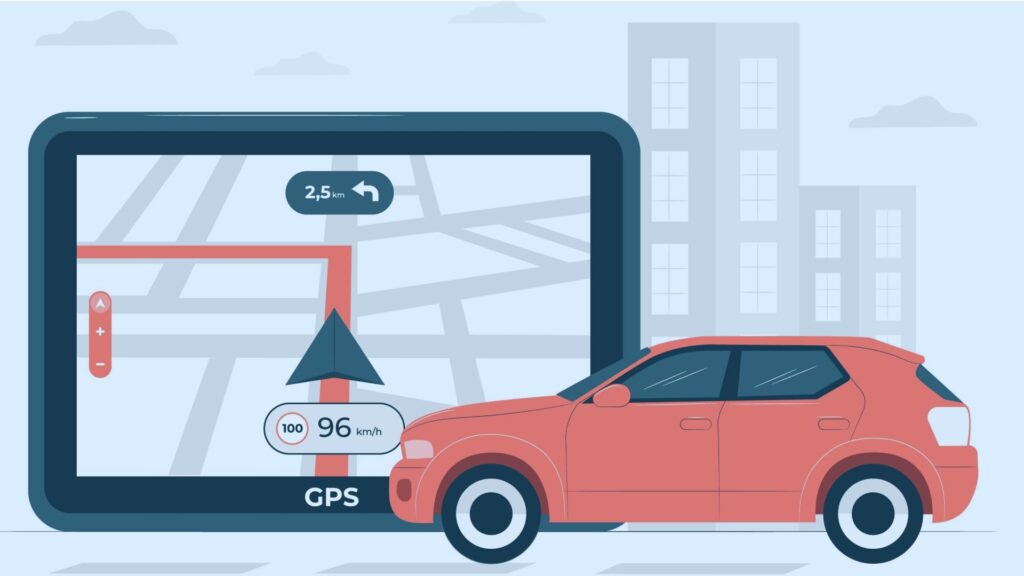
Both vehicle tracking systems have strengths:
Java-Kafka-Cassandra excels in high-frequency environments (e.g., airports, large logistics fleets).
.NET-MS SQL-MongoDB suits smaller operations with Microsoft-based IT setups.
Choose based on data volume, scalability needs, and existing infrastructure.
Ready to Build Your Vehicle Tracking System?
Progressive Robot specializes in custom vehicle tracking systems. Whether you need high-speed Kafka processing or a simple .NET solution, we can help.
Contact us today to discuss your project!