
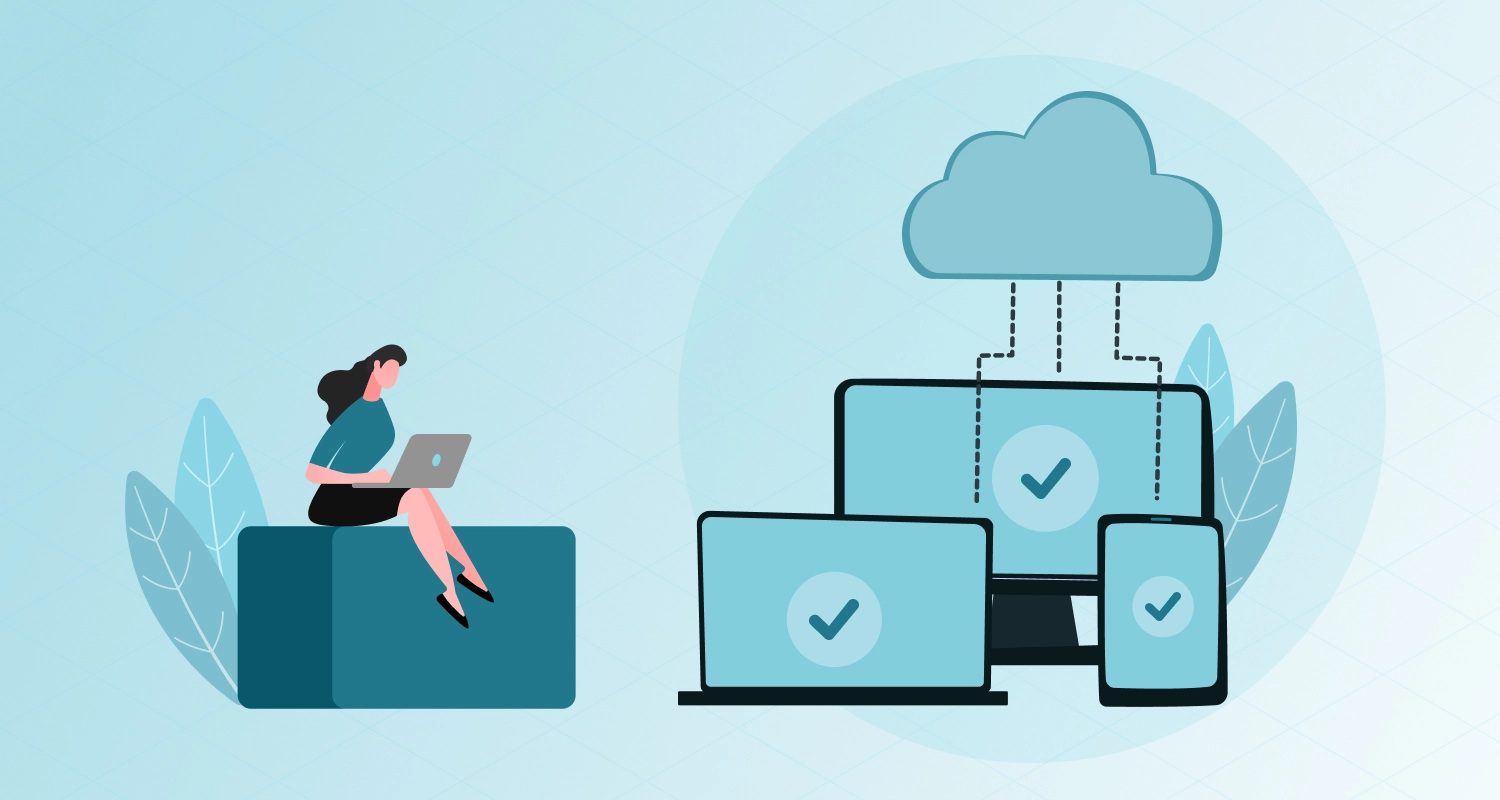
Moving to the cloud means using remote servers to build, test, and manage software. This method is better than old-school ways because it is flexible, scalable, and cost-friendly. Cloud-based application development is changing how businesses create and run their apps.
In this article, we will explain what cloud-based application development is, its key benefits, the step-by-step process, and future trends. We will also look at real-world examples to show how companies use this technology successfully.
What Is Cloud-based Application Development?

Cloud-based application development means building software that runs on remote servers instead of local machines. This approach lets businesses adjust resources as needed, scale easily, and cut costs. With cloud computing, companies do not need to buy expensive hardware or worry about maintenance.
Cloud-based application development also allows teams to work from anywhere. Since everything is stored online, developers can collaborate without being in the same place. This makes the whole process faster and more efficient. Many businesses now prefer cloud solutions because they offer better security, automatic updates, and strong backup options.
Benefits of Cloud-based Application Development

One major advantage of cloud-based application development is scalability. Apps can handle more users during peak times and reduce resources when traffic is low. This saves money because businesses only pay for what they use. There is no need to invest in extra hardware that may sit idle.
Another benefit is cost savings. Cloud services cut down on expensive equipment and maintenance. Companies also enjoy automatic updates, so their apps always run on the latest software. Security is another strong point. Cloud providers use encryption and strict access controls to keep data safe.
Cloud-based application development also improves teamwork. Since files and tools are online, teams can work together from different locations. Disaster recovery is easier too. Cloud providers backup data regularly, so businesses can recover quickly if something goes wrong.
The Process of Cloud-based Application Development

The first step in cloud-based application development is planning. Teams gather requirements, define goals, and understand user needs. This helps in building an app that meets business objectives. A clear plan ensures smooth progress in later stages.
Next, businesses must choose the right cloud provider. Options like AWS, Microsoft Azure, and Google Cloud offer different features. Companies should compare costs, security, and support before deciding. The right provider makes development easier and more efficient.
After selecting a provider, the next step is designing the app’s architecture. This includes deciding how data will be stored and how users will interact with the app. Many cloud-based apps use microservices for better performance. Once the design is ready, developers start coding.
Testing is a crucial part of cloud-based application development. Teams run different tests to check for bugs and ensure smooth performance. Automated tools speed up this process. After testing, the app is deployed using CI/CD pipelines for fast and error-free releases.
Finally, the app must be monitored after launch. Cloud tools track performance and alert teams to issues. Regular updates and security patches keep the app running smoothly.
Future Trends in Cloud-based Application Development

The future of cloud-based application development is exciting. One major trend is the use of AI and machine learning. These technologies make apps smarter and more personalized. For example, AI can analyze user behavior to improve recommendations.
Edge computing is another growing trend. It processes data closer to the source, reducing delays. This is important for apps that need real-time responses, like gaming or video streaming. Security will also improve with advanced encryption and AI-powered threat detection.
Multi-cloud strategies will become more popular. Using multiple cloud providers reduces risk and prevents reliance on a single service. This approach gives businesses more flexibility and better performance.
Real-World Examples of Cloud-based Application Development

Lorem ipsum dolor sit amet, consectetur adi
Many big companies use cloud-based application development successfully. Netflix moved to AWS to handle its growing user base. The cloud helped Netflix deliver content faster and improve recommendations using data analytics.
Spotify uses Google Cloud to manage its music library. The cloud allows Spotify to scale easily and offer personalized playlists. Airbnb also relies on AWS to handle booking spikes during peak seasons. The cloud ensures smooth performance even with high traffic.
piscing elit. Ut elit tellus, luctus nec ullamcorper mattis, pulvinar dapibus leo.
Conclusion

Cloud-based application development offers many benefits, including scalability, cost savings, and better security. By following a clear process, businesses can build strong and efficient apps. Future trends like AI, edge computing, and multi-cloud strategies will shape the next phase of cloud technology.
If you need expert help with cloud-based application development, contact Progressive Robot today. Our team can help you build advanced cloud solutions for your business.