
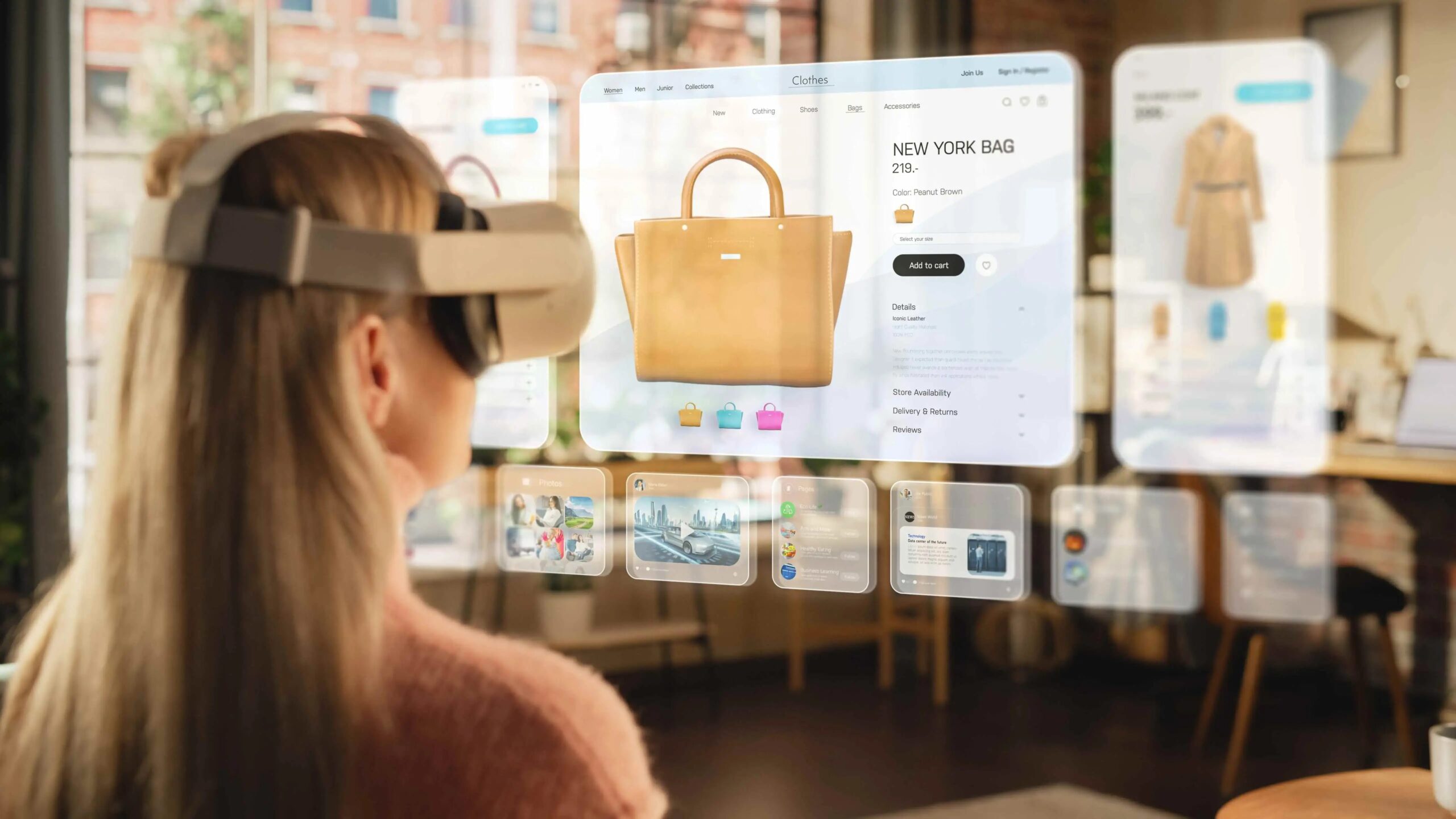
The metaverse represents a giant virtual world where real and digital things mix. This opens up many new possibilities for businesses, especially in digital shopping. The metaverse benefits e-commerce by blending gaming, social media, and online shopping into one immersive experience. Customers can now interact with products in exciting new ways.
This article explores how the metaverse helps online shopping improve. We will look at current trends and future possibilities. The focus is on how the metaverse benefits e-commerce for both businesses and customers.
What Is Metaverse and Metaverse Commerce?

The metaverse is a vast online space where people connect and interact. It uses augmented reality (AR), virtual reality (VR), and other advanced technologies. These tools create a rich and engaging digital world.
Metaverse commerce takes online shopping to the next level. Customers can try on clothes, test products, and explore virtual stores as if they were there. This makes shopping more fun and personal. The metaverse benefits e-commerce by removing geographical limits and reaching more customers worldwide.
Brands can also promote themselves through virtual events and unique online experiences. This creates new ways to engage with customers. The metaverse benefits e-commerce by making shopping more interactive and exciting.
Overview of the Integration Trends of E-commerce in Virtual Environments
The metaverse benefits e-commerce by changing how businesses connect with customers. Virtual environments offer new ways to shop and engage. Here are the key trends shaping this change.
3D Shopping Experience
One of the biggest ways the metaverse benefits e-commerce is through 3D shopping. Virtual stores let customers explore products in a lifelike way. They can try on clothes using avatars or see live product demos.
This makes online shopping feel more real. Customers get a better sense of products before buying. The metaverse benefits e-commerce by closing the gap between online and offline shopping.
Personalization and Customization
The metaverse benefits e-commerce by offering advanced personalization. AI and data analysis help create tailored shopping experiences. Virtual stores change layouts based on customer preferences.
Customers can also customize products in real time. They see instant visual feedback on their choices. This makes shopping more engaging and satisfying.
Social Shopping and Community Engagement
The metaverse benefits e-commerce by making shopping social. Friends and family can shop together in virtual spaces. They can share opinions and attend live product launches.
This builds a sense of community around brands. Customers feel more connected and engaged. Virtual forums also let users discuss products and share reviews.
Cross-platform Integration
The metaverse benefits e-commerce by working across different devices. Customers can shop using VR headsets, phones, or computers. This makes virtual shopping more flexible and inclusive.
Tokenization and Digital Ownership
The metaverse benefits e-commerce through digital ownership. Brands can create digital versions of products as NFTs. Customers can buy, sell, and trade these items.
This opens new revenue streams for businesses. It also ensures product authenticity, especially in luxury markets.
Opportunities for Brands and Merchants

The metaverse benefits e-commerce by giving brands new ways to connect with customers. They can host virtual fashion shows, product launches, and meetings. These events reach a global audience without limits.
Brands can also create virtual pop-up stores with exclusive offers. Virtual influencers and digital goods boost brand visibility. The metaverse benefits e-commerce by making marketing more interactive.
Challenges and Considerations

While the metaverse benefits e-commerce, it also brings challenges. Building virtual stores can be costly, especially for small businesses. High-tech security adds to the expense.
Not everyone has access to VR headsets or fast internet. Technical issues like slow connections can ruin the experience. Some people may also find advanced tech hard to use.
Legal rules around digital ownership and data privacy are still unclear. Protecting intellectual property in the virtual world is tough. Ethical concerns like addiction and inclusivity also need attention.
Future Outlook and Adoption Trends

The future of e-commerce in the metaverse looks bright. Better technology and growing interest will drive adoption. Web3.0, AR, VR, and AI will make virtual spaces more accessible.
Younger users will lead the way in adopting these digital worlds. Businesses will follow by offering unique virtual experiences. NFTs and blockchain will ensure fair and secure ownership.
The metaverse benefits e-commerce by making shopping more inclusive and interactive. Clear rules will help manage risks and ensure growth.
Conclusion

The metaverse is set to transform online shopping. It makes shopping more fun, personal, and social. The metaverse benefits e-commerce by introducing new ways to own digital items.
Challenges like privacy and security must be addressed. However, the advantages for businesses and customers are huge. The metaverse will make online shopping more lively and connected than ever.
Are you ready to explore how the metaverse benefits e-commerce for your business? Contact Progressive Robot today to discover innovative digital solutions for your brand.