
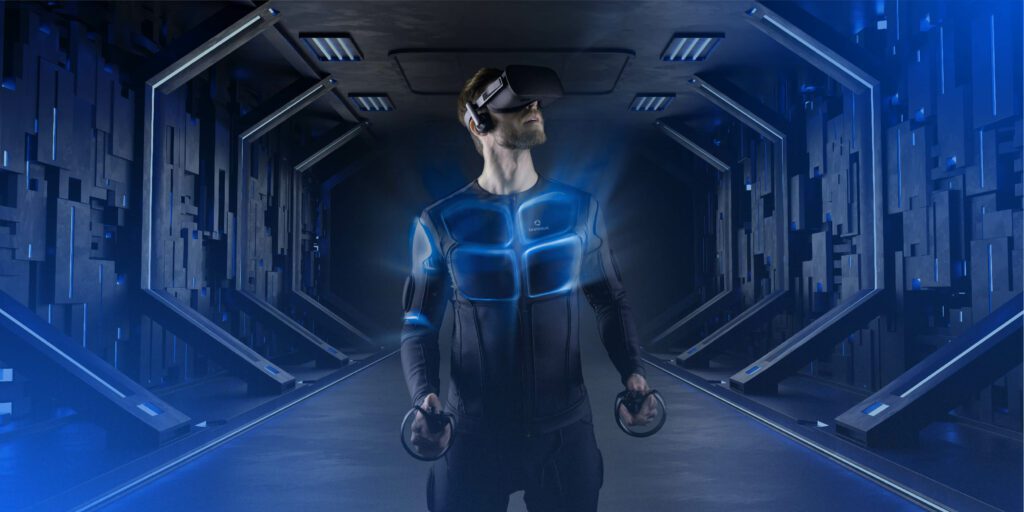
Haptic feedback transforms how we interact with technology by adding physical sensations. This tactile response technology makes digital experiences feel more real and engaging. From smartphones to surgical robots, haptic feedback enhances user experiences across industries.
The technology works through specialized actuators and sensors. These components detect user actions and generate appropriate physical responses. Haptic feedback can simulate textures, create resistance, or provide confirmation vibrations.
This guide explores the different types of haptic feedback available today. We’ll examine their unique benefits and practical applications. You’ll also discover emerging trends that will shape the future of tactile technology.
Understanding Haptic Feedback Technology
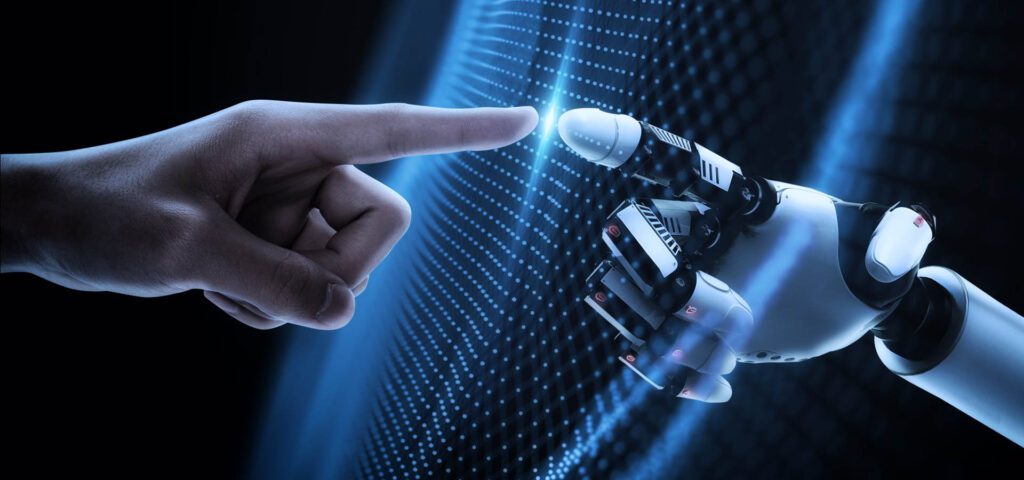
Haptic feedback creates touch-based communication between users and devices. It bridges the gap between digital interfaces and physical sensations. The technology replicates the feel of real-world interactions.
Modern systems use various methods to generate tactile responses. Some rely on vibration motors while others employ force resistance. Advanced versions even simulate textures without physical contact.
The applications of haptic feedback continue to expand rapidly. Smartphones use it for keyboard taps and notifications. Gaming controllers provide immersive vibration effects. Medical devices offer surgeons precise tactile feedback.
Haptic feedback systems require careful engineering. Designers must balance intensity, duration, and pattern of vibrations. The goal is creating natural, intuitive responses that enhance usability.
Different Types of Haptic Feedback

Tactile feedback represents the most common haptic type. It produces surface vibrations through small motors. Smartphones use this for keyboard taps and notification alerts. The subtle vibrations confirm touchscreen interactions.
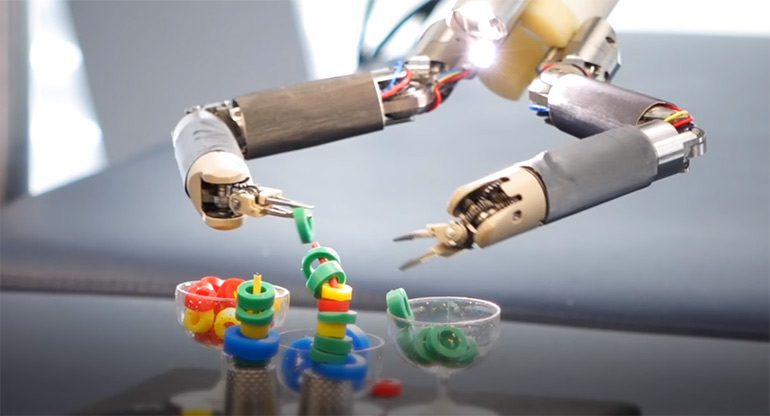
Kinesthetic feedback deals with movement and resistance. This advanced type simulates weight and force in virtual environments. VR systems use it to create realistic object interactions. Surgical robots provide surgeons with precise resistance feedback.
Force feedback delivers physical resistance to user actions. Steering wheels in racing games use this technology. Pilots train with flight simulators that replicate real control forces. The resistance enhances realism and improves skill transfer.
Ultrasonic haptics create touchless tactile sensations. Sound waves generate pressure patterns in mid-air. Museums use this for interactive displays visitors can feel without touching. The technology shows promise for public touchscreens.
Electrotactile systems stimulate nerves directly. Prosthetic limbs incorporate this technology to restore sensation. The electrical pulses simulate different textures and pressures. Researchers continue improving its precision and safety.
Key Benefits of Haptic Technology
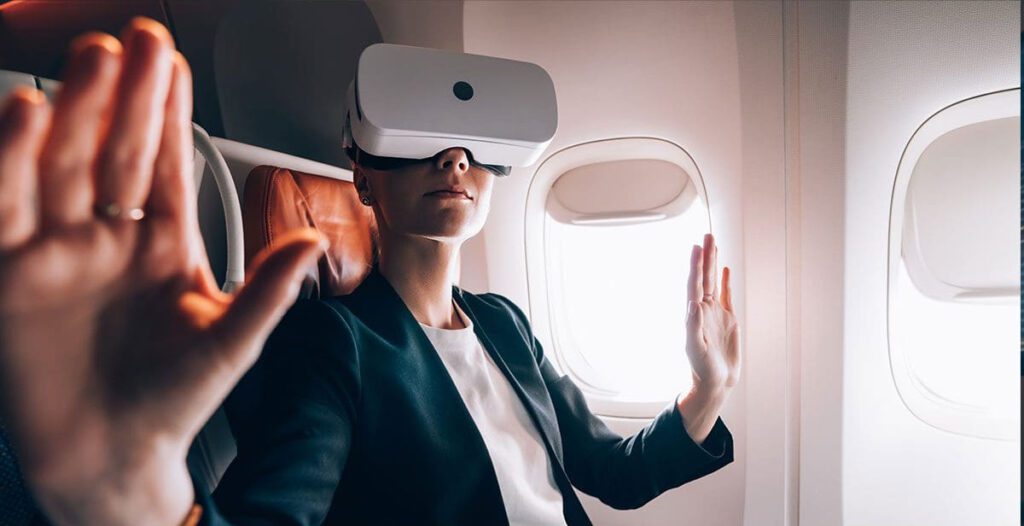
Haptic feedback significantly enhances user experiences. The physical responses make digital interactions feel more tangible and satisfying. Users report higher engagement with haptic-enabled devices.
The technology improves accessibility for visually impaired users. Tactile cues provide navigation assistance and confirmation. Vibrations can replace visual alerts in many applications. This inclusive approach benefits all users.
Precision tasks benefit greatly from haptic feedback. Surgeons perform delicate procedures with enhanced tactile awareness. Industrial operators control machinery more accurately with force feedback. The technology reduces errors in critical applications.
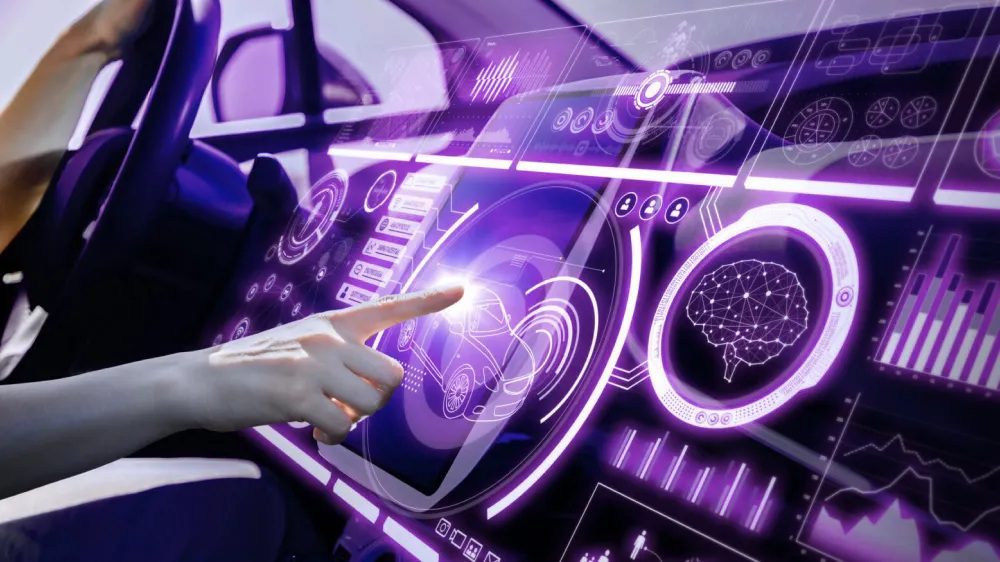
Haptic responses reduce cognitive load during device operation. Physical confirmation eliminates the need for visual verification. Drivers can operate touchscreens without looking away from the road. The technology promotes safer interactions.
Entertainment experiences become more immersive with haptics. Gaming vibrations match on-screen actions for deeper engagement. VR systems simulate environmental interactions realistically. The added dimension enhances emotional connection.
Industry Applications of Haptic Feedback
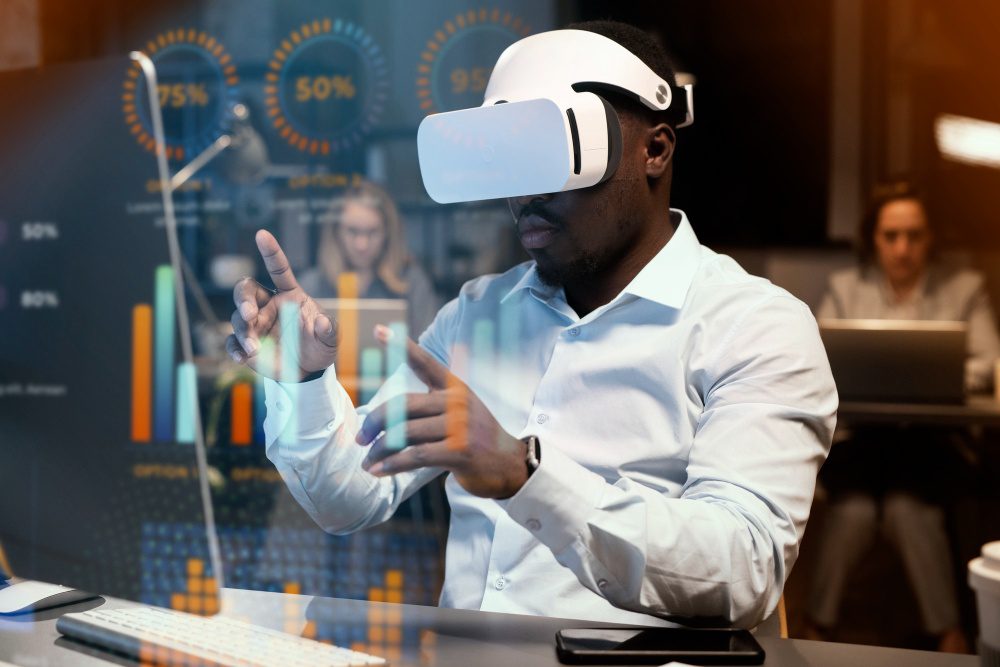
Smartphone manufacturers widely adopt haptic technology. Tactile responses improve touchscreen typing accuracy. Notification vibrations provide discreet alerts. The subtle enhancements significantly improve user satisfaction.
Gaming peripherals utilize advanced haptic systems. Controllers vibrate in sync with in-game events. Racing wheels simulate different road surfaces. The immersive feedback increases gameplay realism and enjoyment.
Automotive interfaces incorporate haptic safety features. Touchscreens provide confirmation vibrations for blind operation. Steering wheel alerts warn drivers of potential hazards. The technology reduces distracted driving incidents.
Medical training benefits from precise haptic systems. Surgical simulators replicate tissue resistance realistically. Dental students practice procedures with accurate force feedback. The technology accelerates skill development.
Virtual reality systems rely heavily on haptic feedback. Gloves simulate object weight and texture. Vests provide impact sensations during gameplay. The combined effects create truly immersive environments.
Current Challenges and Limitations
Haptic technology faces several implementation challenges. The sophisticated components increase production costs significantly. Manufacturers must balance performance with affordability.
Power consumption remains a concern for mobile devices. Advanced haptic systems drain batteries faster. Engineers continue developing more energy-efficient actuators. The improvements will enable wider adoption.
Current systems have limited sensation variety. Most can only produce basic vibration patterns. Researchers work on more nuanced tactile feedback. The goal is replicating complex textures and forces.
Miniaturization presents another technical hurdle. Small devices struggle to accommodate powerful actuators. New materials and designs help overcome space constraints. The advancements enable better mobile haptics.
Overuse can cause user fatigue or annoyance. Designers must implement haptic feedback judiciously. Customizable intensity settings help address this issue. The flexibility improves long-term user comfort.
Emerging Trends in Haptic Technology
Micro-actuators enable more precise vibrations. These tiny components fit in compact devices while delivering strong feedback. Smartphones will offer richer tactile experiences through this innovation.
Electroactive polymers represent a breakthrough material. These substances change shape under electrical current. The technology enables realistic texture simulation. Future devices may replicate various surfaces accurately.
Ultrasonic mid-air haptics eliminate physical contact needs. The technology creates tactile sensations in open space. Interactive kiosks and displays will benefit greatly. Public hygiene concerns drive adoption.
Artificial muscle technology advances haptic realism. These synthetic fibers contract like biological muscles. The system provides natural resistance and movement. VR applications will achieve unprecedented realism.
Neural interfaces may revolutionize haptic feedback. Direct nerve stimulation could restore complete sensation. Prosthetic limbs would feel nearly natural. The medical applications show tremendous promise.
Implementing Haptic Feedback Solutions
Progressive Robot specializes in haptic technology integration. Our team understands the technical and design challenges. We create customized solutions for diverse applications.
The implementation process begins with thorough analysis. We identify the most effective haptic approach for each project. User needs and technical constraints guide the selection.
Prototyping and testing ensure optimal performance. We refine vibration patterns and intensities through user feedback. The iterative process delivers perfect tactile responses.
Ongoing support maintains system effectiveness. We provide updates and improvements as technology advances. The partnership ensures long-term success.
Contact Progressive Robot to explore haptic possibilities. Our experts will demonstrate how tactile feedback can transform your product. Let’s create more engaging user experiences together.