
Prompt engineering helps you get better results from large language models (LLMs). It involves crafting clear instructions so AI understands exactly what you need. This guide covers simple tips to improve your prompts, reduce costs, and get concise answers.
Good prompt engineering makes AI responses more accurate and useful. Whether you need short answers or detailed explanations, the right prompt matters. You will learn different prompt types and techniques to enhance your AI applications.
Understanding prompt engineering also helps control costs. Since AI pricing often depends on word count, efficient prompts save money. We will explore how to structure requests for maximum value. Let’s dive into the best practices for working with LLMs.
What Is a Prompt and Prompt Engineering?
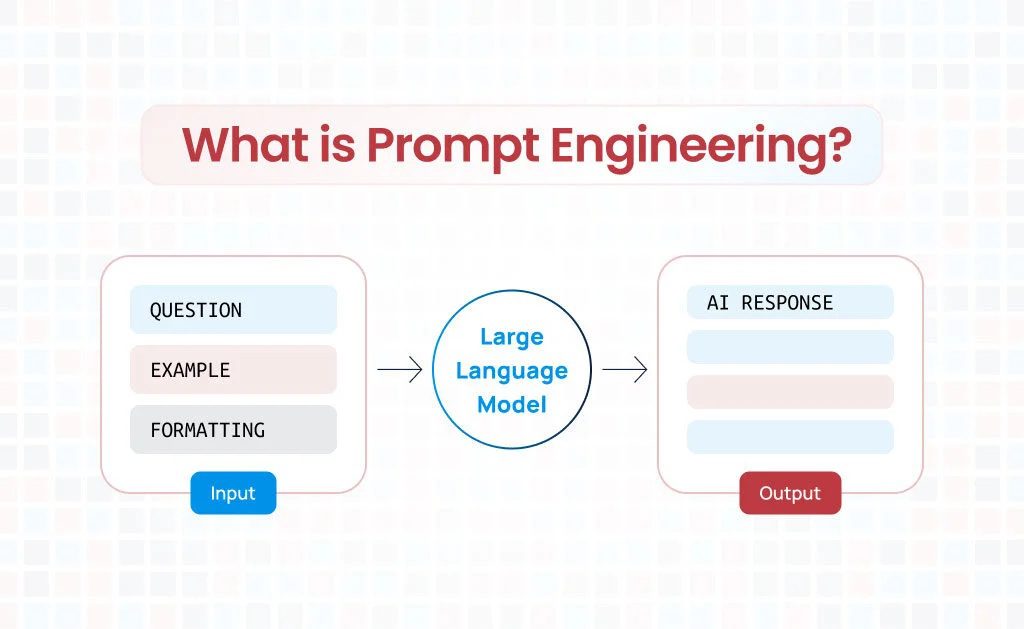
A prompt is a question or instruction you give to an AI model. It guides the AI to generate the response you want. Without clear prompts, answers may be vague or off-topic.
Prompt engineering is the skill of designing effective prompts. It ensures AI understands your request correctly. This practice improves response quality and reduces errors. Well-crafted prompts save time and resources.
Think of prompt engineering like giving clear directions. The better your instructions, the faster and more accurately AI responds. Mastering this skill helps in chatbots, content creation, and data analysis.
Types of Prompts in AI Applications

Different prompts serve different purposes in AI interactions. System prompts set the AI’s behavior and tone. They act like background rules before a user even asks a question.
User prompts are direct inputs from people. They can be questions, commands, or statements. These prompts trigger the AI’s response based on the system guidelines.
Combining both types improves AI performance. System prompts define the rules, while user prompts get specific answers. Understanding this balance is key in prompt engineering.
How to Reduce Costs with Smart Prompt Engineering

AI costs often depend on the length of prompts and responses. Longer inputs and outputs use more processing power. Keeping prompts concise helps control expenses.
One way to save money is by trimming unnecessary words. Avoid long introductions and get straight to the point. Also, limit response length when possible.
Another tip is reusing effective prompts. Once you find a prompt that works well, tweak it for similar tasks. This reduces trial and error, saving both time and money.
Getting Concise Answers with Prompt Engineering

Short and clear answers improve user experience. To get them, ask direct questions instead of open-ended ones. For example, say “List three benefits” instead of “Tell me about the benefits.”
Specify the desired answer length in your prompt. Ask for summaries in one sentence or bullet points. This keeps responses brief and to the point.
Use formatting requests like JSON for structured data. This makes outputs easier to process. Clear instructions prevent overly long or vague answers.
What Is the Golden Prompt in Prompt Engineering?
The golden prompt is the most effective version of a prompt. It consistently gives high-quality responses with minimal changes. Finding it requires testing different phrasings.
Start with a basic prompt and refine it based on results. Adjust wording, add examples, or specify formats. Over time, you will discover the best version for your needs.
A golden prompt saves effort and improves reliability. Once perfected, it becomes a reusable template for similar tasks. This is a key goal in prompt engineering.
Effective Prompt Engineering Techniques
Zero-shot prompting asks AI to respond without examples. It works for simple tasks where the model’s general knowledge suffices. This method is quick but may lack precision.
Few-shot prompting provides a few examples to guide the AI. It helps in specialized tasks needing specific formats. The examples train the AI to mimic the desired style.
Chain-of-thought prompting breaks complex questions into steps. It makes AI explain its reasoning, improving clarity. This technique works well for problem-solving tasks.
The AUTOMAT Framework for Better Prompts
The AUTOMAT framework structures prompt engineering for consistency. It defines the AI’s role, audience, and goals upfront. This method ensures predictable and useful responses.
First, set the AI’s role (e.g., “Act as a teacher”). Then define the user persona and desired action. Specify the output format and communication style.
Finally, plan for edge cases and topic boundaries. This comprehensive approach improves prompt reliability. It’s especially useful for business applications.
Conclusion
Prompt engineering unlocks the full potential of AI models. Clear, well-structured prompts lead to better answers and lower costs. Techniques like few-shot prompting and AUTOMAT refine results.
Finding your golden prompt takes practice but pays off. Whether for chatbots or data analysis, good prompts make AI more effective. Start applying these best practices today.
Need expert help with prompt engineering? Contact Progressive Robot for AI solutions tailored to your needs. Let’s build smarter applications together.