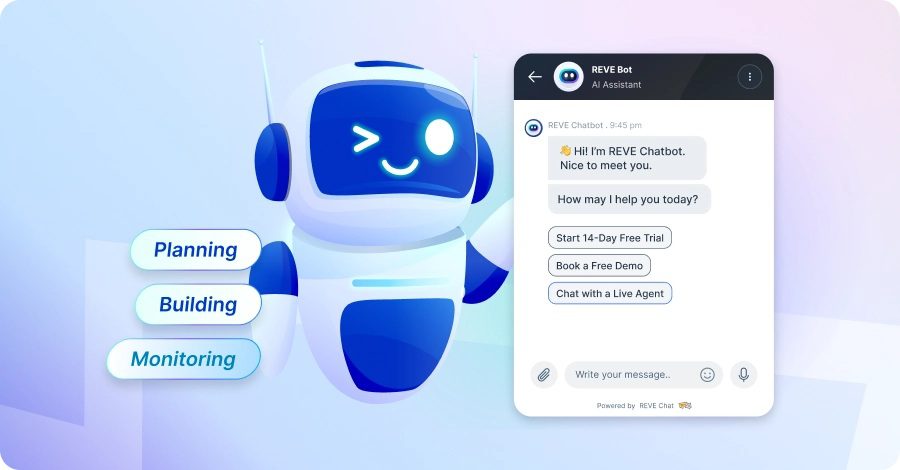
Chatbot software is now widely used in customer service, marketing, and even within companies for internal tasks. These smart tools can interact with users automatically—answering questions, handling tasks, and chatting without needing a human. In this guide, we’ll break down how chatbots work, the types you can use, and real examples of how they’re being used in different industries.
What Are Chatbots, and How Do They Work?
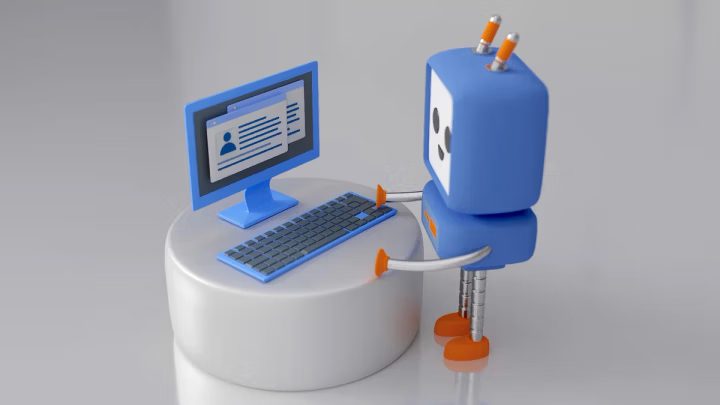
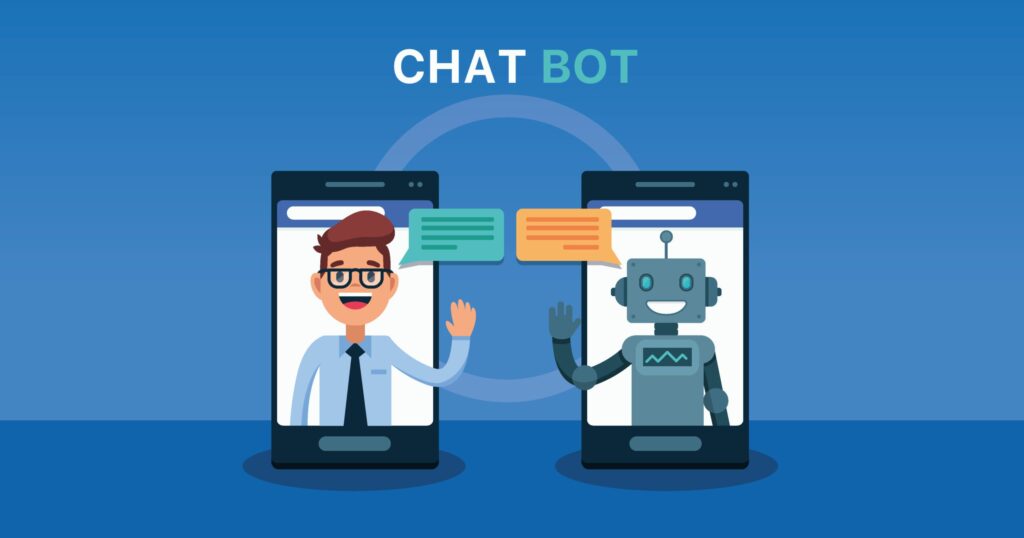
At their simplest, chatbots are software designed to mimic human conversation. They use natural language processing (NLP), machine learning (ML), and sometimes simple rules to understand and respond to what users say. The technology behind chatbots makes them smart enough to handle different kinds of tasks.
Natural Language Processing (NLP) helps chatbots understand human language. It breaks down sentences, detects emotions, and figures out what the user wants. Machine Learning (ML) allows chatbots to improve over time by learning from past conversations. Some advanced chatbots even use deep learning to process language like humans.
Rule-based systems are simpler chatbots that follow predefined rules. They respond to specific keywords or patterns. While not as flexible, they work well for straightforward tasks. Backend integration lets chatbots connect to business systems like CRM software or databases. This helps them book appointments, answer account questions, or process orders efficiently.
Types of Chatbots
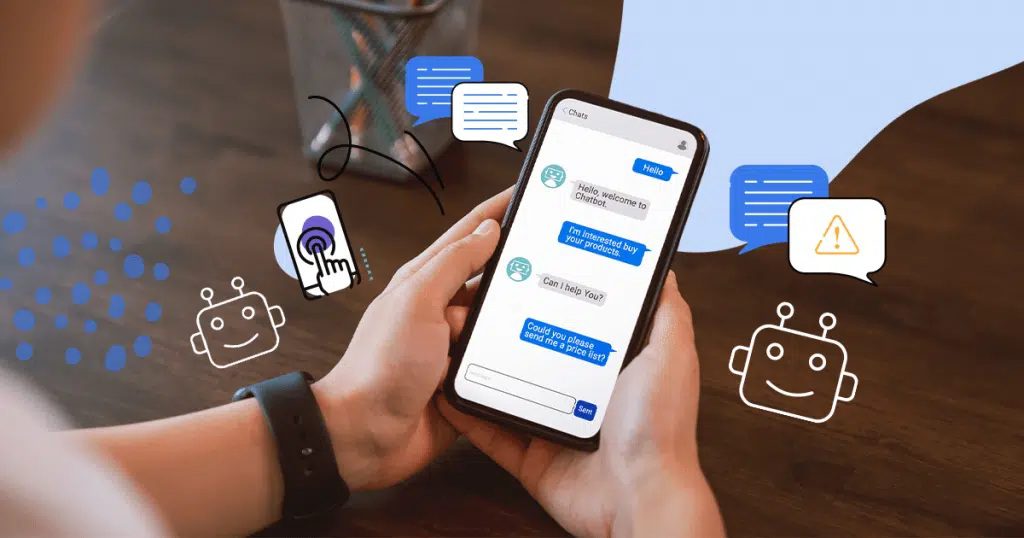
Chatbots come in different types, each designed for specific tasks and varying levels of complexity. Understanding these types helps businesses choose the right one for their needs.
Rule-based chatbots follow a set of predefined rules. They are great for answering common questions or helping with simple tasks. For example, an online shopping chatbot might guide users by letting them pick options like size or color. AI chatbots are more advanced. They use NLP and ML to answer a wide range of questions. These chatbots can recommend products or troubleshoot problems.
Hybrid chatbots mix rule-based and AI features. They handle simple tasks with rules but switch to AI for complex interactions. A banking chatbot might give account balances using rules but use AI for loan applications. Voice-activated chatbots use speech recognition. Virtual assistants like Amazon Alexa or Google Assistant are popular examples.
Social media chatbots work on platforms like Facebook Messenger or WhatsApp. They help with customer support, marketing, and even shopping. Transactional chatbots focus on tasks like booking appointments or processing payments. Contextual chatbots remember past interactions. They provide personalized experiences in customer service or e-commerce.
Practical Examples of Chatbots for Enterprises
Chatbots are being used in many industries to improve efficiency and customer experience. In online shopping, chatbots make the experience more personal. For instance, H&M’s chatbot suggests outfits based on style preferences. This helps shoppers find products faster and increases sales.
Customer service chatbots like Bank of America’s Erica assist with banking tasks. Erica checks balances, pays bills, and offers financial advice. This allows human agents to focus on complex issues. Healthcare chatbots like Babylon Health help users assess symptoms. They provide quick advice and reduce unnecessary doctor visits.
In travel, chatbots simplify trip management. KLM’s chatbot on Facebook Messenger helps with booking flights and checking in. Education chatbots like Duolingo’s simulate real conversations for language learning. They adapt to skill levels and give feedback.
Conclusion
Chatbots have evolved from basic systems into advanced AI tools. They offer 24/7 customer service, personalized experiences, and efficient business processes. Understanding the different types of chatbots helps businesses meet their needs.
Using chatbots improves customer engagement, cuts costs, and drives growth. In the future, chatbots will be a necessity for staying competitive. Want to reinforce your business with AI? Progressive Robot offers expert chatbot and AI software development services. Get in touch today to find out how we can help you with your needs. Contact us now!