

People are becoming more eco-conscious, and businesses are following suit. Industries are adopting sustainable practices, including renewable energy, to meet the demand for greener solutions. At the forefront of this shift is the electric vehicle (EV) market, where Smart Energy Management plays a crucial role in ensuring efficiency and cost savings.
EV sales have soared due to better battery range, more models, and lower prices. By the end of this year, one in five new cars sold will be electric, with global EV revenue expected to reach $786.2 billion. However, as businesses transition to EVs, they must implement Smart Energy Management systems to optimize power usage and avoid inefficiencies.
Why EVs Are Getting So Popular and What Challenges They Face
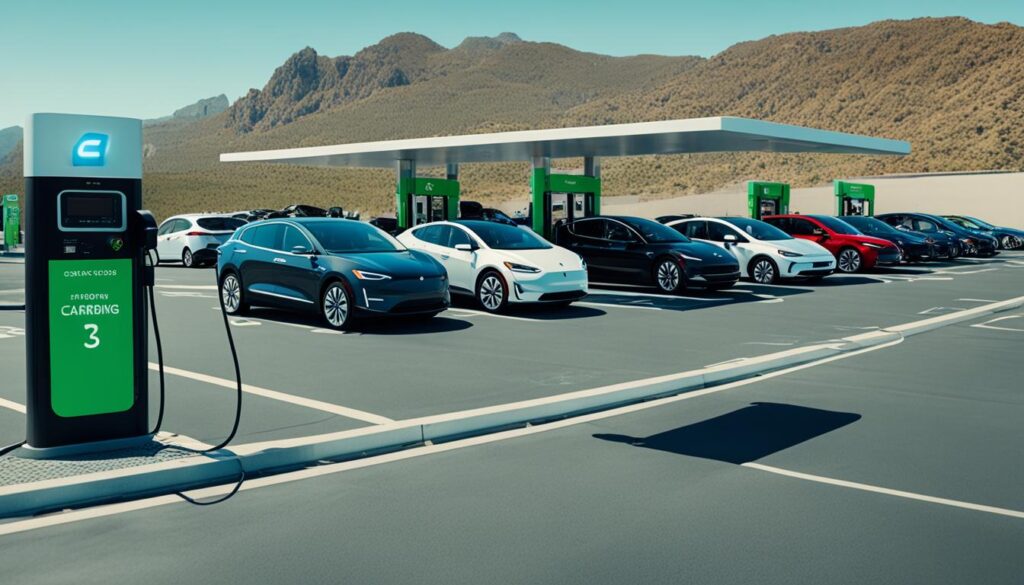
Electric vehicles are gaining popularity for several reasons. Lower operating costs make them a smart long-term investment. Though upfront costs are higher, electricity is cheaper than gasoline. Tax incentives further reduce expenses, making EVs more attractive.
Environmental benefits also drive EV adoption. They produce zero tailpipe emissions, helping companies meet sustainability goals. Eco-friendly buyers prefer businesses that support green initiatives. However, challenges remain that slow down widespread adoption.
A major issue is the lack of charging stations. Businesses need reliable charging access to operate EV fleets smoothly. Without enough stations, logistics become difficult. Range anxiety is another concern, as drivers fear running out of battery during long trips.
Battery degradation adds to these worries. On average, EV batteries lose 2.3% of their capacity yearly. After 15 years, they retain only 70% of their original charge. Poor energy management can also lead to unexpected costs, reducing potential savings.
What Is Smart Energy Management in Electric Vehicles?

Smart Energy Management (SEM) uses advanced technology to optimize energy use. It helps businesses monitor and control power consumption efficiently. An EV energy management system includes several key components.
The Internet of Things (IoT) plays a crucial role. IoT devices collect real-time data on energy usage. This helps businesses identify inefficiencies and reduce waste. Another vital part is Artificial Intelligence (AI) and Machine Learning (ML).
AI analyzes data to predict energy demand and optimize usage. It adjusts power distribution and reduces grid strain. Smart Energy Management ensures businesses use energy wisely while cutting costs.
What Smart Energy Management Systems Can Do for EVs

Smart Energy Management systems offer multiple benefits for EV fleets. They provide real-time monitoring of energy consumption. Businesses can track charging patterns and detect anomalies instantly. If a vehicle uses excess energy, the system alerts the team immediately.
Load balancing is another advantage. SEMS distribute energy during peak hours to prevent grid overload. They prioritize charging for vehicles that need it most. This protects the grid and ensures efficient energy use.
Predictive maintenance is a key feature. SEMS analyze vehicle performance to forecast repairs. This prevents breakdowns and reduces maintenance costs. Businesses can schedule fixes before major issues arise.
Cost optimization is also possible. Energy prices fluctuate throughout the day. SEMS activate charging during off-peak hours when rates are lowest. This reduces expenses significantly.
Vehicle-to-grid (V2G) technology enhances grid interaction. EVs can supply power back to the grid during high demand. This earns businesses extra revenue while supporting energy stability.
Key Considerations When Implementing Smart Energy Management

Before adopting Smart Energy Management, businesses must evaluate their charging infrastructure. Existing stations may need upgrades to support smart features. New installations might be necessary for seamless integration.
Employee training is equally important. Staff must understand how to use the system effectively. Proper training ensures maximum efficiency and cost savings.
Data security cannot be overlooked. SEMS collect sensitive energy usage data. Strong security measures protect this information and build customer trust.
For smooth operations, professional support may be needed. Progressive Robot offers expertise in custom software development and system integration. They help businesses optimize Smart Energy Management for their unique needs.
Conclusion
Smart Energy Management is essential for businesses adopting EVs. It optimizes energy use, reduces costs, and supports sustainability. With real-time monitoring, load balancing, and predictive maintenance, SEMS ensure efficient operations.
Implementing these systems requires careful planning. Upgrading infrastructure, training staff, and ensuring security are critical steps. For expert assistance, Progressive Robot provides tailored solutions. Embrace Smart Energy Management to future-proof your business and stay ahead in the EV revolution.