

The digital universe continues expanding at an astonishing rate. By 2025, global data creation will triple to 180 zettabytes according to Statista. This explosion makes business intelligence tools essential for organizations to transform overwhelming data into actionable insights.
Modern companies need powerful solutions to analyze complex information, identify trends, and support strategic decisions. The right business intelligence tools help organizations stay competitive in data-driven markets. We’ve evaluated the top seven platforms that will dominate corporate analytics in 2025.
Why Business Intelligence Tools Matter Now More Than Ever

Raw data alone provides little value without proper analysis. Business intelligence tools solve this challenge by processing information from multiple sources into visual dashboards and reports. They help companies track performance metrics, optimize operations, and predict future trends.
These platforms eliminate guesswork from decision making. Managers gain real-time visibility across departments while executives access strategic insights. As data volumes grow exponentially, investing in the right business intelligence tools becomes critical for sustainable growth.
Key Selection Criteria for Business Intelligence Platforms

Choosing the best business intelligence tools requires careful evaluation. First, consider user experience – intuitive interfaces reduce training time and improve adoption rates. The platform should offer drag-and-drop functionality for non-technical users.
Data visualization capabilities represent another critical factor. Look for tools that transform complex datasets into clear charts, graphs, and interactive dashboards. Integration flexibility matters too – the solution should connect seamlessly with existing systems.
Scalability ensures the platform grows with your business. Finally, evaluate pricing models to find options that align with your budget while delivering necessary features. These considerations help identify the ideal business intelligence tools for your organization.
Microsoft Power BI: The Market Leader
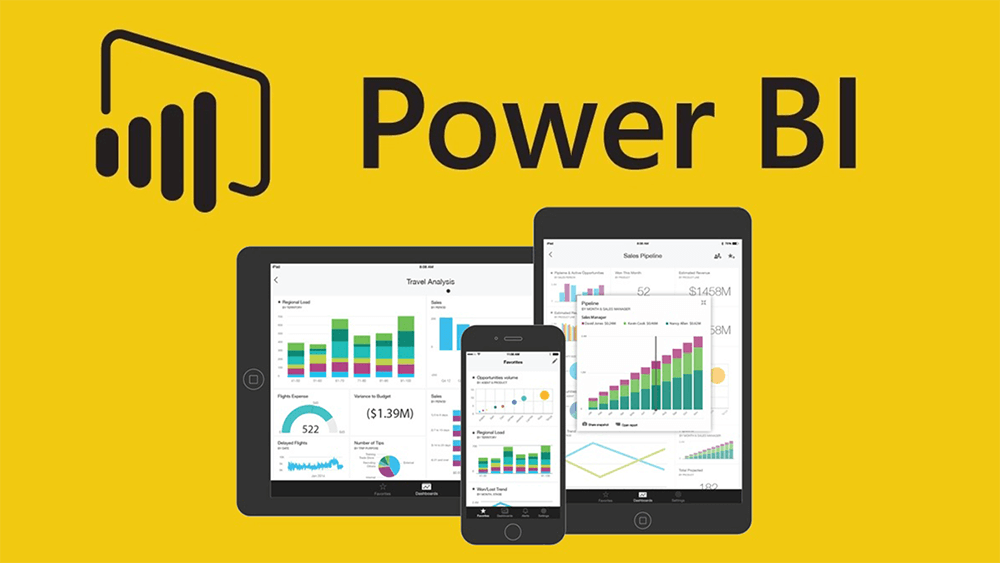
Microsoft Power BI consistently ranks among the top business intelligence tools for good reason. Its deep integration with Microsoft products like Excel and Azure simplifies data consolidation. The platform offers powerful AI capabilities that uncover hidden patterns in complex datasets.
Power BI shines with its interactive dashboards that facilitate collaborative decision making. Users can create and share reports across departments effortlessly. The tool provides various pricing tiers, making it accessible for businesses of all sizes. Its cloud-based architecture ensures accessibility from any device.
Tableau: Visualization Powerhouse

Tableau excels at transforming raw numbers into stunning visual stories. This business intelligence tool makes data exploration effortless through its intuitive drag-and-drop interface. It connects to numerous data sources, from simple spreadsheets to enterprise databases.
The platform offers exceptional mapping capabilities and advanced chart types for comprehensive analysis. Tableau Public provides free basic functionality, while paid versions deliver more sophisticated features. Its strong mobile support enables decision makers to access insights anywhere.
Qlik Sense: AI-Driven Analytics

Qlik Sense stands out among business intelligence tools for its associative analytics engine. The platform automatically detects relationships across disparate datasets. Users benefit from smart visualizations that highlight key trends and anomalies.
The tool offers deployment flexibility with cloud, on-premise, and hybrid options. Its self-service capabilities empower business users to conduct deep analysis without IT assistance. Qlik’s unique pricing model adapts to organizational needs, providing cost-effective scalability.
Looker (Google Cloud): Cloud-Native Solution
Now part of Google Cloud, Looker delivers powerful business intelligence tools for modern enterprises. Its special strength lies in data modeling and embedded analytics capabilities. The platform integrates seamlessly with Google’s ecosystem and other cloud services.
Looker provides real-time insights that teams can incorporate directly into business applications. Its scalable pricing grows with your organization while maintaining predictable costs. The tool excels at handling complex relational data structures common in enterprise environments.
Domo: Mobile-First Business Intelligence
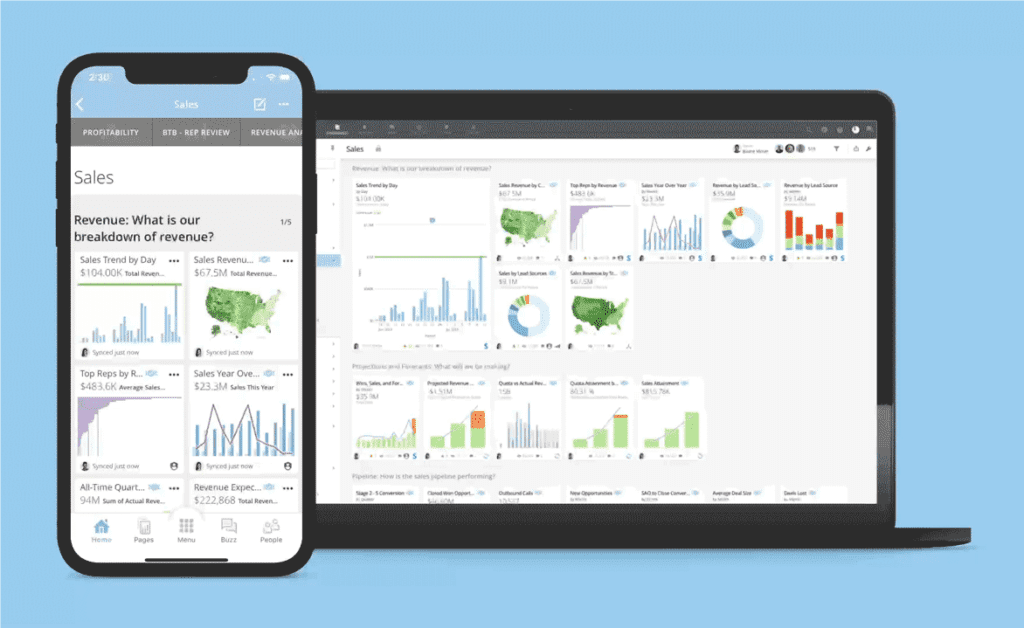
Domo redefines business intelligence tools with its mobile-optimized approach. The cloud-based platform consolidates data from hundreds of sources into unified dashboards. Its real-time processing ensures decision makers always access the latest information.
The solution shines for distributed teams needing access from any location. Domo’s app ecosystem extends functionality for specific business needs. Flexible pricing allows companies to pay only for required features, making it cost-effective for growing organizations.
Sisense: Embedded Analytics Specialist
Sisense distinguishes itself among business intelligence tools with its embedded analytics capabilities. The platform integrates seamlessly into existing applications and workflows. Its AI engine helps uncover subtle patterns in massive datasets.
The tool handles complex data preparation tasks automatically, saving valuable time. Sisense offers scalable pricing that adapts to business requirements. Its unique strength lies in delivering analytics directly within operational systems employees already use daily.
SAP BusinessObjects: Enterprise-Grade Platform

SAP BusinessObjects represents the gold standard among business intelligence tools for large enterprises. The platform delivers robust reporting and analysis capabilities at scale. It integrates tightly with other SAP solutions for comprehensive data management.
The tool excels at processing complex enterprise data structures. While pricing reflects its enterprise positioning, the platform delivers unmatched functionality for global organizations. SAP’s extensive ecosystem provides industry-specific solutions for various vertical markets.
Choosing the Right Business Intelligence Solution
Selecting among these business intelligence tools depends on your specific needs. Microsoft users naturally gravitate toward Power BI, while Google Cloud customers prefer Looker. Tableau suits visualization-focused organizations, and Qlik Sense benefits those needing AI-driven insights.
Domo serves mobile workforces best, while Sisense excels at embedded analytics. SAP BusinessObjects meets enterprise-scale requirements. For unique needs, Progressive Robot develops custom business intelligence tools tailored to specific business processes and data challenges.
The right platform transforms data into competitive advantage. Evaluate your requirements carefully to select business intelligence tools that will drive success through 2025 and beyond. Progressive Robot stands ready to help implement the ideal solution for your organization’s analytics journey.