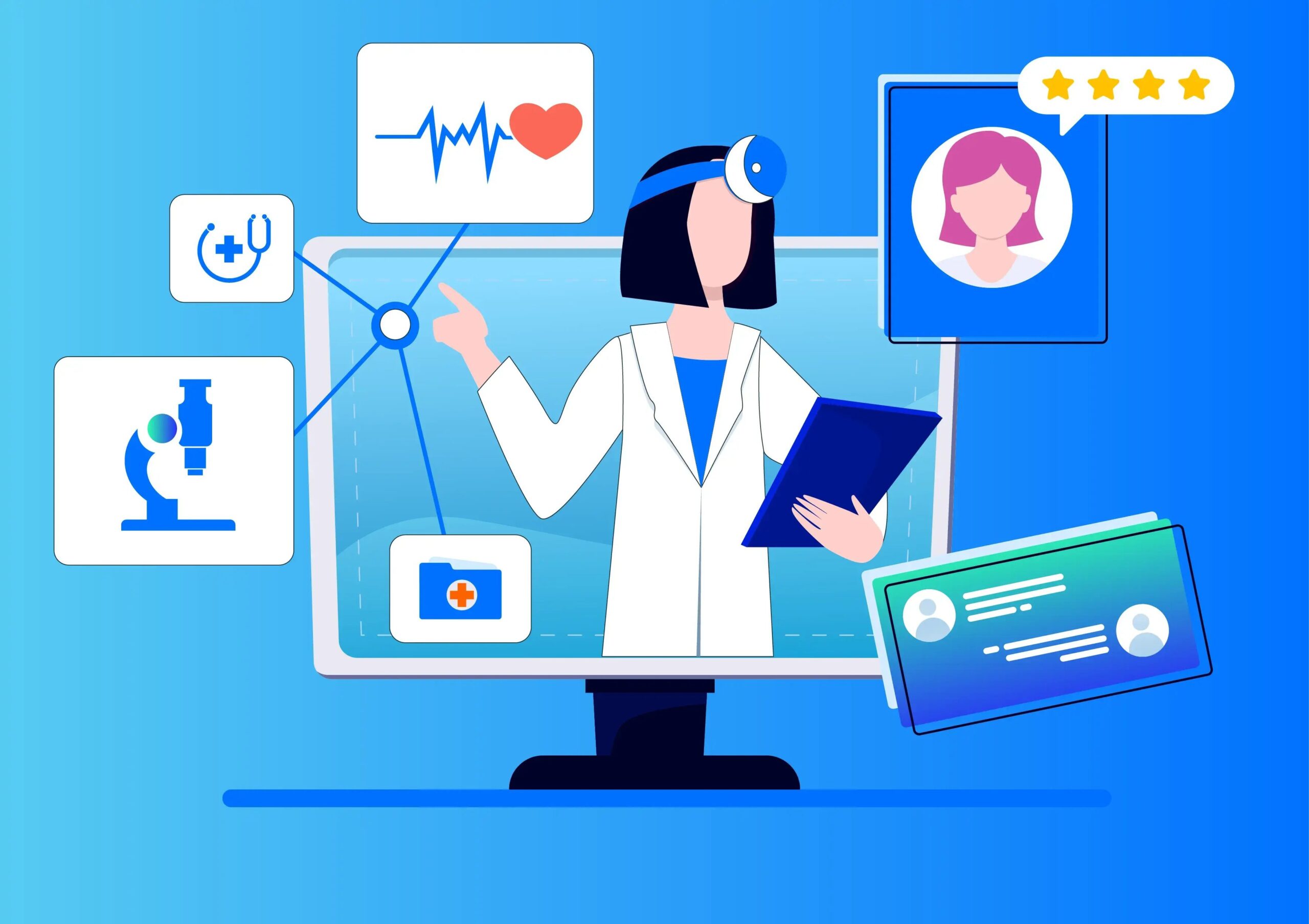
Healthcare systems worldwide face growing challenges in managing patient care efficiently. A healthcare CRM provides the technological solution to streamline operations and improve service delivery. These specialized systems help medical institutions handle increasing workloads while maintaining quality care.
The global digital health market continues expanding rapidly. Yet many facilities struggle with staff shortages and outdated systems. Implementing the right healthcare CRM can transform how organizations manage patient relationships and data.
This guide explores everything you need to know about healthcare CRM solutions. We’ll examine essential features, significant benefits, and top platform options. You’ll also learn why custom development often proves most effective.
Understanding Healthcare CRM Systems
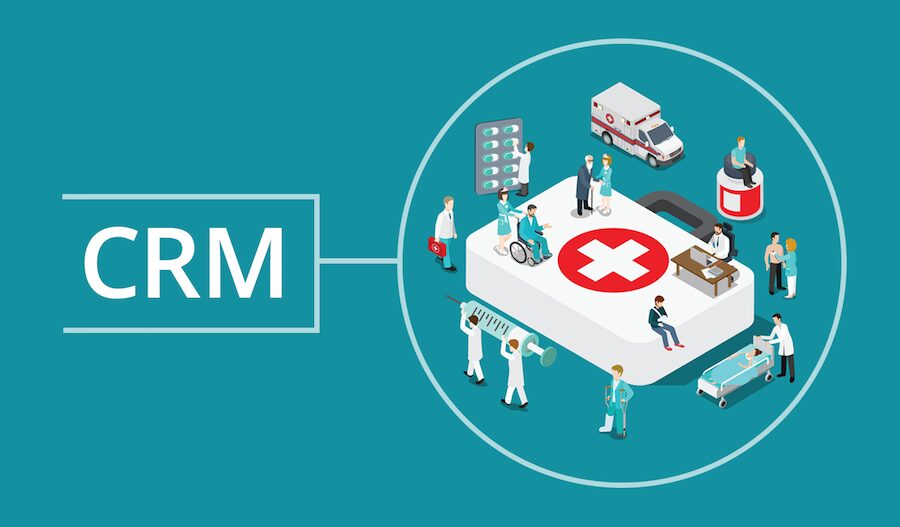
A healthcare CRM is specialized software for managing patient relationships and data. Unlike generic CRMs, these systems address unique medical industry requirements. They integrate seamlessly with other healthcare technologies like EHR systems.
These platforms centralize all patient interactions and records. Medical staff can access complete histories instantly. The best healthcare CRM solutions maintain strict compliance with medical data regulations.
Healthcare CRMs automate routine administrative tasks efficiently. This allows staff to focus on patient care rather than paperwork. The systems also improve communication between providers and patients significantly.
Key Benefits of Healthcare CRM
Implementing a healthcare CRM delivers measurable improvements across organizations. Patient satisfaction increases through personalized communication and reminders. Staff productivity grows as manual tasks become automated.
Operational efficiency improves dramatically with these systems. Appointment scheduling and resource allocation become streamlined processes. The software prevents overbooking and optimizes equipment usage effectively.
Data analytics provide valuable insights for decision-making. Administrators can track performance metrics in real-time. These insights help improve both patient outcomes and business operations.
Regulatory compliance becomes simpler with proper healthcare CRM implementation. The systems automatically maintain required documentation standards. This reduces legal risks and protects sensitive patient information.
Essential Healthcare CRM Features

Patient data management forms the core of any healthcare CRM. The system must organize medical histories securely and accessibly. Quick retrieval of records enables better, faster treatment decisions.
Appointment management tools are equally critical. Automated scheduling and reminders reduce no-shows significantly. Patients receive timely notifications through their preferred channels.
Communication features must support multiple contact methods. Email, text, and in-app messaging keep patients engaged. Secure portals allow safe exchange of sensitive information.
Medical history tracking ensures continuity of care. Providers see complete treatment timelines instantly. This supports accurate diagnosis and personalized care plans.
Security and Compliance Requirements

Data protection is non-negotiable in healthcare CRM systems. Robust encryption must safeguard all patient information. Access controls ensure only authorized personnel view sensitive data.
The software must comply with regional regulations automatically. HIPAA compliance is essential for US-based operations. GDPR standards apply to European patient data protection.
Audit trails track all access and modifications to records. These logs support compliance reporting requirements. They also help identify potential security issues quickly.
Analytics capabilities transform raw data into actionable insights. Custom reports reveal operational strengths and weaknesses. Performance tracking supports continuous improvement.
Leading Healthcare CRM Platforms
Salesforce Health Cloud leads in patient engagement features. Its comprehensive tools manage the entire care journey. The platform integrates well with existing healthcare systems.
Microsoft Dynamics 365 suits organizations using Microsoft products. Its healthcare-specific modules automate workflows effectively. The system scales well for growing practices.
SugarCRM offers affordable solutions for smaller practices. Its user-friendly interface requires minimal training. The platform includes essential patient management tools.
Zoho CRM provides cost-effective options for budget-conscious facilities. Despite lower costs, it delivers core healthcare CRM functionality. The system works well for medium-sized practices.
Pega Healthcare CRM stands out with AI capabilities. Its smart automation reduces administrative burdens significantly. Real-time communication tools improve patient responsiveness.
Advantages of Custom CRM Development

Custom healthcare CRM solutions address unique organizational needs perfectly. They adapt to specific workflows rather than forcing compromises. Tailored features support exact operational requirements.
Scalability becomes effortless with custom-built systems. Facilities can add modules as needs evolve. The software grows seamlessly with the organization.
Integration with existing systems works more smoothly. Custom development ensures compatibility with current EHR and accounting software. Data flows securely between platforms.
Enhanced security measures protect sensitive information better. Custom systems implement organization-specific protocols. This reduces vulnerability to data breaches significantly.
Progressive Robot specializes in custom healthcare CRM development. Their team builds solutions matching exact operational requirements. They handle everything from design to implementation.
Making the Right CRM Choice
Evaluate organizational needs thoroughly before selecting a solution. Consider current pain points and growth objectives. The right healthcare CRM should address both immediate and future needs.
Compare total costs of off-the-shelf versus custom solutions. While pre-built platforms seem cheaper initially, custom systems often deliver better long-term value.
Prioritize user experience for both staff and patients. Complex systems reduce adoption rates and effectiveness. Intuitive interfaces ensure maximum utilization.
Consider Progressive Robot for tailored healthcare CRM solutions. Our expertise helps organizations implement ideal systems efficiently. Contact us today to discuss your specific requirements.