

If you work in software development, you have likely heard of CRUD. This concept is not complex or niche. In fact, we interact with CRUD applications every day.
A CRUD application lets users perform basic data operations. These include creating new records, reading existing data, updating information, and deleting entries. But how do you build one? This guide will walk you through the process step by step.
Understanding how to develop a CRUD application is essential for any developer. It forms the foundation for more advanced features. Whether you are a beginner or an expert, mastering CRUD operations will improve your coding skills.
What Are CRUD Operations?
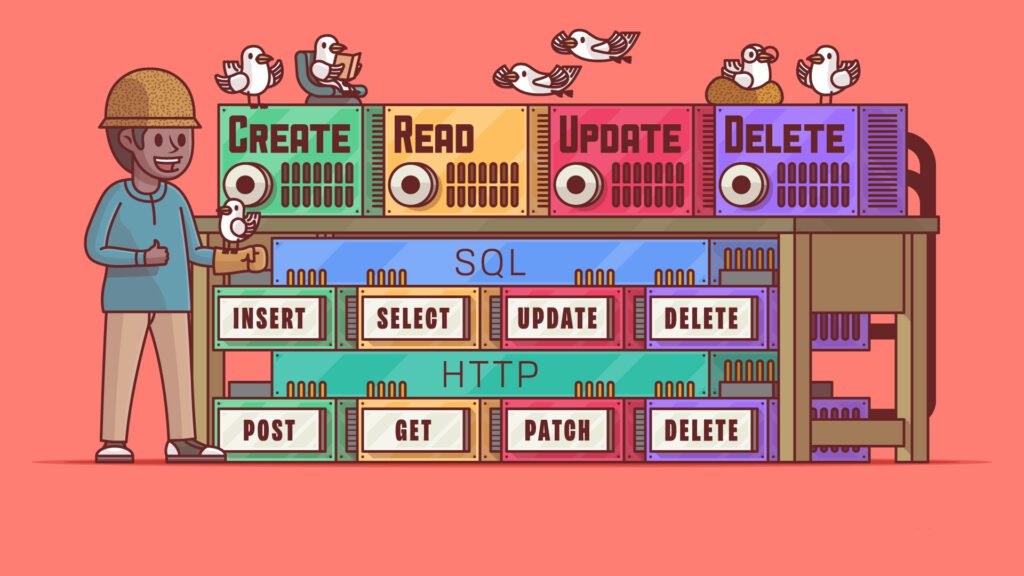
CRUD stands for Create, Read, Update, and Delete. These four operations are the backbone of most applications. They allow users to interact with data efficiently.
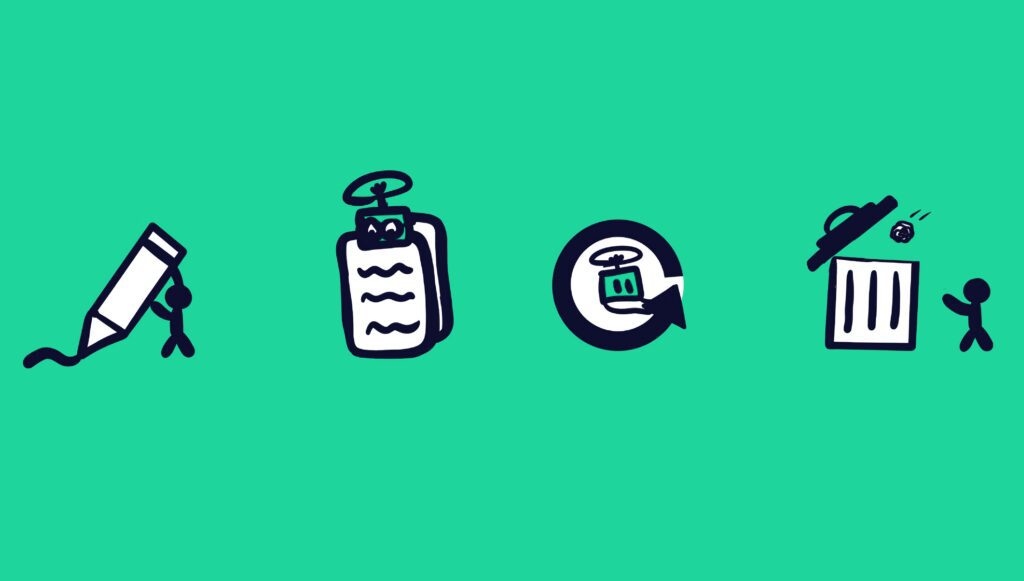
Create lets users add new records. For example, signing up a new user or listing a product in a store. Read allows users to view existing data, such as checking a profile or browsing products.
Update enables users to modify records. This could mean editing a user’s details or changing a product’s price. Delete removes data from the system, like erasing an old account or a discontinued item. A well-built CRUD application handles all these tasks smoothly.
Why CRUD Matters in Software Development
CRUD operations are fundamental in software development. They help manage data in databases effectively. Whether you are building a large business tool or a simple website, CRUD is essential.
A good CRUD application ensures data integrity and usability. It also serves as a base for more complex features. For instance, you can add validation, user permissions, or API integrations later.
Learning CRUD early in your development journey is crucial. It simplifies understanding databases and backend logic. Plus, most frameworks and tools support CRUD operations out of the box.
Common Examples of CRUD Applications
CRUD applications are everywhere. They power many of the tools we use daily. A library system is a classic example. Users can add books, view the catalog, update book details, and remove outdated entries.
Task management apps also rely on CRUD operations. You can create tasks, check their status, edit deadlines, and delete completed items. Another example is a CRM system, which manages customer data efficiently.
Blog platforms are another great illustration. Writers post articles, readers view them, editors make changes, and admins delete outdated content. These examples show how versatile a CRUD application can be.
Creative CRUD Application Ideas

If you want to build your own CRUD application, start with a simple idea. A personal finance tracker is a useful project. Users can log expenses, view spending trends, update transactions, and delete errors.
A recipe manager is another fun idea. Cooks can save recipes, browse their collection, tweak ingredients, and remove dishes they no longer make. Fitness enthusiasts might prefer a workout tracker to log exercises and monitor progress.
Event planning apps also benefit from CRUD operations. Users can schedule events, check details, update guest lists, and cancel plans. These ideas prove that a CRUD application can fit any interest or need.
Choosing the Right Tools for Your CRUD Application
Picking the right technology is key to building a good CRUD application. Frontend frameworks like React, Vue.js, and Angular help design user-friendly interfaces. They make it easy to display and manage data.
For the backend, Node.js with Express is a popular choice. Django and Ruby on Rails are also great for quick development. These tools provide built-in features to handle CRUD operations efficiently.
Databases store your application’s data. MongoDB works well for flexible data structures. PostgreSQL and MySQL are reliable for complex queries. Your choice depends on your project’s needs.
Step-by-Step Guide to Building a CRUD Application
Now, let’s build a simple CRUD application. First, set up your development environment. Install the necessary tools and libraries for your chosen stack.
Next, design your data model. Define how your records will look and how they relate to each other. Then, create routes for each CRUD operation—Create, Read, Update, and Delete.
Test your application thoroughly. Ensure each operation works as expected. Debug any issues before deploying. If you need help, Progressive Robot offers expert development services to guide you.
Helpful Resources for Building CRUD Applications
Learning never stops in software development. FreeCodeCamp offers excellent tutorials on building CRUD applications with different technologies. It’s a great place to start.
Stack Overflow is another valuable resource. You can find solutions to almost any coding problem there. YouTube channels like Traversy Media provide step-by-step video guides.
For developers using ASP.NET, Progressive Robot’s CRUD UI Generator can save time. It automates screen creation for data management. These resources make building a CRUD application easier and faster.
Final Thoughts
Building a CRUD application is a fundamental skill for developers. It teaches you how to manage data effectively. With practice, you can create powerful tools for any industry.
Start with a simple project and gradually add complexity. Use the right frameworks and databases for your needs. If you get stuck, seek help from experts like Progressive Robot.
Now that you understand CRUD operations, it’s time to start coding. Build your first CRUD application today and unlock endless possibilities in software development.