
Modern businesses generate massive amounts of data daily. Managing this data is challenging, especially for companies just starting their journey. Without clear direction, it’s hard to choose the right strategies or improve operations. This is where Business Analysis Services become essential.
Business Analysis Services help companies understand their needs, identify problems, and find the best solutions. They bridge the gap between business goals and technical execution, ensuring software projects deliver real value. Without proper analysis, businesses risk wasting time, money, and effort on ineffective solutions.
In this article, we explore what business analysis is, why it matters, and when companies should use it. We also discuss key phases of business analysis and how Business Analysis Services can drive success.
What Is Business Analysis?
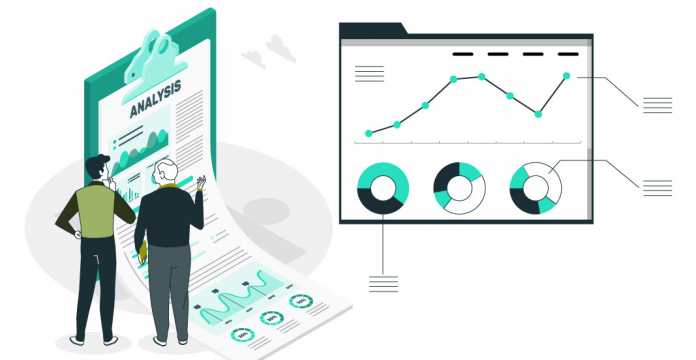
Business analysis is a structured approach to improving business performance. It focuses on identifying weaknesses and finding ways to fix them. Analysts gather data, study workflows, and recommend changes that align with company goals.
A key part of Business Analysis Services is communication. Business analysts work with stakeholders like managers, developers, and clients to ensure everyone understands project requirements. They translate business needs into technical specifications, preventing misunderstandings that could derail a project.
Ultimately, business analysis helps companies make smarter decisions. Whether launching new software or optimizing workflows, it ensures resources are used effectively.
Why Business Analysis Matters for Software Projects

Business Analysis Services play a crucial role in software development. They keep projects on track by clarifying goals, reducing risks, and optimizing resources. Without proper analysis, companies may build software that doesn’t meet real needs.
One major benefit is improved communication. Analysts ensure developers understand business requirements, preventing costly mistakes. They also prioritize features based on importance, helping teams focus on what truly matters.
Additionally, business analysis minimizes risks. By identifying potential issues early, companies can avoid delays and budget overruns. This makes Business Analysis Services a smart investment for any software project.
Key Phases of Business Analysis
Business Analysis Services follow a structured process to deliver the best results. Each phase helps uncover problems and design effective solutions. Here are the main steps involved:
Project Discovery to Set Business Goals
The first step is understanding the company’s objectives. Analysts meet with stakeholders to discuss challenges and expectations. They use interviews, workshops, and market research to gather insights. This phase ensures the project aligns with business needs.
Requirements Management to Organize Data
Next, analysts organize collected information into clear requirements. They prioritize tasks and document features the software must include. User stories—short descriptions of functionality from the user’s perspective—help keep development focused.
Software Requirement Audit to Spot Gaps
Before development begins, analysts review requirements for missing or conflicting details. This step ensures nothing is overlooked, reducing the risk of last-minute changes.
Enterprise Business Process Analysis
Analysts study current workflows to find inefficiencies. They suggest improvements to save time and reduce costs. This step is crucial for optimizing operations before implementing new software.
Market Fit Scanning
Finally, analysts research the target market. They study competitors, user behavior, and trends to ensure the product meets real demand. This reduces the risk of launching a product that doesn’t sell.
When to Use Business Analysis Consulting Services
Business Analysis Services are useful in many situations. Here are four common scenarios where they add value:
New Software Integration
Starting a new project? Business analysis defines scope, gathers requirements, and ensures everyone agrees on objectives. This prevents misalignment and wasted effort.
Software Upgrades
Updating existing systems? Analysts identify outdated features and recommend improvements. This ensures upgrades meet current business needs.
Workflow Optimization
If processes are slow or inefficient, business analysis finds bottlenecks. Analysts suggest changes to boost productivity and cut costs.
Change Management
Major changes, like new software or restructuring, can disrupt operations. Business Analysis Services help plan smooth transitions, minimizing downtime.
Tools Used in Business Analysis
Analysts use specialized tools to streamline their work. For requirement tracking, tools like JIRA and Trello help organize tasks. Data visualization tools like Microsoft Visio and Lucidchart map out processes.
For data analysis, Excel, Tableau, and Power BI are common. Communication tools like Slack and Microsoft Teams keep teams connected. These tools ensure Business Analysis Services are efficient and effective.
Conclusion
Business Analysis Services help businesses make informed decisions, reduce risks, and optimize resources. Whether launching new software or improving workflows, analysis ensures success.
Progressive Robot offers expert Business Analysis Services to guide your projects. Our team helps companies define goals, streamline processes, and implement effective solutions. Contact us today to get started on your next project!
By investing in Business Analysis Services, businesses gain clarity, efficiency, and confidence in their decisions. Don’t leave success to chance—let analysis drive your growth.