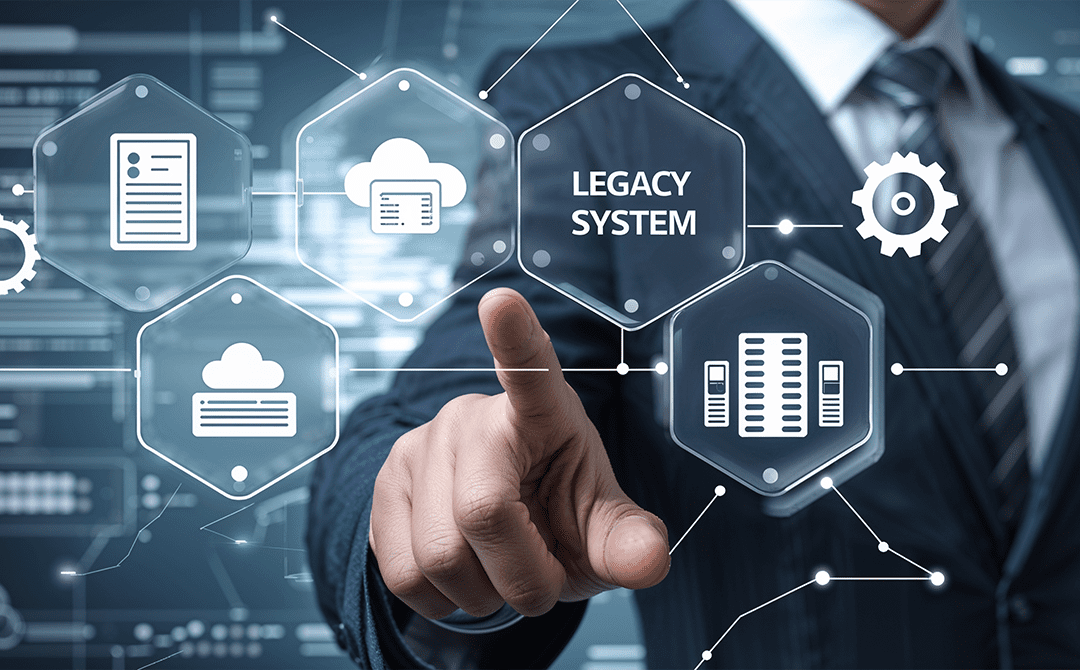
AI Modernization Toolkit initiatives are rapidly reshaping how organizations move from outdated legacy systems to modern, scalable, cloud-ready architectural solutions. As businesses grow more digitally dependent, the pressure to modernize critical systems increases dramatically. Many organizations across industries still rely on technologies built decades ago.
While these systems often remain stable and deeply embedded in workflows, maintaining them, extending their capabilities or integrating them with modern applications has become increasingly challenging. Migrating legacy code is a major undertaking that historically required extensive time, large development teams and substantial financial investment. The risks include operational downtime, regression defects, architectural misalignment and unexpected integration failures.
In recent years, however, specialized AI-driven modernization solutions have emerged to transform this process. Instead of relying on years of manual rewriting, integration and testing, businesses can now leverage intelligent automation that analyzes legacy code, converts it into modern languages and generates production-ready components at unprecedented speeds.
Progressive Robot has developed an advanced AI Modernization Toolkit that significantly accelerates digital transformation, enhances engineering capacity and reduces complexity across modernization projects. The following article explains how this toolkit was created, how it supports modernization initiatives and where it delivers the most impact.
What Is Progressive Robot’s AI Modernization Toolkit?
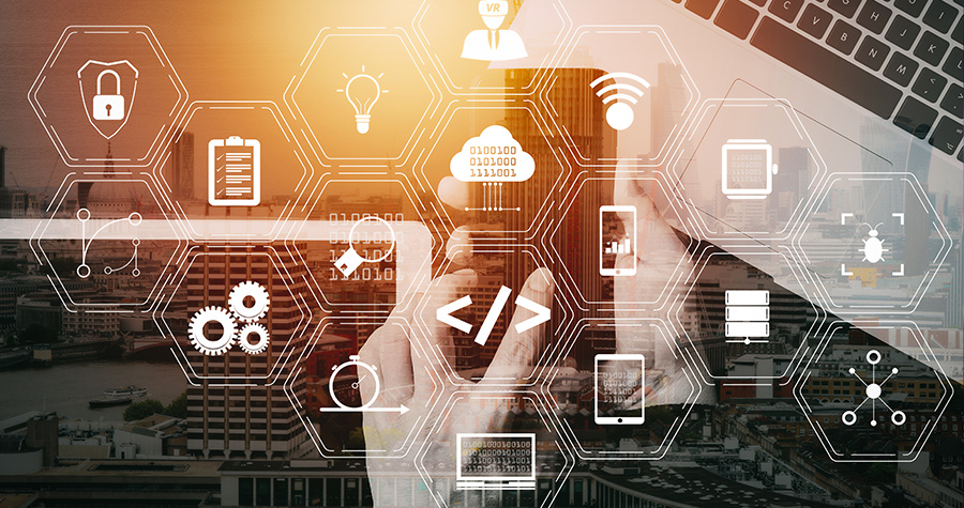
Progressive Robot’s AI Modernization Toolkit is a customizable and secure suite of multi-agent AI technologies designed to streamline modernization projects, strengthen engineering productivity and deliver high-quality software faster. The toolkit is managed and implemented by experienced specialists who calibrate every component to meet project-specific requirements.
Designed for flexibility, accuracy and industrial-grade security, the AI Modernization Toolkit integrates seamlessly into backend, frontend and testing workflows and supports organizations seeking to upgrade complex systems in a fraction of the time traditionally required.
The toolkit is built around a network of cooperating AI agents capable of analyzing code, translating logic, identifying dependencies, generating automated tests, proposing modern architectural solutions and supporting UI reconstruction. Each agent fulfills a specialized role and verifies the output of other agents, creating a self-improving ecosystem that increases accuracy and ensures that all migrated components meet modern engineering standards.
Code Migration with the AI Modernization Toolkit

One of the primary capabilities of the AI Modernization Toolkit is intelligent code migration. Legacy systems written in mainframe technologies such as COBOL, JCL or CICS, as well as other outdated platforms including Oracle Forms, PowerBuilder, Delphi or Visual Basic, can be modernized into cloud-ready environments like Java with Spring Boot or .NET. Rather than manually rewriting thousands of lines of code, organizations can rely on AI agents trained on common migration patterns and business logic transformation structures.
The migration process begins by ingesting the existing legacy application. The toolkit analyzes data structures, control flows, dependencies and business logic. Each agent focuses on a specific area of expertise, ensuring that nothing is overlooked. Once the code is fully understood, the toolkit translates it into a selected modern language while generating tests and recommending modern architectural adjustments. The multi-agent validation process increases reliability by comparing interpretations from multiple AI perspectives, allowing the toolkit to detect inconsistencies and refine results through iterative reasoning.
Human oversight remains a critical aspect of this process. Progressive Robot’s specialists audit the generated code, refine outputs where needed and ensure alignment with the client’s business domain. The combined force of expert validation and multi-agent intelligence results in clean, secure, production-ready code that meets modern engineering standards and is ready for deployment.
Test Generation with the AI Modernization Toolkit
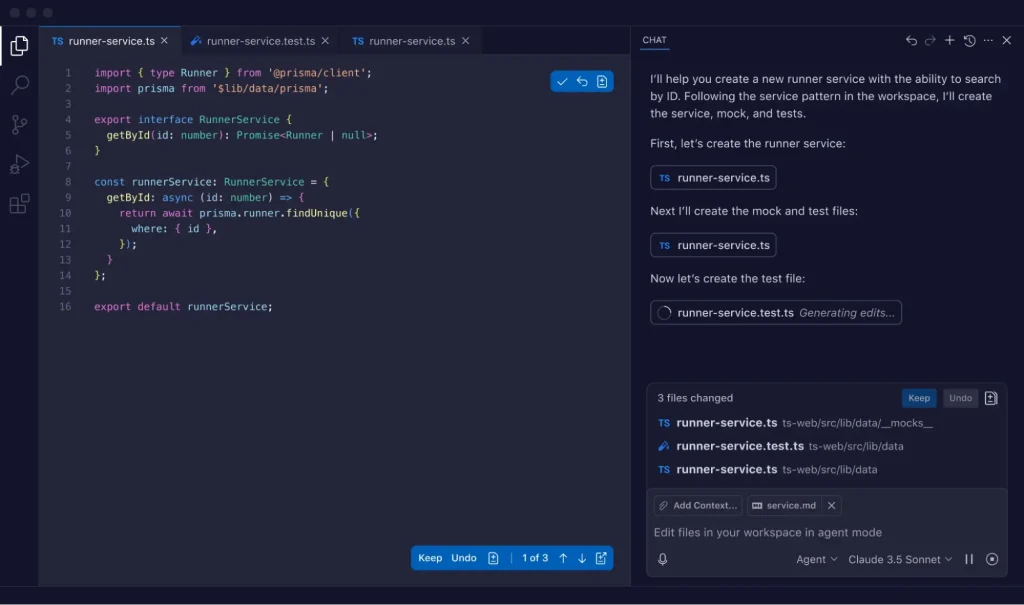
Testing is one of the most time-consuming elements of modernization. The AI Modernization Toolkit accelerates this stage dramatically by automatically generating unit, integration and end-to-end tests based on newly produced code. Whenever a developer commits changes, the system activates a team of AI agents that analyze the new code, identify sections requiring test coverage and decide on the appropriate test structure.
For unit and integration tests, the toolkit examines the codebase to determine exactly which classes require testing to meet coverage requirements. Because the AI agents understand logic flows and execution paths, they generate comprehensive test cases that reflect every possible scenario and branch within the application.
End-to-end test generation is even more efficient. The toolkit enables developers or business stakeholders to describe scenarios using natural language without any technical detail. Based on these descriptions, the system analyzes application behavior, navigates interfaces and generates automated E2E tests using established frameworks such as Playwright, Cypress or Selenium.
These tests are automatically integrated into the project and can be regenerated from the same scenario description whenever needed. Integration with CI/CD pipelines further accelerates development cycles by enabling continuous regeneration and validation of tests.
UI-to-Code Conversion
Modernization often involves updating outdated user interfaces. Through the AI Modernization Toolkit, developers can convert screenshots of any UI source, whether from web pages, Figma or even terminal screens, into clean, maintainable React or Angular code. By analyzing a screenshot, the toolkit identifies layouts, components, typography, color patterns and interface logic.
Once the visual structure is understood, the toolkit produces frontend code that mirrors the original interface at a structural level and integrates seamlessly into the project. Developers can test the new UI through a live sandbox preview, validate accuracy and refine the output with assistance from the AI agents. The system supports industry-standard design systems such as Material UI, Ant and Bootstrap, as well as custom proprietary component libraries.
This capability dramatically reduces UI redevelopment time and ensures consistent design across modernized applications.
Challenges the AI Modernization Toolkit Helps Solve
Legacy migration traditionally involved immense manual effort. Thousands of developer hours could be spent rewriting logic, untangling dependencies, verifying regressions and ensuring that modern systems behave exactly like their legacy counterparts. This process was error-prone, slow and expensive. The AI Modernization Toolkit eliminates many of these obstacles by accelerating migration timelines, reducing human-driven mistakes through multi-agent validation and allowing engineering teams to focus on innovation rather than repetitive reengineering.
Companies using the toolkit can also accelerate UI upgrades, test automation efforts and general modernization initiatives. With AI support, teams can move away from legacy systems more quickly and avoid common pitfalls such as technical debt accumulation, integration compatibility problems or limited innovation capabilities caused by outdated architectures.
How AI-Driven Modernization Benefits Companies

The AI Modernization Toolkit is designed to accommodate different business needs and deliver consistent, high-quality modernization outcomes. Its multi-agent structure dramatically outperforms general-purpose AI models because each agent is trained to solve a specific modernization task. AI-generated output is further strengthened by the involvement of Progressive Robot specialists who ensure correctness, stability and business relevance.
Because the toolkit is fully customizable, every modernization project can be tailored to specific technologies, proprietary frameworks and business logic patterns. This customization ensures compatibility with standard libraries as well as internal systems that may not be accessible to generic AI models. Security is another critical differentiator, as the toolkit operates in a controlled environment compliant with ISO standards and provides full auditability of all generated changes.
Additionally, companies gain lower workloads due to automation of labor-intensive tasks such as code creation and test generation. Significant time and cost savings arise from shortened development cycles and faster migration delivery. System quality improves through automatically generated tests, while cloud-ready architectures make applications easier to scale. The combination of improved reliability, enhanced efficiency and reduced overhead positions organizations for stronger digital growth.
How Progressive Robot Built the AI Modernization Toolkit
The foundation of the AI Modernization Toolkit stems from Progressive Robot’s long-standing experience with mainframe technologies and modern cloud architectures. Recognizing that no single neural network could reliably handle the full scope of modernization challenges, the team designed a collaborative ecosystem of specialized AI agents. Each agent is assigned a distinct role, allowing the toolkit to decompose complex tasks and reconstruct them with higher precision.
What makes this approach truly unique is its iterative improvement mechanism. Instead of translating code once, agents continually verify, refine and correct each other’s output throughout the modernization process. This multi-layer validation ensures accuracy and creates a system that becomes more effective as it processes more data.
Where the AI Modernization Toolkit Can Be Implemented
Due to its specialized capabilities and adaptable architecture, the AI Modernization Toolkit supports organizations in numerous modernization scenarios. Through intelligent code migration, businesses can transition from legacy languages such as COBOL into modern frameworks that support cloud infrastructure.
Through technology stack modernization, outdated systems can be reengineered into modern environments aligned with current engineering practices. Through UI modernization, legacy screens and outdated interfaces can be recreated in modern frontend frameworks. Through integration readiness enhancements, the toolkit helps organizations expose modern APIs that facilitate system interoperability.
Speed Up Modernization with a Dedicated AI Migrator
Digital transformation no longer needs to be slow, risky or resource-intensive. With Progressive Robot’s AI Modernization Toolkit, companies can transition from legacy technologies to modern cloud-ready architectures in a matter of months rather than years. The combined force of multi-agent AI capabilities and professional engineering oversight ensures that modernization initiatives remain efficient, predictable and strategically aligned.
As organizations adopt the AI Modernization Toolkit, they unlock greater flexibility, reduce technical debt and position their systems for ongoing innovation and competitive advantage. To learn more about the AI Modernization Toolkit or to book a demo with Progressive Robot, reach out to their team and explore how AI-driven modernization can accelerate your transformation initiatives.
FAQ
What is the AI Modernization Toolkit?
The AI Modernization Toolkit is a proprietary multi-agent system developed by Progressive Robot to accelerate modernization across backend, frontend and testing environments.
How can companies benefit from the AI Modernization Toolkit?
Companies benefit through reduced workloads, accelerated migration timelines, cost savings, higher scalability and improved code quality supported by automated testing.
Where can companies apply the AI Modernization Toolkit?
Organizations can apply the toolkit in code migration, technology stack modernization, UI modernization and integration readiness.
What challenges does AI-driven code modernization help solve?
AI-driven code modernization streamlines the entire migration process by reducing costs, lowering risk, speeding up transitions and enabling modernization of legacy systems with greater accuracy.