React

How to Set Up a Next.js 15 Application on Ubuntu 26.04 — step-by-step Linux tutorial on Progressive Robot

How to Set Up a Next.js 15 Application on Ubuntu 26.04

Next.js 15 is a React framework that provides server-side rendering, static site generation, API routes, and the App Router. It is widely used for production React applications. This guide sets up and deploys a Next.js 15 application on Ubuntu 26.04 LTS with Node.js 22 and Nginx. Tested and valid on: Ubuntu 26.04 LTS Prerequisites Ubuntu […]


Read more
How to Use Python Virtual Environments on Ubuntu 24.04 — step-by-step Linux tutorial on Progressive Robot

How to Set Up a Next.js 14 Application on Ubuntu 24.04

Next.js 14 introduces Partial Prerendering, improved Server Actions, and a stable Turbopack bundler. This guide creates and deploys a Next.js 14 application on Ubuntu 24.04 LTS with PM2 and Nginx. Tested and valid on: Ubuntu 24.04 LTS Prerequisites Ubuntu 24.04 LTS server Node.js 20 LTS installed PM2 installed Nginx installed Step 1 – Create a […]

Read more
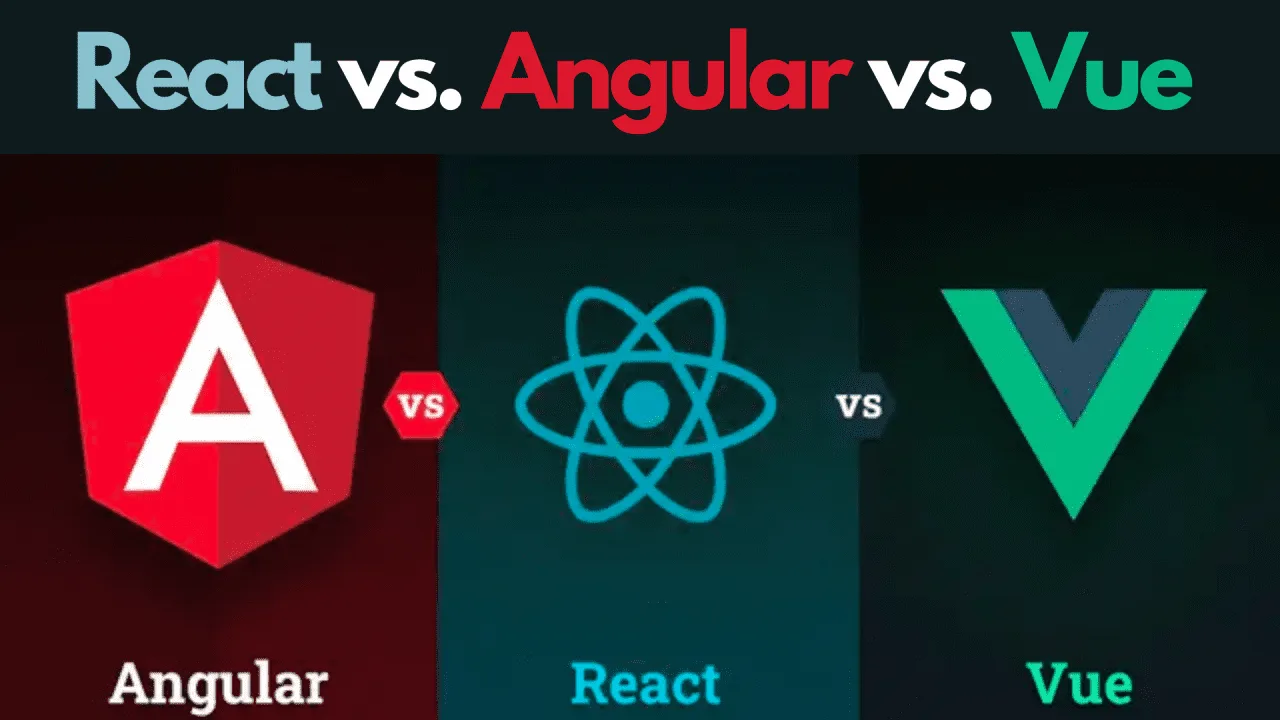
Comparing React, Angular, and Vue Which is the Best JavaScript Framework

Comparing React, Angular, and Vue: Which is the Best JavaScript Framework?

In the realm of modern web development, the choice of a JavaScript framework can significantly impact the success and efficiency of a project. React, Angular, and Vue stand out as three of the most popular and powerful front-end frameworks available today. Each framework brings its unique features, architecture, and community support to the table, making the decision-making process for developers complex. In this article, we will delve into a comprehensive comparison of React, Angular, and Vue, exploring their core features, performance attributes, developer experience, real-world applications, future trends, and ultimately aiding you in selecting the best JavaScript framework for your next project.

Read more
How To Create Multistep Forms With React and Semantic UI — step-by-step Javascript tutorial on Progressive Robot

How To Create Multistep Forms With React and Semantic UI

React makes it simple to create complex forms for acquiring user data by breaking down the sections into individual React components that collect certain inputs. You can then choose which components are rendered at each step by manipulating state. In this tutorial you will see how to do this, as well as sharing functionality across components using an example of a registration form.

Read more
How To Avoid Performance Pitfalls in React with memo, useMemo, and useCallback — step-by-step Javascript tutorial on Progressive Robot

How To Avoid Performance Pitfalls in React with memo, useMemo, and useCallback

In React applications, performance problems often originate from component re-rendering. Because of this, learning how to prevent unneeded re-renders can help to optimize the performance of your React app. In this tutorial, you’ll look at how different actions can trigger re-renders and how you can use Hooks and memoization to minimize expensive data calculations. By the end of this tutorial, you’ll be familiar with many performance enhancing Hooks, such as the useMemo and useCallback Hook.

Read more
How To Create Wrapper Components in React with Props — step-by-step Javascript tutorial on Progressive Robot

How To Create Wrapper Components in React with Props

In this tutorial, you’ll create wrapper components with props using the React JavaScript library. Wrapper components are components that provide a default structure to display the child components. This pattern is useful for creating user interface (UI) elements that are used repeatedly throughout a design, like modals, template pages, and information tiles. You’ll use the rest and spread operators to collect unused props to pass down to nested components.

Read more
CHAT