Cloud Architecture

multi-cloud - multi cloud vs single cloud cost risk a blank signpost two arrow boards

Multi-Cloud vs Single Cloud: Proven Guide to Avoid Cost Risk

Multi-cloud is usually chosen for resilience and rarely costed properly. This guide compares multi-cloud and single cloud honestly: what the two models actually mean, where the real cost difference sits and how large it tends to be, the three places multi-cloud genuinely saves money, a risk ledger showing what each model protects you from, whether the uptime argument survives arithmetic, a five-question scoring framework, how to make a single cloud position safe without a second platform, and a worked three-year cost model for a mid-sized UK platform.


Read more
kubernetes vs serverless vs virtual machines a blank signpost three arrow boards

Kubernetes vs Serverless vs Virtual Machines: Essential Guide to Avoid Waste

Kubernetes vs serverless vs virtual machines is the infrastructure argument that eats the most meeting time and produces the least clarity. All three models will run your application, so the decision is really about the size of your team, the shape of your traffic and the software you already own. This guide compares the three on the things that actually move the answer: what each model is and who owns what, how the bill is genuinely built, the operational hours nobody budgets for, the crossover point where serverless stops being cheaper, realistic migration paths, and a weighted scoring framework you can complete with your own numbers.

Read more
cloud exit strategy a blank signpost two arms

Cloud Exit Strategy: Proven Guide to Avoid Lock-In Risk

Almost every organisation agrees a cloud exit strategy is sensible and almost none holds a tested one. This guide sets out where lock-in genuinely comes from, what the four realistic exit routes cost in money and elapsed time, how egress charges and the new switching rules actually work, which architecture decisions keep the door open cheaply, what exit rights belong in the contract, and how to rehearse the plan so it becomes a capability rather than a filing-cabinet artefact. The point is rarely to leave. It is to be credibly able to leave.

Read more
azure landing zone implementation checklist a cube on round landing pad

Azure Landing Zone Checklist: Proven Steps to Avoid Risk

An Azure landing zone is the set of decisions you make once and live with for a decade: the tenant, the management group hierarchy, the identity model, the network topology, the policy baseline and the way workloads get their own subscriptions. Get them roughly right and every project afterwards is faster. Get them wrong and you pay for it in a remediation programme two years later. This checklist walks the implementation in order, explains which decisions are expensive to reverse, compares the deployment paths, and sets out what the build realistically costs in money, effort and elapsed time.

Read more
Kubernetes Dominance

Kubernetes Dominance: Revolutionizing Container Orchestration for Scalable Microservices in Cluster Environments

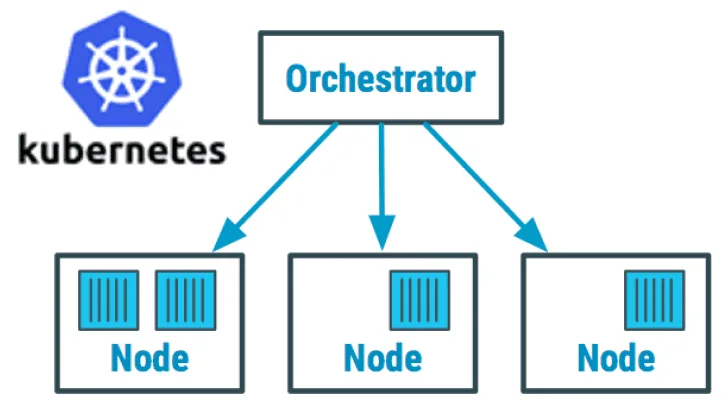
In the rapidly evolving landscape of cloud computing, Kubernetes has emerged as the undisputed champion in container orchestration. With its robust capabilities, Kubernetes plays a pivotal role in managing and scaling microservices-based applications within clusters. This article delves into the reasons behind Kubernetes’ dominance and its transformative impact on modern application deployment, highlighting its role in orchestrating containerized workloads seamlessly.

Read more
CHAT